Introduction
When money is tight or unpredictable, the urge to delay budgeting can be strong. Yet the path to real financial resilience is clearer than it seems: a simple, realistic budget that you can actually stick to. This four-week plan helps you move from patching gaps to creating a sustainable emergency budget you can maintain even when life gets busy.
A key truth in money research is sobering: a large share of households would struggle to cover a $400 emergency with cash. For many, that gap isn’t a one-off problem—it's a recurring hurdle that undermines long-term goals. The plan below is designed to turn that trend around by focusing on practical steps, small wins, and sustainable habits you can keep up week after week.
Week-by-Week Plan
Week 1: Establish your baseline
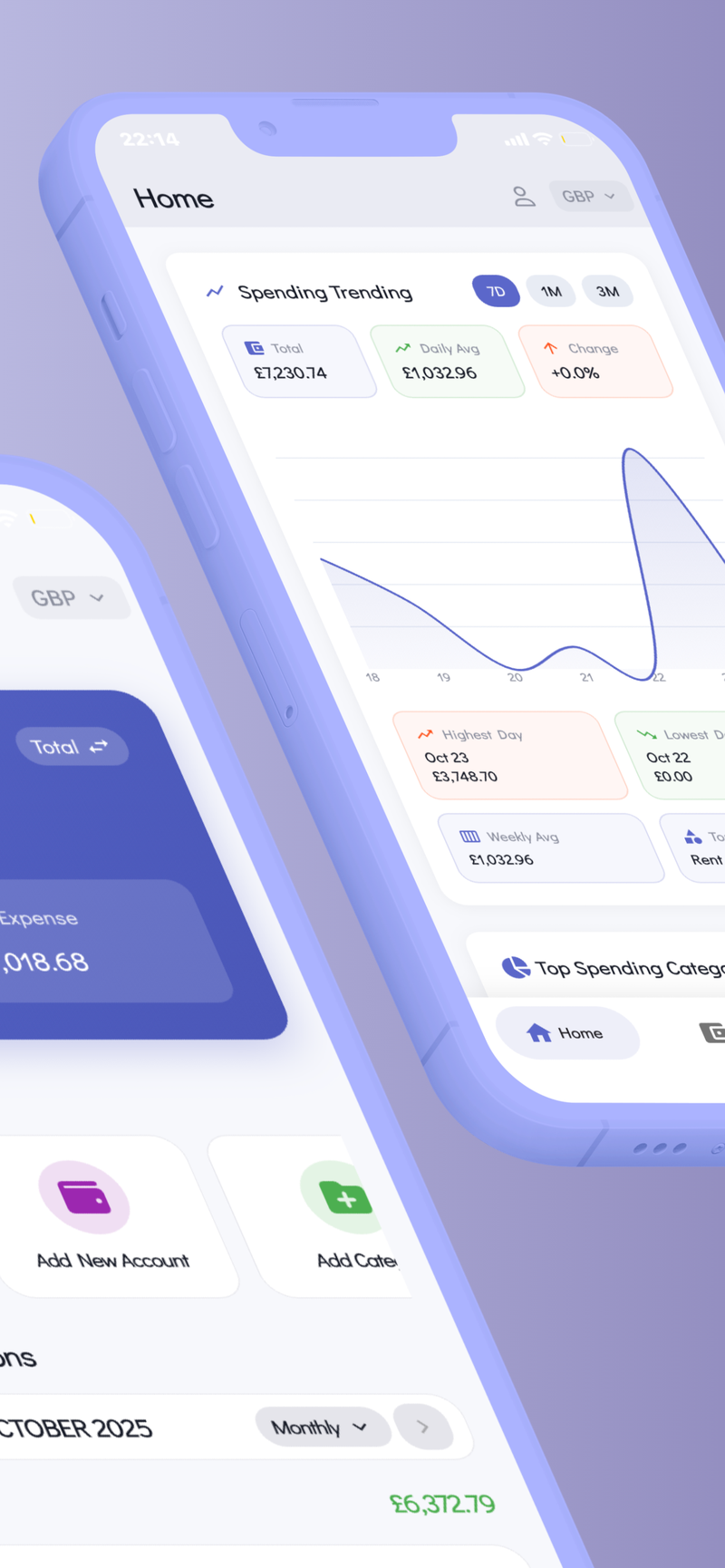
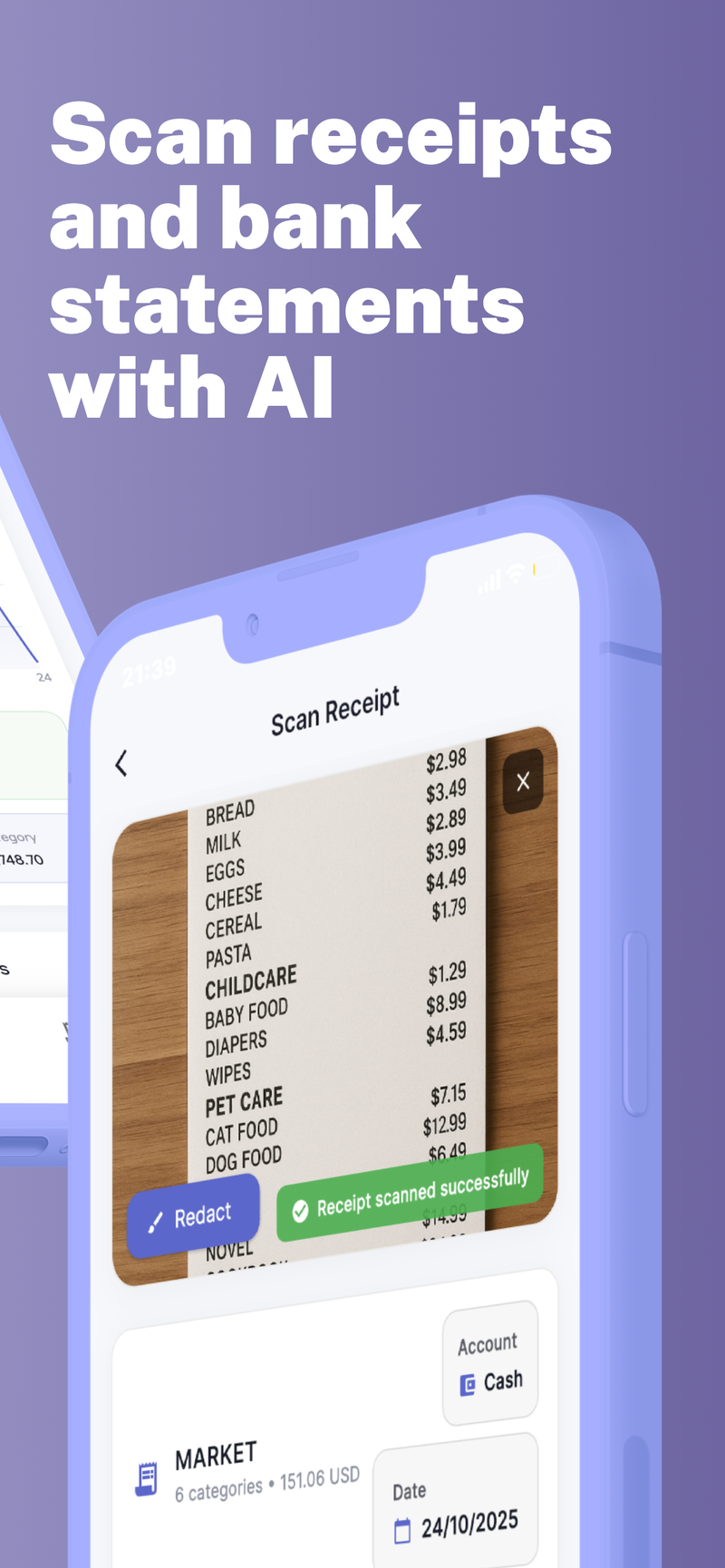
Gather 6–8 weeks of spending data (bank statements, receipts, bills). If that feels heavy, start with the last 30 days. The goal is to see where every dollar goes.Categorize expenses into three buckets:Essentials: housing, utilities, groceries, transportation, healthcare.Wants: dining out, streaming services, nonessential shopping.Savings/debt: emergency fund, debt payments, retirement.Calculate your net income after taxes and other unavoidable deductions. Use this to estimate a realistic monthly budget range.Set a tiny emergency-fund target to begin with (for example, $200–$500) as a stepping stone toward a larger goal. If you already have a cushion, skip to the next step.Quick data point: about 40% of adults would struggle to cover a $400 emergency with cash, according to a Federal Reserve survey. Your goal this week is to shift toward a spend-and-save pattern that reduces that risk.Week 2: Trim and reallocate
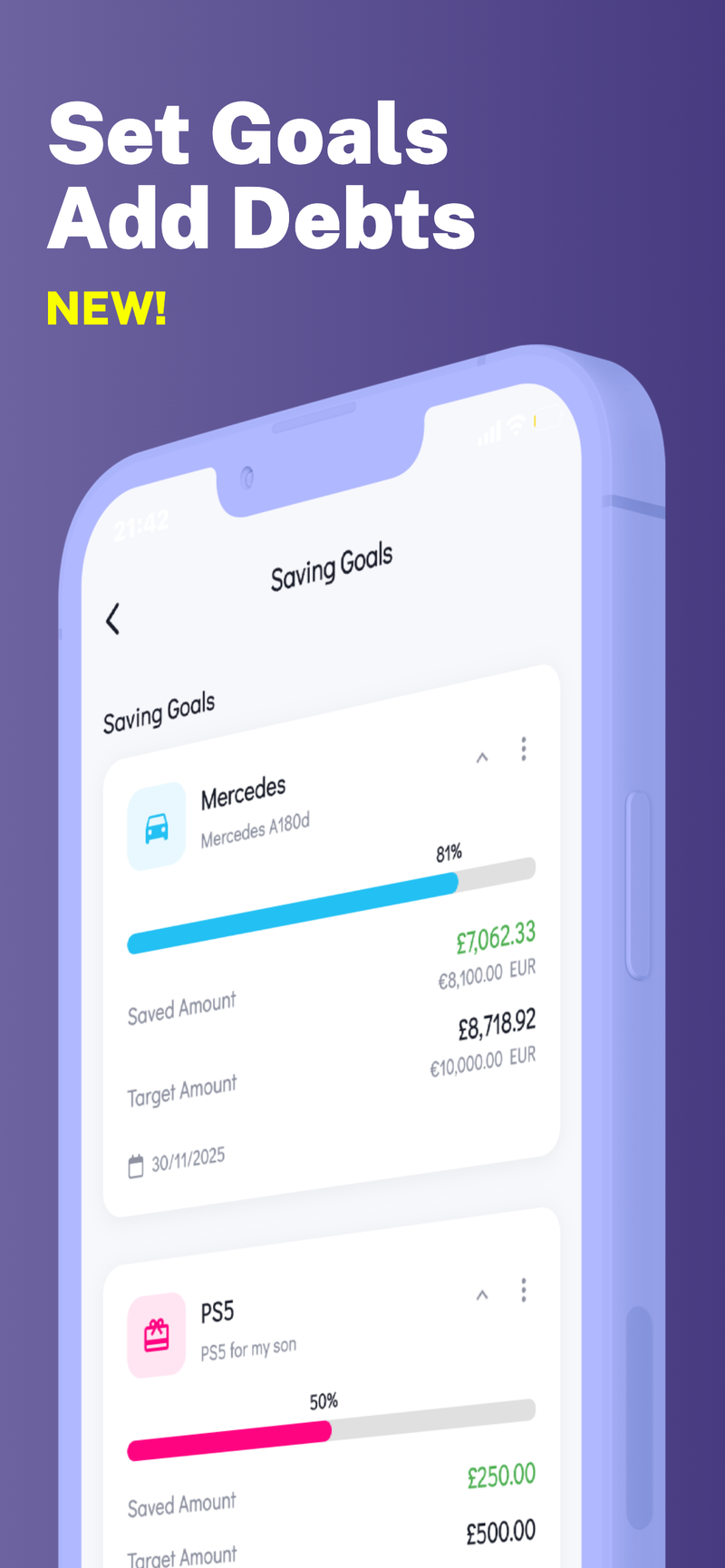
Identify nonessential spends you can safely reduce this month. Start with the easy wins: subscriptions you don’t use, extra shopping trips, impulse buys.Create a zero-based budget for the month: give every dollar a job—expenses, savings, or debt payment—so nothing is left unplanned.Set a concrete target for the emergency fund. For example: add $100 each week or allocate 10–20% of any extra income toward the fund.Implement practical rules that reduce friction: no-spend days (e.g., two days per week with no discretionary purchases) or a 24-hour pause before big purchases.If you’re managing a family budget, involve other earners in the conversation to align expectations and prevent drift.Week 3: Build a sustainable framework
Choose a budgeting framework that fits your life:Zero-based budgeting: every dollar is assigned a purpose.Envelope method for discretionary spending: use cash or a separate digital envelope to limit what you can spend on non-essentials.50/30/20 as a loose guide: 50% needs, 30% wants, 20% savings/debt, adjusted to your realities.Automate where possible: schedule automatic transfers to the emergency fund right after each payday to remove the friction of manual deposits.Create a simple, actionable plan for big annual costs (car maintenance, back-to-school, insurance deductibles) so they don’t derail your monthly budget.Example: with a take-home pay of $3,000, you might allocate $1,400 to essentials, $350 to wants, and $1,250 to savings and debt—adjusted to your realities.Week 4: Maintain momentum and adapt
Track weekly progress: spend, savings, and any deviations from the plan. A quick Sunday review often pays for itself.Revisit your categories and adjust as needed. If a category is consistently over budget, either cut the nonessentials further or reallocate from a different area.Build habits that sustain the plan: batch bill payments, label receipts, and keep a running show of your emergency fund balance.Prepare for setbacks: have a plan for irregular income weeks, medical expenses, or car repairs so they don’t trigger debt or unplanned spending.Statistics show many households struggle to maintain funds; scheduling regular checks reduces drift and increases confidence in your plan.Practical tips and pitfalls to avoid
Start small if you’re overwhelmed. A tiny, consistent contribution to an emergency stash beats heroic attempts that fizzle.Use a simple template rather than a complex system. Clarity beats cleverness when you’re learning.Don’t hide from mistakes. If you overspend in a week, adjust the next week rather than abandoning the plan.Involve others who share expenses. Alignment reduces friction and helps everyone stay accountable.Remember the goal: reduce vulnerability to surprises and create breathing room for decisions that matter, like saving for a kid’s education or a family vacation.Tools and techniques that help
Spreadsheets or notebooks work fine; you don’t need fancy software to start.A consistent payday transfer makes saving automatic and predictable.A simple “category audit” at the end of each week helps catch drift early.For couples or households: set up a shared but private space (notes or a secure document) where you can track progress without blame or guilt.Mindset and common pitfalls
Expectation vs. reality: your first draft won’t be perfect. The plan improves when you act on it weekly.Perfectionism can stall progress. Prioritize consistency over perfection.External pressure (sales, promotions) will come; train yourself to pause, breathe, and evaluate before purchasing.Conclusion
A four-week plan won’t erase every financial challenge, but it creates a disciplined, repeatable process that reduces money anxiety and increases financial resilience. By tracking your baseline, trimming nonessential spending, implementing a practical budgeting framework, and maintaining momentum, you build an emergency budget you can actually stick to.
If you’re looking for a privacy-first tool to support this kind of plan, consider a solution that stores your data securely on your device and offers multi-profile managemen