Introduction
Quitting nicotine often feels like trading a steady mood for a rollercoaster. If you’ve tried to quit or cut back, you’ve likely hit irritability, mood swings, and fatigue that make staying on track hard. A structured, week-by-week approach can help you ride out withdrawal more calmly by building routines, boosting mood, and replacing nicotine with healthy coping strategies.
This guide outlines a practical 4-week plan focused on daily actions, practical tools, and small wins you can build on. It’s not about willpower alone—it's about shaping your environment and habits to support your mood as your body adjusts.
Main Content
Week 1: Establish a steady base
Prioritize sleep: aim for 7-9 hours, with a consistent wake time. Create a wind-down ritual (dim lights, cooldown activity) to improve sleep quality and daytime mood.Stabilize meals and blood sugar: eat balanced meals with protein, fiber, and healthy fats. Regular meals help prevent irritability caused by sudden mood dips.Hydration and caffeine timing: drink water throughout the day and limit caffeine after mid-afternoon to reduce jitters and sleep disruption.Create a simple daily routine: fixed wake time, 20-minute walk or light activity, and a planned non-tobacco activity for after meals.Map triggers and mood: keep a small log of cravings and emotions. Note where they occur (time, place, people) and plan a quick alternative (breathing, water, a snack).Try brief stress relief: when irritability spikes, pause for 2 minutes of box breathing (inhale 4, hold 4, exhale 6) to reset the nervous system.Week 2: Strengthen mood regulation
Add mindfulness or relaxation: 10 minutes of mindfulness, meditation, or progressive muscle relaxation daily to reduce reactivity to cravings.Move regularly: aim for 150 minutes of moderate activity per week (e.g., brisk walks, cycling). Exercise helps lift mood and lowers withdrawal intensity.Build social support: schedule a quick check-in with a friend or family member. Social connection reduces stress and improves accountability.Evening reflection: jot down one thing that helped today and one adjustment for tomorrow. This builds a constructive feedback loop.Week 3: Craving management and cognitive strategies
Delay and substitute: when a craving hits, wait 5 minutes and use a substitute (water, gum, a crunchy veggie). Cravings often peak and fade within minutes; the delay short-circuits automatic action.Cognitive reframing: view cravings as a signal to care for yourself (drink water, move, breathe) rather than as a threat. Reframe urges as proof you’re making a positive change.Fill idle time with purpose: plan a short activity you enjoy (a hobby, a task, a walk to a favorite place) for craving windows.Sleep and caffeine consistency: keep a steady sleep schedule and avoid late caffeine to prevent mood swings.Week 4: Sustain and plan for maintenance
Relapse prevention plan: identify high-risk situations and rehearse coping steps. Know who to contact for support and what to do instead of reaching for nicotine.Celebrate progress: track money saved, health improvements, and mood milestones. Small celebrations reinforce continued effort.Gradual changes toward maintenance: if reducing nicotine rather than quitting outright, set clear, sustainable reduction targets and monitor mood impact.Maintain routines: keep exercise, meals, sleep, and mindfulness as non-negotiables. Prepare for stressors (travel, deadlines) with a ready-to-run plan.Practical tips to support mood during withdrawal
Build a craving toolkit: water bottle, healthy snacks, gum or hard candies (if allowed), stress-relief objects, and a list of quick distraction ideas.Keep your environment supportive: remove obvious nicotine cues, stock healthy options, and structure social activities to reduce triggers.Prioritize sleep hygiene: cool, dark room; no screens 30 minutes before bed; regular bedtime routine.Nourish mood with balanced nutrition: include Omega-3 rich foods, leafy greens, and adequate protein to support brain health during withdrawal.Recognize the withdrawal timeline: mood-related withdrawal symptoms often peak in the first week and may linger for 2-4 weeks for many people. Consistency in routines and coping skills can shorten the peak period.Use purposeful activity: plan engaging tasks during peak craving times, such as a walk, a call with a friend, or a short window of work on a hobby.Conclusion
Quitting nicotine is a process, but a deliberate 4-week structure can stabilize mood, reduce cravings, and increase your chances of lasting success. By building routines, strengthening mood regulation, deploying coping strategies for cravings, and planning for maintenance, you create a resilient path forward.
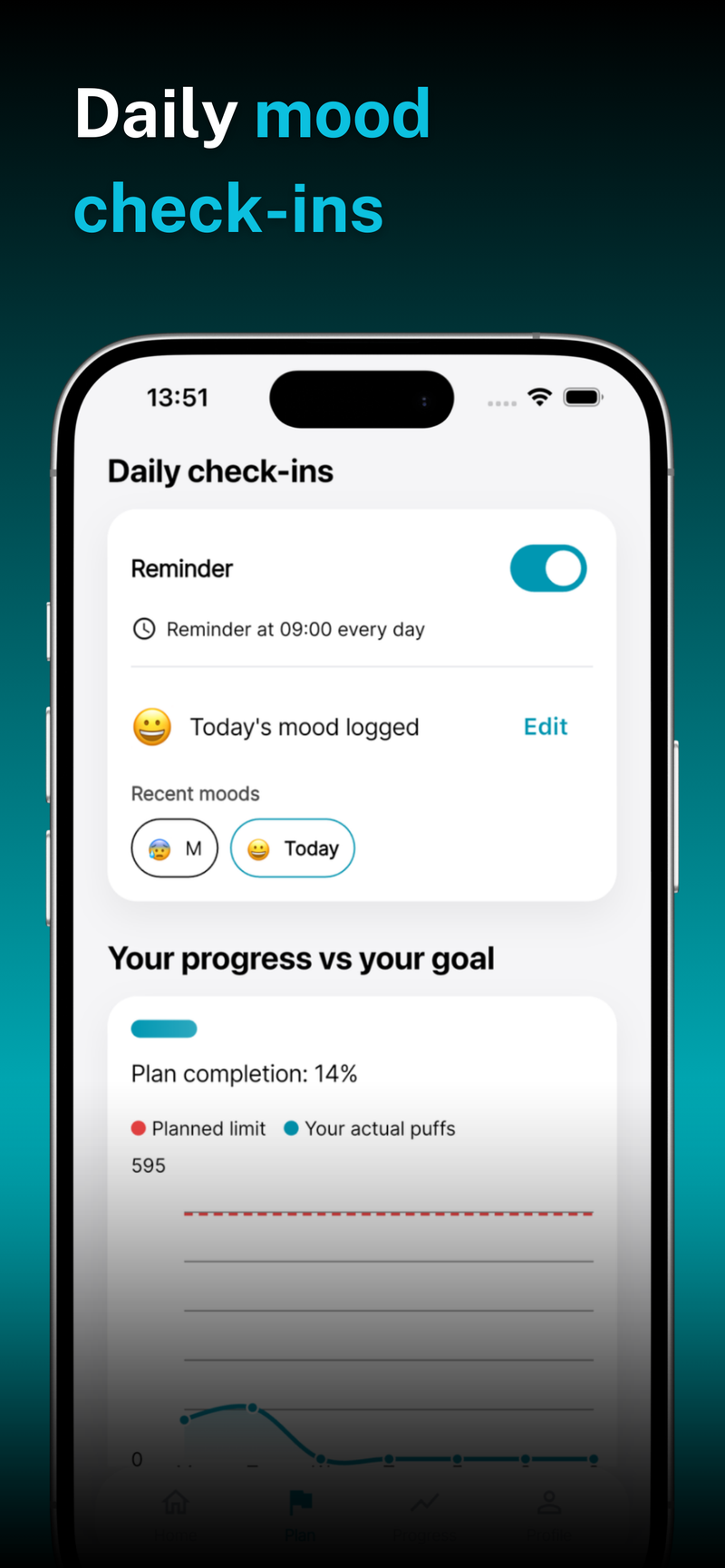
If you’re looking for additional structure and personalized onboarding to tailor this plan to your routine, Quit Smoking & Vaping can help. Its onboarding and personal setup guide you to set your product type, choose your goal, and create a realistic timeline that aligns with your lifestyle. This kind of targeted support can make the difference between a hard day and a steady, confident step forward.