Introduction
Grocery bills are a steady drain for many households. Prices rise, shopping lists grow, and it’s easy to feel like you’re always chasing the next sale just to stay even. The good news is that small, consistent changes can compound into meaningful monthly savings without turning mealtimes into a chore. Below are five practical steps you can start using this week.
Step 1: Audit your current grocery spending
What to track
Keep receipts for 2–4 weeks and categorize purchases (staples, perishables, snacks, beverages).Note how often you buy quick grab-items vs. planned meals.Flag items you consistently buy but rarely use.Set a realistic target
Review your 2–4 week audit and set a monthly savings goal (for many households, 5–15% is a reasonable starting point).Establish a quick check-in mid-month to compare actual spending against your target.Step 2: Plan meals and build a shopping list
Why meal planning helps
A plan provides structure, reduces impulse buys, and makes each trip more efficient.When you know what you’ll cook, you’re less likely to rely on expensive convenience foods.How to implement
Choose 5–7 dinners for the week and outline breakfasts/lunches around leftovers.Create a consolidated shopping list organized by store sections to avoid backtracking.Start with staple items on your list and add only what’s needed for planned meals.Tip: Meal planning can cut grocery spending by roughly 10–20% when done consistently.
Step 3: Shop smarter
Use unit pricing
Compare price per ounce, liter, or pound rather than just the package size or sticker price.Choose store brands
Store-brand products are often identical in quality to name brands at a fraction of the cost.Shop the perimeter and seasonal items
Fresh produce, dairy, and proteins are typically found on the rim of the store; center aisles often carry higher-margin items.Seasonal produce is usually cheaper and fresher; plan meals around what’s in season.Avoid impulse buys
Always shop with a list and set a limit for discretionary items, like snacks or beverages that aren’t part of a meal plan.Step 4: Reduce waste and stretch ingredients
Storage and freshness
Use the FIFO (first in, first out) rule to rotate items in your fridge and pantry.Label leftovers with dates and plan to repurpose them within 2–4 days.Leftovers as fuel
Convert yesterday’s dinner into today’s lunch, or transform ingredients into a new dish (for example, roasted veggies into a grain bowl).Freezing and preservation
Freeze portions of proteins, soups, and sauces when you’re overbuying or won’t finish them before they spoil.Smart storage habits
Keep produce dry and properly sealed; use produce bags with small holes or breathable containers to extend freshness.Step 5: Track progress and adapt
Regular check-ins
At week four, compare actual spending with your target and adjust your plan accordingly.Note which strategies produced the biggest savings and double down on them.Be flexible with your plan
If a weekly meal plan is too rigid, map a general theme (meatless Monday, taco night, etc.) and fill in with budget-friendly staples.Stay curious about new cost-saving ideas, but test one change at a time to measure impact.Build in a buffer
Allow a small contingency for unexpected price spikes or scheduling gaps, so you don’t derail your progress.Conclusion
Cutting grocery costs isn’t about stripping joy from meals; it’s about creating predictable habits that consistently save money. Start with a clear audit, plan what you’ll eat, shop with intention, minimize waste, and track your progress. Small, repeatable changes compound into real monthly savings without turning shopping into a chore.
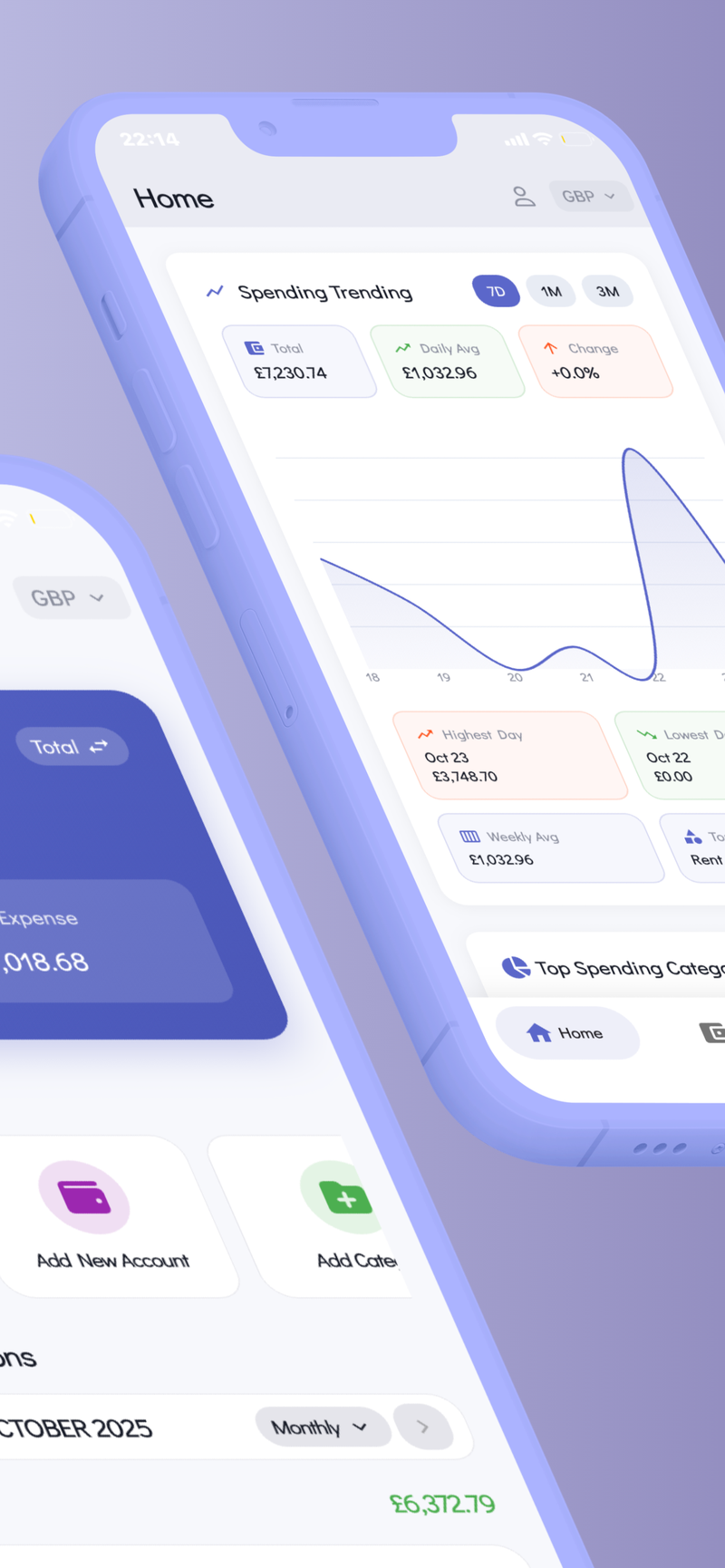
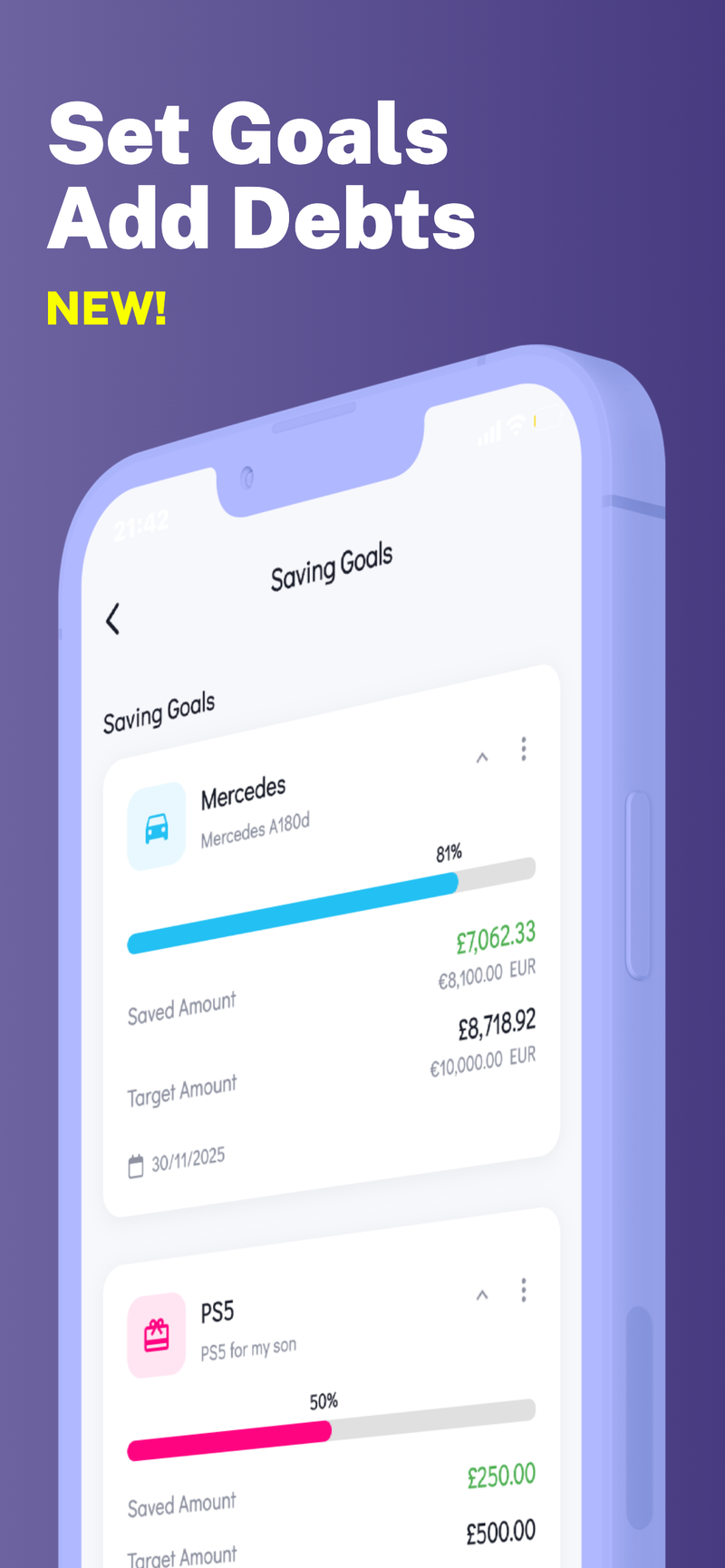
If you’re looking for a simple way to stay organized and apply these steps across different budgets—for yourself, a partner, or another household—there are tools designed to help with private, on-device budgeting. Fokus Budget offers Multi-Profile Support to help you manage multiple budgets in one place, keeping your data private while you stay on track.