
7 Practical Steps to Break Nicotine Urges for Good Today
Cravings can feel overwhelming, but seven practical steps—trigger mapping, delaying tactics, withdrawal management, habit replacement, activity planning, support, and relapse prep—can help you quit smoking or vaping. A structured, supportive approach increases your chances of lasting change.
Introduction
Cravings for nicotine often arrive in waves, catching you off guard even when you’re determined to quit. If you’re trying to stop smoking or vaping, you’re not alone—millions want to quit, but the urge can feel relentless. About 70% of smokers say they’d like to quit, yet only roughly 4-7% succeed in a year without support. Cravings are not a moral failing; they’re a biological and behavioral loop you can learn to navigate.
Here are seven practical steps you can start today. They mix awareness, small behavior changes, and repeatable actions you can apply in real life to break the nicotine habit for good.
Step 1: Understand your triggers
Triggers are the signals that cue a nicotine habit. Mapping them helps you plan a different response.
Why it matters: triggers are the entry points for cravings. By recognizing them, you can change the response rather than fighting the urge head-on.
Step 2: Delay the urge and distract yourself
Cravings fade with time, especially if you don’t fuel them immediately.
If the craving persists after five minutes, repeat once or switch to a different activity. Each minute you delay weakens the urge.
Step 3: Manage withdrawal symptoms
Withdrawal is real and varies day by day, especially in the first week.
Understanding withdrawal helps you ride it out rather than react to it impulsively.
Step 4: Replace the ritual with healthier habits
The hand-to-mouth habit is powerful. Replace the action with safer routines.
The aim is to fulfill the habit loop without nicotine, so your brain learns a new pattern.
Step 5: Build a physical activity and routine plan
Exercise helps manage cravings and improves mood during quit attempts.
Step 6: Seek support and accountability
Social support improves quit outcomes compared with going it alone.
Evidence shows that accountability and connection help sustain changes when cravings spike.
Step 7: Prepare for high risk days and relapse
Relapse can be part of the journey, not the end of it.
Key mindset: persistence over perfection. Small, repeatable steps compound into lasting change.
Conclusion
Breaking nicotine urges is a practical, patient process—identify triggers, delay, replace routines, stay active, seek support, and prepare for tough moments. With consistent strategies, cravings lose their punch and your goal becomes more attainable.
If you’d like help turning these steps into a concrete, personalized plan, look for guided onboarding that helps you set goals, timeline, and progress tracking. A structured path can make the plan feel doable and your progress measurable. Quit Smoking & Vaping can help with this through Fokus Puff – User-Facing Features, offering a personalized quit plan and progress tracking to support your journey.


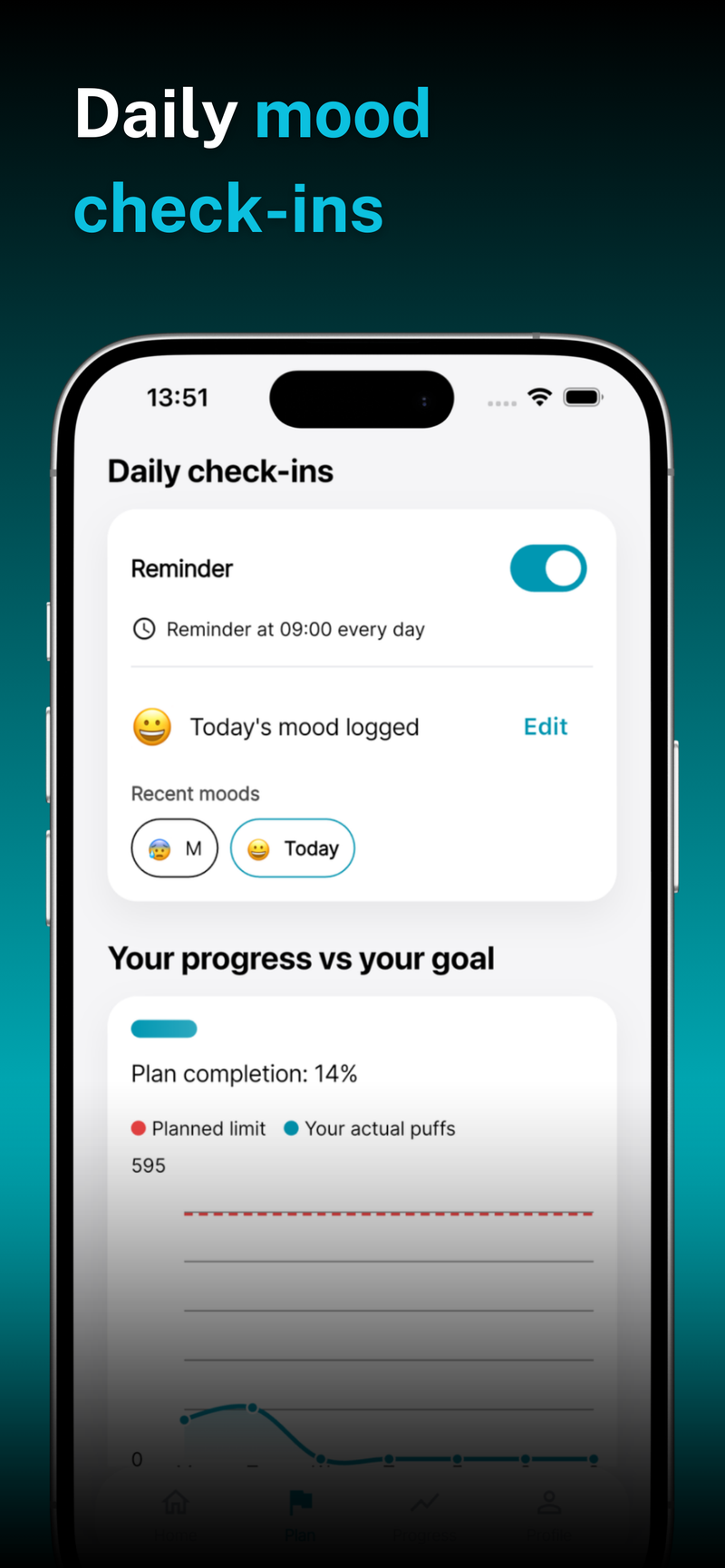

💪 Personalized quit plan and progress tracking