Fokus Budget

Fokus Budget

AI-powered expense tracking

·Budgeting

8 Practical Budget-Boosting Tips to Cut Household Spending

Rising costs don’t have to derail your finances. This guide offers eight practical, actionable tips to trim household expenses—without sacrificing quality of life. From auditing spending to smarter grocery shopping and energy tweaks, learn real steps you can take this month.

personal financebudgetingmoney-savingfamily financesfrugal living

Introduction

If you’ve ever looked at your bank statement and thought, “Where did all that money go this month?” you’re not alone. Costs for everyday essentials—groceries, energy, transportation—have a habit of creeping up just when you least expect it. The good news: you don’t need drastic sacrifices or a strict, unrealistic plan. Small, deliberate changes can add up to meaningful savings over time.

Below are eight practical, actionable tips you can start applying this week. Each tip includes concrete steps you can take right away, plus a simple way to measure progress so you stay motivated.

Main Content

1) Do a 30-day spending audit


  • Track every dollar for a full month, then categorize into buckets (housing, food, transport, health, discretionary).

  • Look for “leaks” such as small daily purchases, impulse buys, or monthly charges you rarely use.

  • Set a realistic target for each category (for example, reduce dining-out by 25% or cut nonessential subscriptions in half).

  • Create a simple tracking method that you’ll actually use, whether it’s a notebook, a spreadsheet, or a budgeting app.
  • Why it helps: Awareness is the first step to control. When you see where your money goes, you can make targeted adjustments instead of sweeping overhauls.

    2) Cancel unused or duplicate subscriptions


  • List every recurring charge you can find in a month, then decide what’s truly valuable.

  • Cancel at least one service you rarely use; freeze others for 30 days to test necessity.

  • Consolidate where possible (e.g., single streaming plan across devices, or use family sharing).

  • Set up a quarterly review reminder to reassess permissions and renewals.
  • Why it helps: Subscriptions quietly accumulate. A focused purge can save $10–$50 per month or more, depending on your lineup.

    3) Meal planning and grocery discipline


  • Plan weekly meals around what’s already in your pantry and fridge.

  • Create a precise shopping list from the plan; stick to it strictly.

  • Buy items on sale, and compare unit prices (price per ounce/gram, price per item).

  • Batch-cook and reuse leftovers to minimize waste.
  • Why it helps: A well-planned week reduces impulse buys and wasted food, oftentimes cutting grocery bills by 10–30%.

    4) Use price literacy at the store


  • Compare unit prices instead of relying on package size or brand charm.

  • Favor store brands or generic options for core staples.

  • Visit discount or bulk sections for non-perishables, but only buy what you’ll actually use.

  • Don’t shop hungry; it dramatically lowers impulse purchases.
  • Why it helps: Small shifts in shopping habits compound into noticeable monthly savings.

    5) Boost home energy efficiency


  • Swap to LED bulbs and unplug idle electronics.

  • Weather-strip doors and windows; set your thermostat a few degrees lower in winter and higher in summer.

  • Schedule an annual energy check if your utility offers one; seal leaks and insulate where practical.

  • Consider programmable or smart thermostats to optimize heating and cooling.
  • Why it helps: Energy is a steady drain on monthly spending. Even modest efficiency gains can reduce bills by a meaningful margin over the year.

    6) Rethink transportation costs


  • Keep your car well-maintained to maximize fuel efficiency (tires inflated to spec, regular oil changes).

  • Plan trips to combine errands and reduce total miles.

  • Explore alternatives: public transit, car-sharing, biking, or walking for shorter trips.

  • If you must drive, adopt fuel-efficient driving habits (gentle acceleration, steady speeds, mindful braking).
  • Why it helps: Transportation is one of the largest discretionary expenses for many households. Small changes can translate into real savings at the pump and on maintenance.

    7) DIY home maintenance and repairs


  • Tackle small fixes yourself with trusted how-to resources.

  • When something breaks, compare the cost of DIY parts against professional repair quotes.

  • Do minor upgrades with a cost-benefit view (e.g., weatherstripping, caulking, repainting) that improve longevity.

  • Create a simple maintenance schedule so small issues don’t become expensive problems later.
  • Why it helps: The more you handle in-house, the less you pay in monthly service fees or contractor costs.

    8) Budget-friendly entertainment and lifestyle tweaks


  • Look for free or low-cost options: neighborhood events, public libraries, parks, community classes.

  • Set a monthly “discretionary” limit and track it; implement no-spend days or weeks to reset habits.

  • When socializing, offer low-cost alternatives (potlucks, home movie nights) instead of high-priced venues.

  • Reward progress with non-monetary perks (extra reading time, a long walk with family, or a movie night at home).
  • Why it helps: Fulfillment doesn’t require spending. Reframing entertainment around experiences rather than purchases creates sustainable savings without sacrificing joy.

    Conclusion

    Cutting household spending isn’t about deprivation; it’s about smarter choices and deliberate planning. Start with one or two of these tips, track the impact for a month, and gradually add more as you feel comfortable. The goal is consistency, not perfection—small wins add up over time and build confidence to tackle the next set of adjustments.

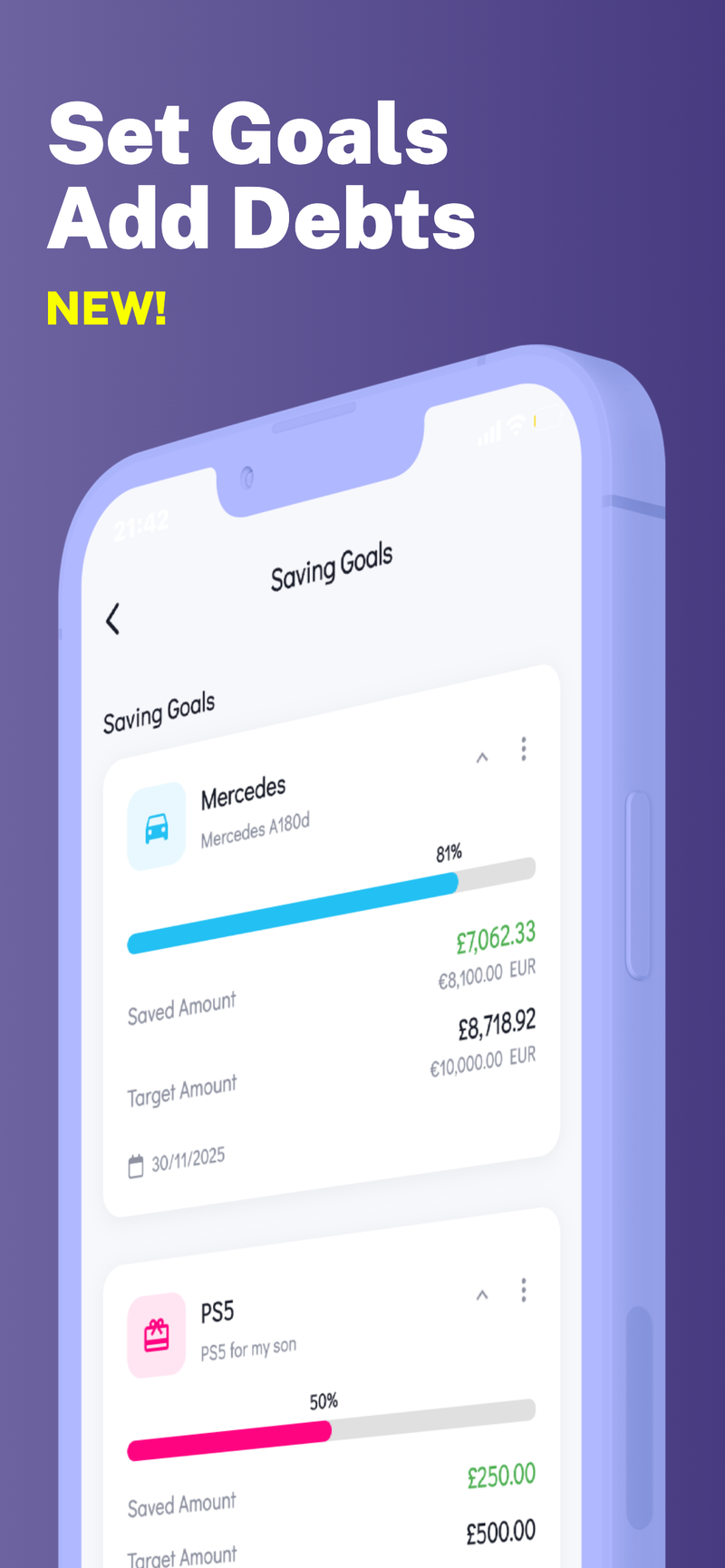
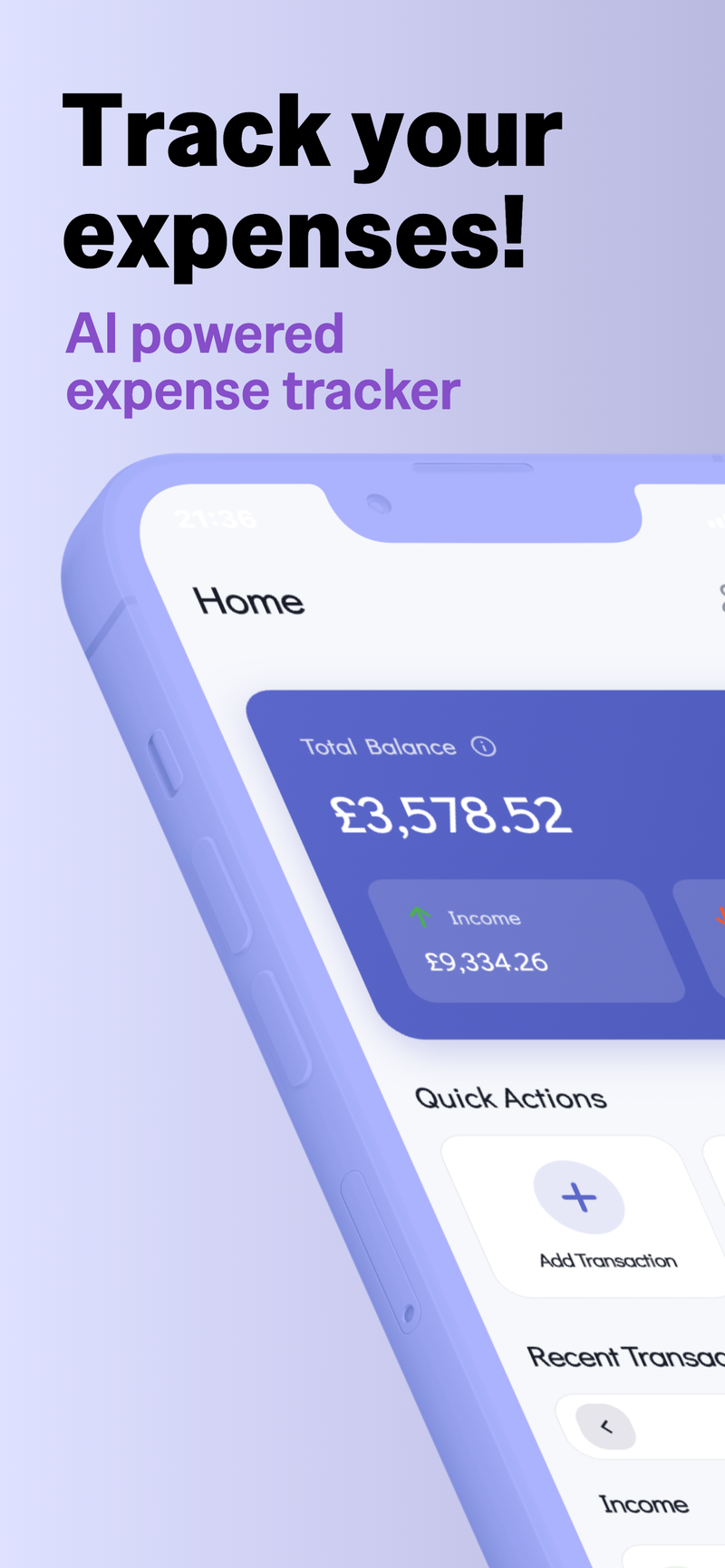
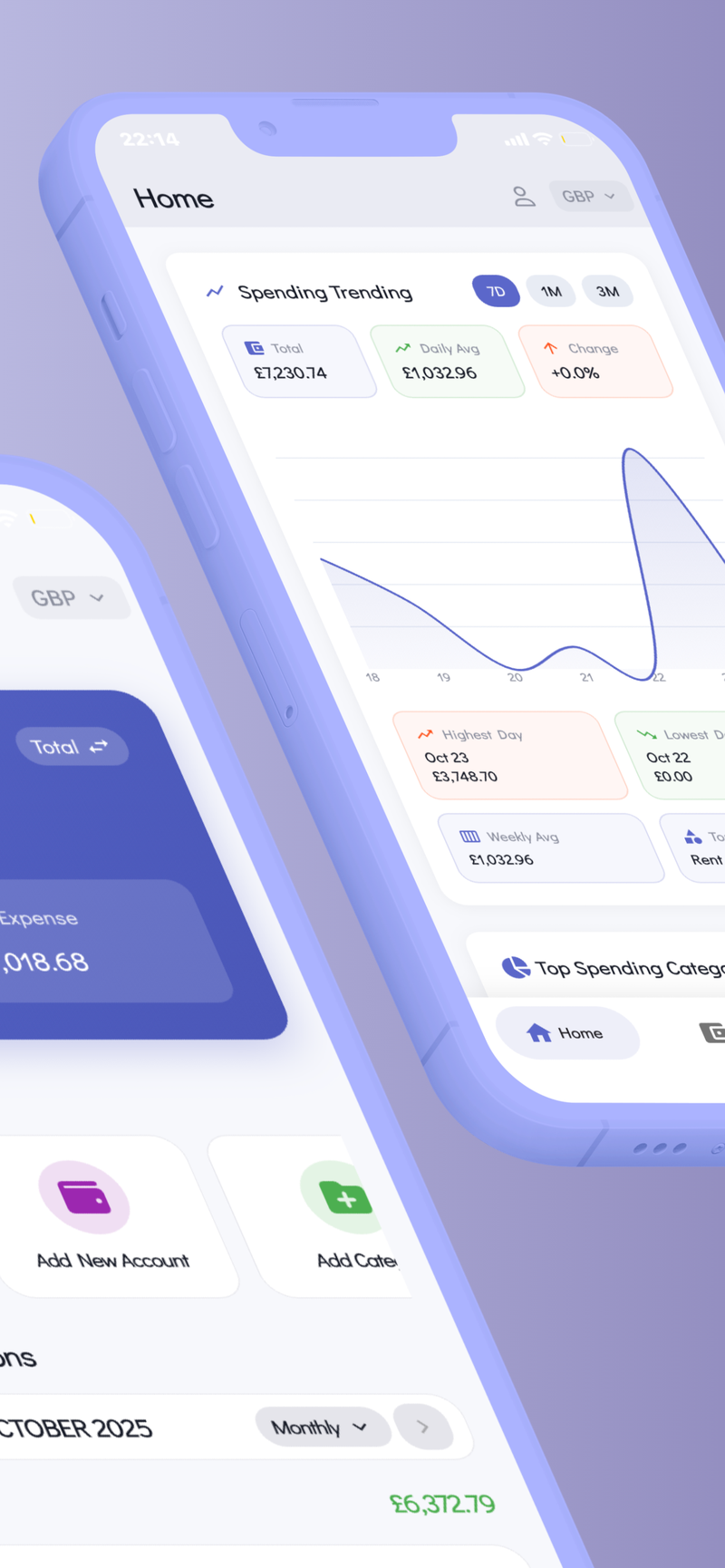
    If you’re looking for a practical way to implement these ideas and keep your financial data private, consider a budgeting tool that stores data on-device and supports multiple profiles. Fokus Budget is designed with privacy and versatility in mind, helping you manage personal, family, or shared finances without sacrificing control or clarity. It can be a helpful companion as you apply these eight tips and pursue smarter, steadier budgeting.
    Fokus Budget icon

    Fokus Budget

    AI-powered expense tracking

    Free • In-App Purchases
    GET
    Dashboard
    Analytics
    Transactions
    Categories
    Reports
    AI Receipt ScanningMulti-CurrencyBank ImportPrivacy-First

    Multi-Profile Support

    Related Articles

    Fokus Budget

    AI-powered expense tracking