
A Practical 5-Step Guide to a Realistic Grocery Budget
Grocery bills can spike unexpectedly. This guide presents a practical 5-step approach to building a realistic budget, planning meals, and shopping smarter without sacrificing nutrition or variety.
Introduction
Is your grocery bill growing while your pantry stays the same? You’re not imagining things. Across many households, food costs have risen steadily, and small daily choices add up. The good news is that you can build a practical system that fits real life—without turning mealtime into a constant source of stress. A realistic grocery budget isn’t about strict scarcity; it’s about clarity, rhythm, and simple processes you can maintain month after month.
The 5-Step Guide to a Realistic Grocery Budget
Step 1: Track baseline spending
To know where you stand, start by tracking every grocery purchase for two weeks. Use a simple log that records the date, item or category, and price. At the end, calculate your weekly average and note any recurring spikes (for example, weekend trips or holidays). This baseline gives you something concrete to adjust from, not guesswork. A quick pantry snapshot can also help you see what you actually use versus what you routinely buy on impulse.
Step 2: Set a realistic budget framework
Create a straightforward framework you can actually follow. Define categories and allocate weekly amounts:
Aim for a small inflation buffer (3-10%) based on your area and past trends. Keep the plan simple; use a spreadsheet or a notebook—whatever you’ll actually use regularly.
Example for a family of four (illustrative only):
If you’re single or a couple, scale down proportionally and adjust based on your round-trip shopping habits. The key is consistency, not perfection.
Step 3: Meal planning and shopping list
Meal planning is the backbone of a realistic budget. Build a simple 4-week rotating plan focusing on affordable, versatile ingredients. Steps:
Tip: plan around weekly sales and seasonal produce. A well-planned week reduces waste and impulse buys, keeping costs predictable.
Step 4: Smart shopping strategies
Smart shopping is about efficiency, not deprivation:
Step 5: Review and adjust
Set a monthly check-in to compare actual spending against your budget. Look for patterns: which categories routinely go over, what items cause waste, and where you found savings. A quick waste audit—asking what was thrown away and why—can reveal opportunities to adjust portion sizes, storage, or meal planning.
Tips for the weekly routine:
Conclusion
With a clear baseline, a realistic framework, and a steady routine, grocery budgeting becomes a practical skill rather than a constant source of stress. You’ll likely notice fewer surprise trips to the store, less impulse buying, and a better sense of control over your meals and cash flow. Small, repeatable steps add up over time, turning budgeting from a number into a habit that fits your life.
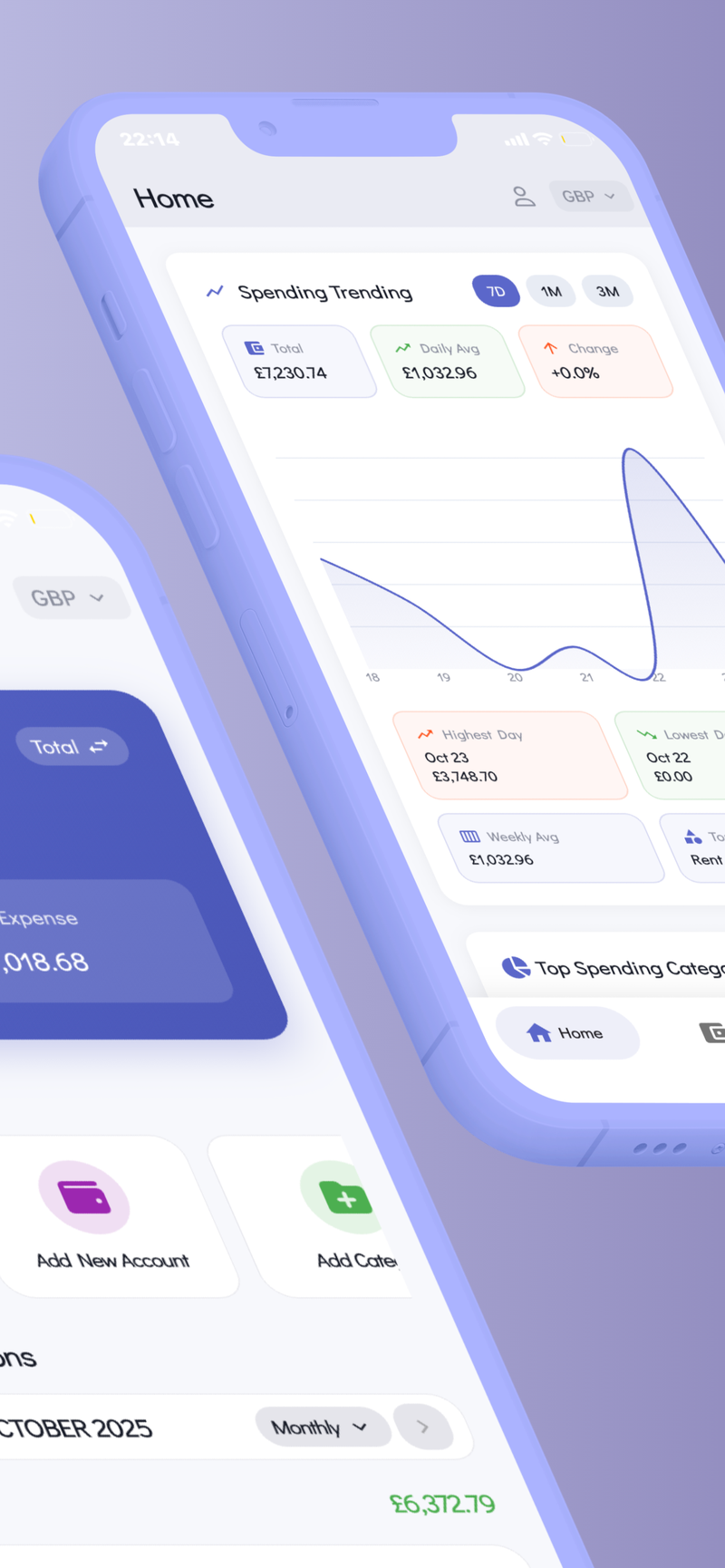
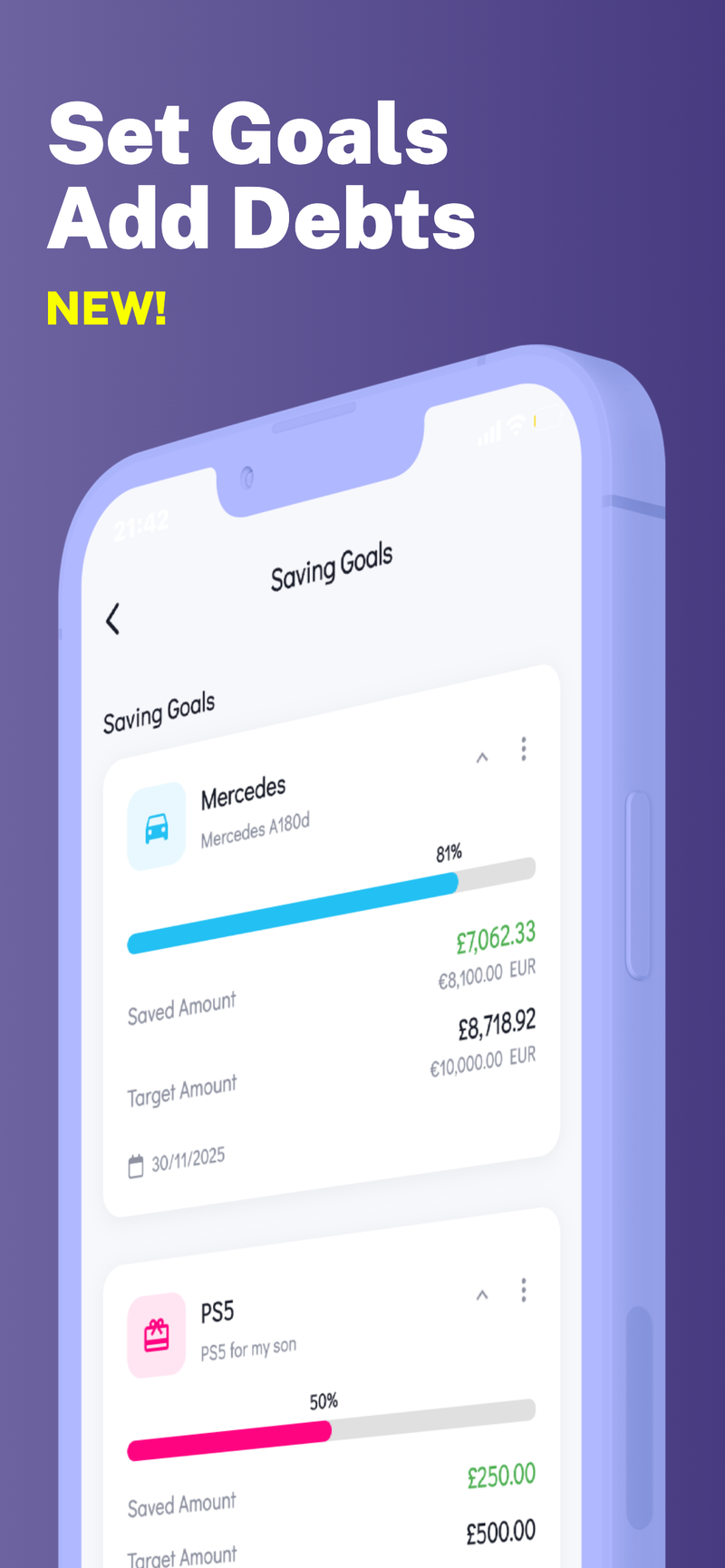
If you want a private budgeting tool to help you implement this plan across multiple scenarios, Fokus Budget can help. It emphasizes privacy by keeping data on your device and supports multiple profiles, so you can manage budgets for different households or family members without mixing accounts.



✨ Privacy-focused on-device data storage