Fokus Budget

Fokus Budget

AI-powered expense tracking

·Budgeting

A Practical Guide to a Sustainable Family Budget That Saves

This guide explains how to build a sustainable family budget with clear goals, a simple framework, and practical tweaks that foster real savings. Learn to automate, trim waste, and review regularly for lasting results.

personal financebudgetingfamilysavingsfinancial planning

Introduction

Do you ever feel like money vanishes after the bills are paid, groceries are bought, and kids’ needs pop up? If so, you’re not alone. Many households struggle to save because they lack clarity, a simple framework, or the habit of consistent review. The good news is that a sustainable budget isn’t about denying joy; it’s about making intentional choices that add up over time.

A proven starting point is to treat savings as a fixed monthly expense, not an afterthought. When you automate or plan for savings, you reduce the temptation to dip into it later in the month. The result can be steadier progress toward an emergency fund, a debt payoff plan, and future goals.

Main Content

H3: 1) Start with a clear savings goal


  • Define an emergency fund target: 3 to 6 months of essential expenses (rent/mortgage, utilities, groceries, transport, insurance).

  • Estimate essential monthly costs: groceries, housing, healthcare, childcare, transportation.

  • Set a lightweight milestone: for example, 30 days to reach a basic $1,000 emergency cushion, then scale up to 3–6 months.

  • Why this matters: the Federal Reserve has noted that a sizable share of adults would struggle to cover a $400 emergency. Building a fund reduces stress when life surprises you.
  • H3: 2) Choose a budgeting framework that fits you

    Two widely recommended approaches:

  • 50/30/20 rule: 50% needs, 30% wants, 20% savings/debt payoff. It’s simple and scalable for most families.

  • Zero-based budgeting: every dollar is assigned a purpose, so the budget and actuals align closely.
  • How to start:

  • Pick one framework and apply it for a full month.

  • Track every category (needs, wants, savings, debt) and adjust mid-month if you overspend.

  • Revisit the framework each month when income or expenses shift.
  • H3: 3) Track and trim with intention


  • Audit recurring costs: subscriptions, streaming services, gym memberships. Cancel or pause those you rarely use.

  • Cut grocery waste: plan meals, make a shopping list, and compare unit prices. A simple shift to cook-at-home a few extra dinners per week can save hundreds annually.

  • Use a single source of truth: collect receipts or digital records in one place for two or three months to spot leaks.
  • Tip: tracking spending often leads to a meaningful reduction in impulse purchases because you see where money actually goes.

    H3: 4) Automate savings and debt payoff


  • Create an automatic transfer to a savings account on each payday before you can spend it.

  • Treat savings as a fixed expense: if you forget to transfer manually, the autopay still does the job.

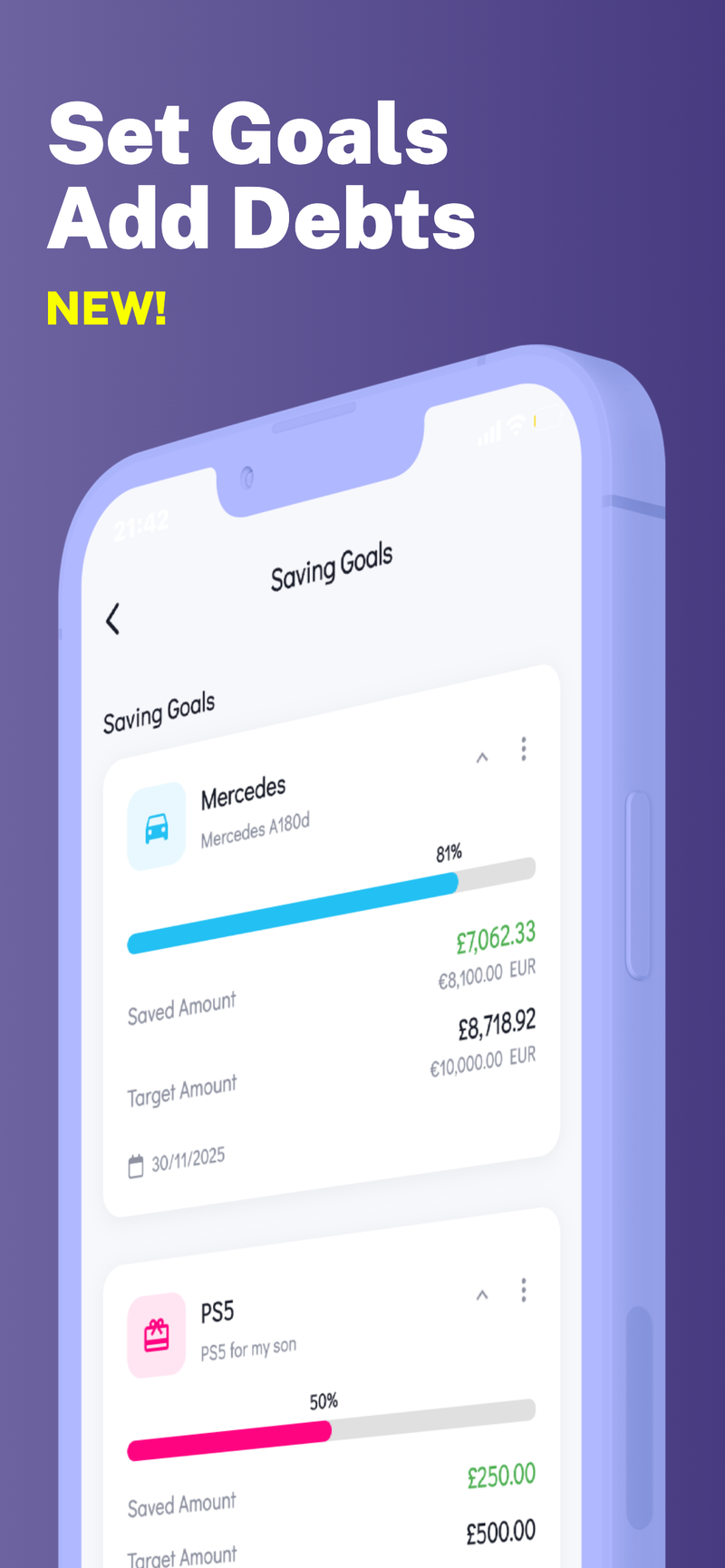
  • If you carry debt, automate payments with a payoff plan (avalanche for high-interest debt, or snowball for quick wins) to accelerate progress.
  • Automation reduces decision fatigue, which is a major roadblock for many households.

    H3: 5) Make meals and essentials efficiently


  • Meal planning: design a simple weekly plan around affordable staples.

  • Batch cooking: prepare meals in bulk to reduce daily cooking time and temptations.

  • Energy and utility tweaks: lower thermostat settings, energy-efficient bulbs, and weather-stripping to cut bills over time.
  • Small, consistent changes in the kitchen and around the house add up to meaningful savings over the year.

    H3: 6) Plan for irregular income and big expenses


  • Create a base budget that covers essential needs with a small buffer for lean months.

  • Build a rolling cushion: a 1–2 month expense safety net that you replenish after spikes in income.

  • Set aside anticipated big costs (school gear, car maintenance, dentist visits) in a separate sinking fund.
  • Irregular income isn’t a barrier to saving when you budget around it rather than against it.

    H3: 7) Involve the family for lasting change


  • Explain the goal: what you’re saving for and why it matters.

  • Use age-appropriate tasks: teens can manage a small budget for personal expenses; younger kids can help track chores or allowances.

  • Celebrate small wins together: a family dinner with the savings you’ve achieved reinforces the habit.
  • The more everyone understands the plan, the more likely you’ll stay the course.

    H3: 8) Review and adjust regularly


  • Schedule a monthly budget review: compare plan vs. actuals, adjust for life changes (new job, school costs, illness).

  • Look for patterns: which categories consistently overspend? Which areas could be trimmed without sacrificing quality of life?

  • Keep the process simple: a quick 15–20 minute check each month is enough to maintain momentum.
  • Evidence and practical experience both support the idea that steady, small adjustments lead to durable savings. A budget that’s too complex often collapses under life’s pressures; a simple, repeatable plan sticks.

    Conclusion

    A sustainable family budget isn’t a one-time fix—it’s a habit built on clear goals, a simple framework, disciplined tracking, and regular adjustments. Start with a realistic emergency fund target, choose a framework you can live with, automate what you can, and involve the whole family. When you pair these steps with small, consistent changes—planning meals, cutting waste, and reviewing monthly—you create a path to saving that actually sticks.

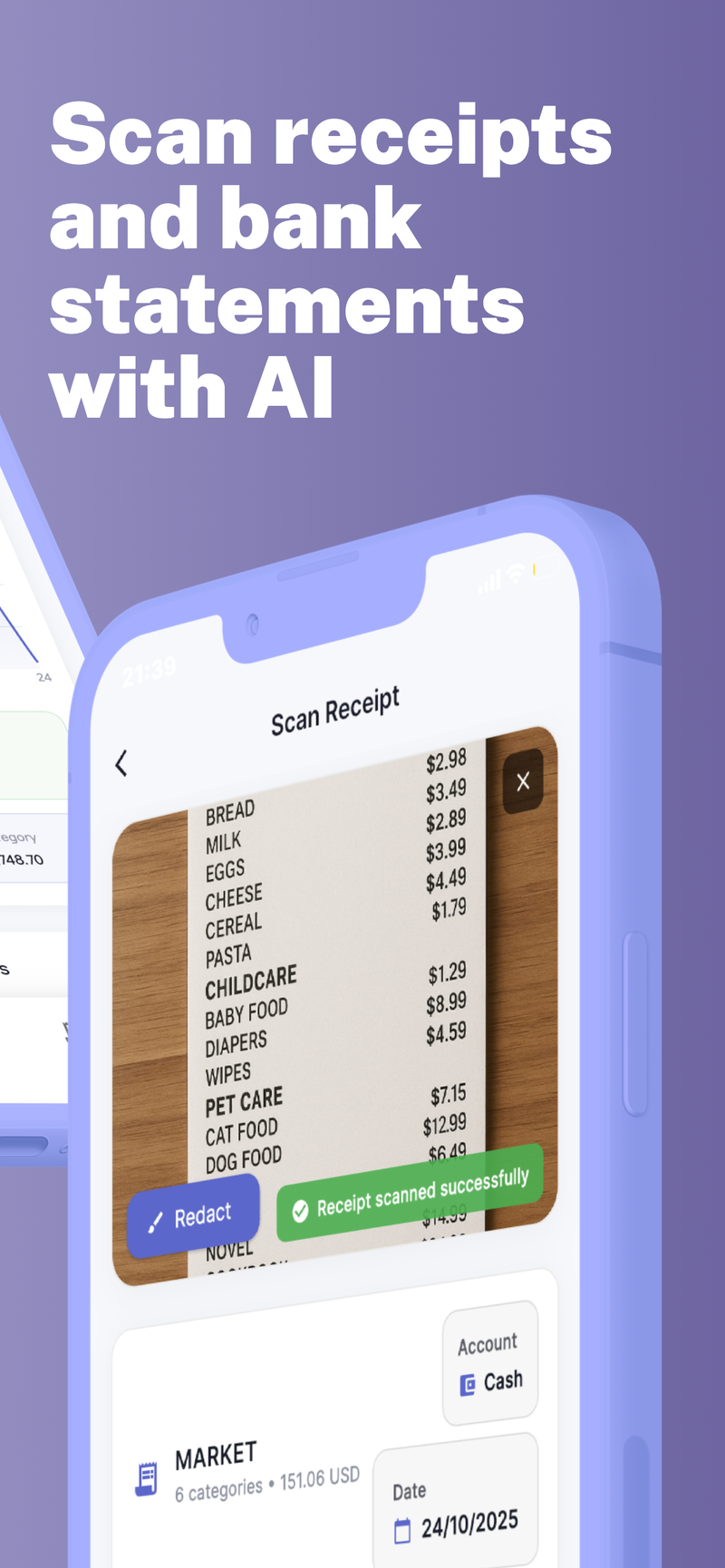
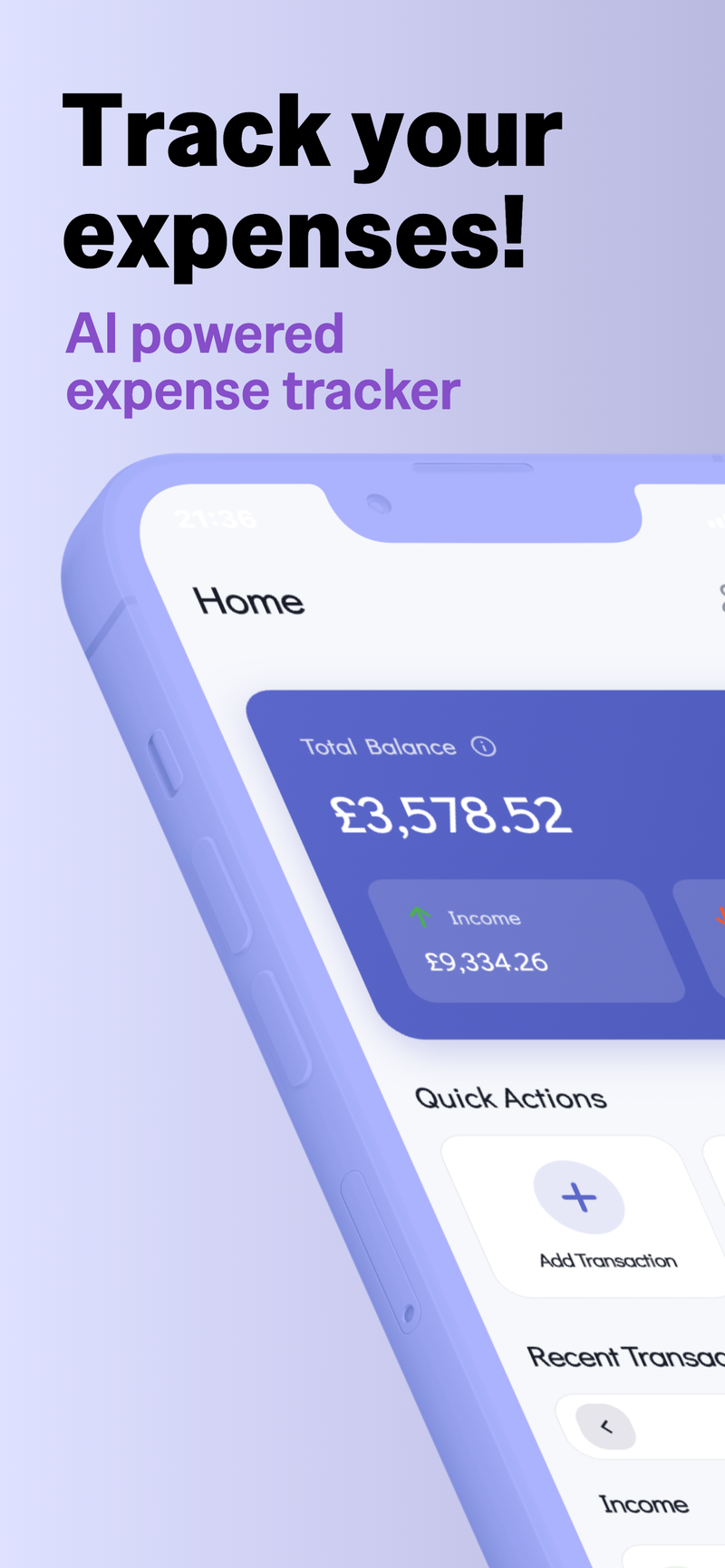
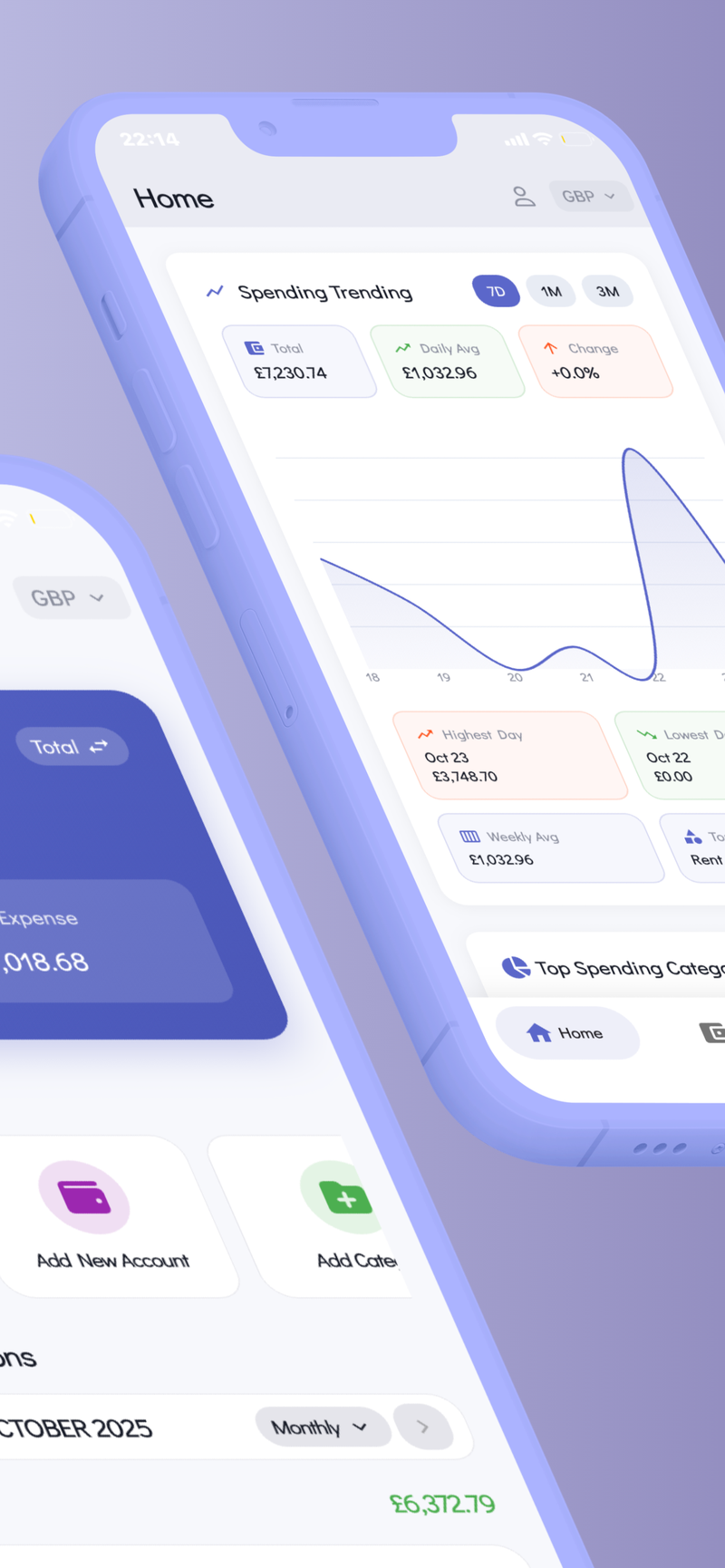
    If you’re looking for a tool to help you implement these practices consistently, consider a dedicated personal finance manager that keeps your data private and on your device. Fokus Budget can help with this, offering privacy-focused on-device data storage and the ability to manage multiple family profiles without mixing personal finance with other accounts. It’s a gentle complement to the habits you’re building, not a replacement for them.
    Fokus Budget icon

    Fokus Budget

    AI-powered expense tracking

    Free • In-App Purchases
    GET
    Dashboard
    Analytics
    Transactions
    Categories
    Reports
    AI Receipt ScanningMulti-CurrencyBank ImportPrivacy-First

    Privacy-focused on-device data storage

    Related Articles

    Fokus Budget

    AI-powered expense tracking