Introduction
Are you drowning in receipts and bank alerts, wondering where your money actually went this month? You’re not alone. Many households want to cut waste and feel more confident about bills, yet ambiguity and busy schedules make tracking expenses feel like a chore. The good news: you can build a simple, sustainable system that fits real life—not a rigid spreadsheet that never gets touched.
In this guide, you’ll find practical steps, proven habits, and realistic workflows you can start today. No fluff, just concrete actions that lead to clearer numbers and calmer finances.
Start with a clear goal and a baseline
Define your objective
Decide what you want to achieve this month or quarter: build an emergency fund, reduce dining-out, or pay down debt.Write it down in one sentence and place it somewhere visible.Establish a baseline quickly
Track expenses for 14 days to understand where money goes. Even a short window provides useful insight.Expect variances, but look for recurring patterns (e.g., weekly groceries, monthly subscriptions).Tip: Research suggests households that track expenses regularly reduce overspending by roughly 10-20%. Even small wins add up over time.
Create simple categories
Needs: housing, utilities, groceries, transportation.Wants: dining out, entertainment, nonessential shopping.Savings/debt: emergency fund, debt payments.Keep it lean at first—too many categories amplify effort without improving clarity.
Build a system you can sustain
Apply a light budgeting framework
Use the 50/30/20 rule as a starting point: 50% needs, 30% wants, 20% savings/debt.Adjust to your reality: some households may run 60/25/15 or 40/40/20 depending on income and goals.Use a single ledger (for beginners)
Master ledger columns: Date, Category, Amount, Payment Method, Notes, Reconciled (Yes/No).Log entries as you spend or shortly after, instead of waiting to “do it later.”Reconcile weekly by confirming receipts match your ledger.Make it easy to stick with
Schedule a fixed 10-minute check-in each week.Keep receipts organized by month in a labeled folder or digital photo folder.Prioritize high-leverage categories first (groceries, dining out, subscriptions).Practical tracking methods (three approachable options)
1) Paper ledger with a notebook
Pros: tactile, low tech, inexpensive.How-to: create 4 sections—Date, Category, Amount, Notes. Update daily or every few days.Tip: use a color pen to quickly identify needs vs wants.2) Spreadsheet that you actually use
Pros: flexible, scalable, easy to analyze.How-to: a single sheet with columns for date, category, amount, payment method, and a running total.Quick formulas: SUMIF for category totals; a simple pivot to summarize by month.3) Lightweight digital tools (no heavy apps)
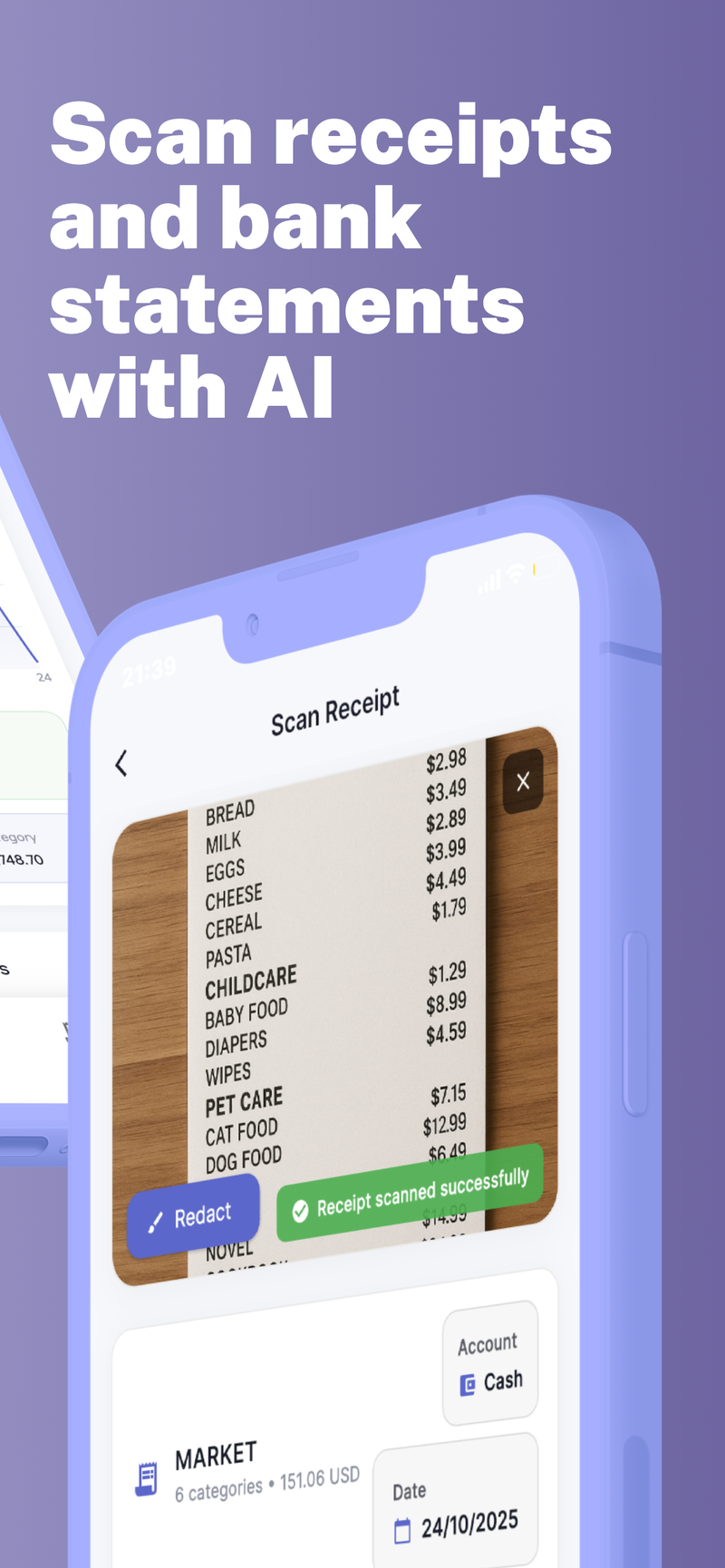
Pros: automated imports from bank statements, faster reconciliation.How-to: export a monthly statement, categorize transactions, and review discrepancies.Pro tip: set up a recurring monthly review to keep categories aligned with your spending reality.Optimize categories and reduce leakage
Identify common leakage points
Subscriptions you forgot about or underused.Dining out and impulse purchases.Energy waste (heating/cooling) and lingering takeout habits.Practical levers to pull
24-hour rule for nonessential purchases to curb impulse buys.Audit subscriptions every quarter and cancel the ones you don’t truly use.Plan meals and grocery lists to minimize food waste.Set caps for “wants” categories and redirect savings toward goals.Zero-based budgeting (ZBB) as a mindset
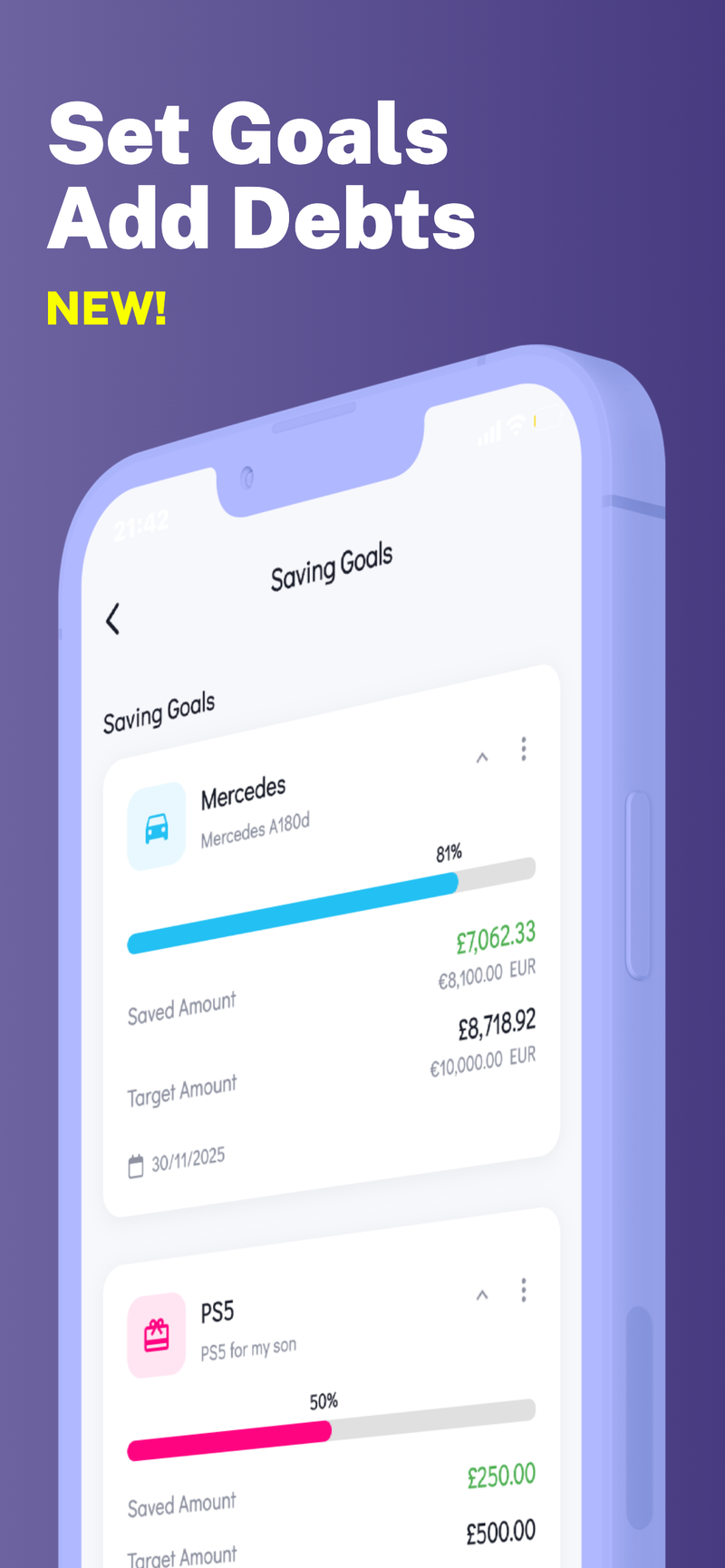
At the start of each month, allocate every dollar to a category, including a line for savings.If you find a surplus, assign it to debt payoff or an emergency fund; if you’re short, trim discretionary categories first.Make debt payoff and savings a habit
Pay yourself first
Treat savings like a fixed bill that must be paid each month.Automate transfers to a dedicated savings account or debt payoff fund.Build a family routine
Involve all earners. A quick monthly review session can keep everyone aligned with goals.Create a shared understanding of “needs vs. wants” to avoid budget bloat.Review, reflect, and adapt
Weekly check-ins
Quick glance at current week’s spending vs. plan.Adjust the next week’s allocations if you’re off track.Monthly deep-dive
Compare actuals to budgeted targets.Identify over/under-spending by category and adjust next month’s plan.Look for trends: rising utility costs, seasonal groceries, or new subscriptions.Common mistakes to avoid
Not logging cash purchases or small receipts.Letting categories drift without rebalancing toward goals.Waiting too long to reconcile—friction grows if you delay.Conclusion
Tracking household expenses doesn’t have to be a data-driven nightmare. Start small, keep the system simple, and build momentum with regular, quick reviews. As you gain clarity, you’ll spend less on “mystery” costs and redirect money toward what matters most—savings, debt reduction, and peace of mind.
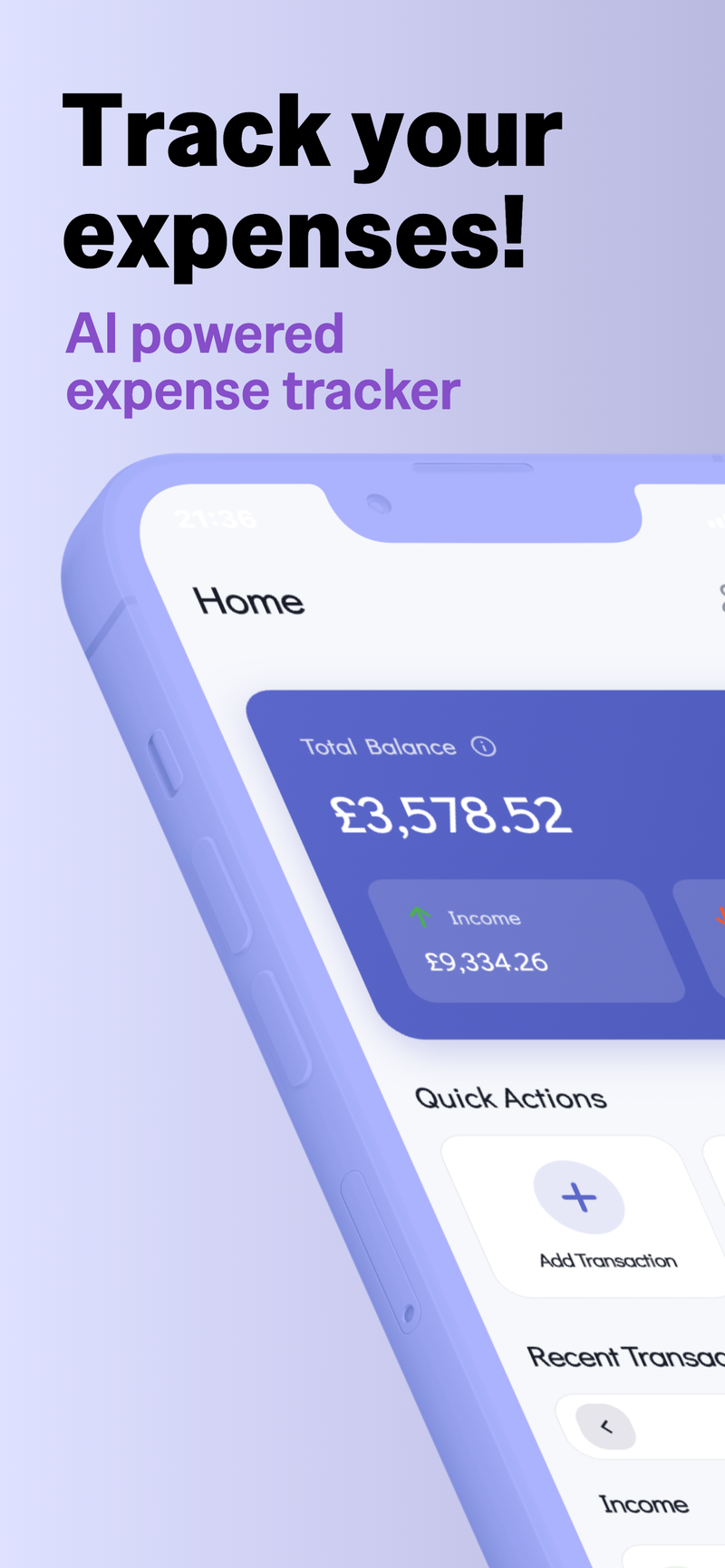
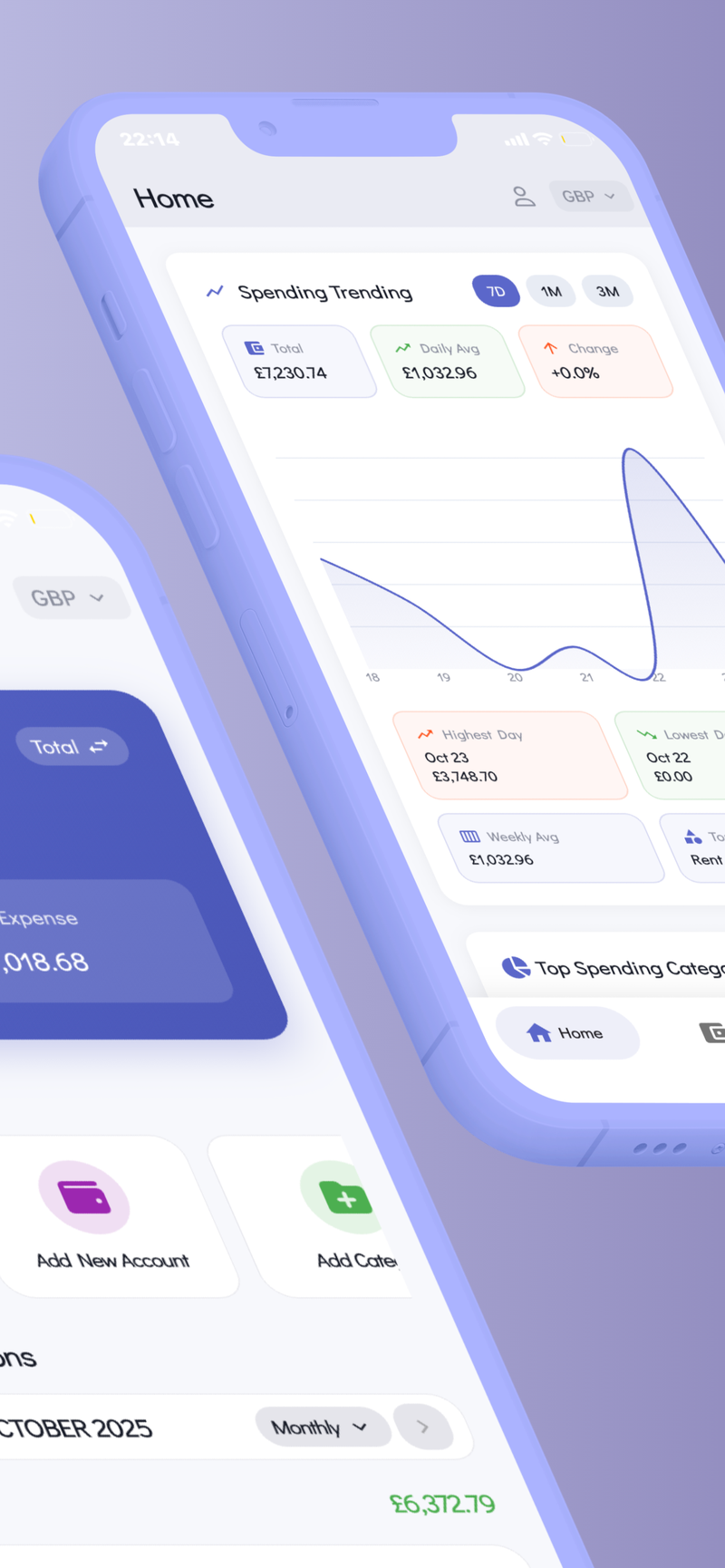
If you’re looking for a lightweight, privacy-conscious tool to support this workflow, Fokus Budget can help. It offers Multi-Profile Support to keep personal, family, and shared finances organized in one place, while your data stays on your device. This can make the process feel even more approachable for busy households.