Fokus Budget

Fokus Budget

AI-powered expense tracking

·Budgeting

A Realistic Grocery Budget Guide for Busy Families

Busy families often struggle to keep grocery costs in check. This guide offers practical steps to establish a realistic budget, plan meals, reduce waste, and involve everyone—without sacrificing meals or time. Learn simple, actionable habits you can start today.

budgetingfrugal livingfamily mealsgrocery shoppingpersonal finance

Introduction

Are you juggling work, kids, and a kitchen that always seems to overshoot the budget? If you’re like many busy families, grocery bills feel like a moving target: prices change, schedules fill up, and meals still need to happen. The good news is you can build a practical, realistic plan that keeps everyone fed without turning your week into a constant race to the checkout line. This guide walks through doable steps to create a household grocery budget you can actually stick to.

Main Content

Start with a Realistic Baseline

1) Track spending for two weeks. Save receipts or export app data, then categorize every purchase into: Produce, Dairy & Eggs, Protein, Grains & Pantry, Frozen, Snacks & Beverages, Household, and Miscellaneous.
2) Sum the two weeks and double it to estimate a monthly baseline. Remember, seasonality matters: cucumbers in August cost less than December, and back-to-school weeks can spike snack prices.
3) Set a starting target that feels doable. For a typical family of four in a mid-cost area, a reasonable monthly range might be roughly $900–$1,100 for groceries. Adjust up or down based on your location, dietary needs, and how many meals you cook at home.

Plan Based on Weekly Cycles


  • Create a simple, repeatable meal plan: 4–5 core meals per week plus leftovers. For example, rotate with chili, roasted chicken with vegetables and rice, lentil soup, and a pasta night with a big veggie sauté.

  • Build a master weekly shopping list by category (Produce, Refrigerated, Pantry, Frozen, Misc). This reduces impulse buys and makes substitutions easier if items are out of stock.

  • Use the sale cycle to your advantage. If chicken thighs are on sale, plan two meals around them; if beans are discounted, stock up and use them in multiple recipes.
  • Build a Simple Shopping Framework


  • Needs vs. Wants: mark items as N (needed) or W (wanted). Prioritize needed items first.

  • Check what you already have before you shop. Do a quick pantry audit to avoid double buys.

  • Use unit pricing and store brands. A cheaper can of tomatoes per ounce beats a pricier premium option, even if the label looks fancier.

  • Keep a prepared list on your phone or a small notebook. If something runs out, add it right away—don’t rely on memory at the store.
  • Shop Smart: Strategies to Cut Waste


  • Buy staples in reasonable bulk if you will actually use them (rice, oats, beans, canned tomatoes, etc.).

  • Freeze meals and portions to rotate stock and avoid last-minute takeout.

  • Batch-cook on weekends: cook a big pot of soup, chili, or a casserole you can portion for future lunches or dinners.

  • Shop seasonal produce and local deals. Seasonal fruits and vegetables are typically cheaper and tastier.

  • Use a 30-second rule for impulse items. If you’re not 100% sure you’ll use it, skip it and revisit later.
  • Track and Adjust


  • At the end of each month, compare actual spending to your baseline. Color-code: green for under budget, yellow for on target, red for over.

  • Adjust your target by 5–10% based on experience. If you consistently underspend, you can reallocate funds to proteins or produce; if you overspend, tighten the plan or push more pantry meals.

  • Celebrate small wins: a month with less waste or a few saved dollars can build momentum.
  • Involve the Family


  • Give kids age-appropriate responsibilities: let them help pick one or two meals, or help compare prices for a chosen item.

  • Use a weekly “family menu night” where everyone suggests a dish based on what’s on sale.

  • Create simple rules, like eating leftovers twice a week, to cut waste and reinforce budgeting habits.

  • Rotate who helps with the shopping list; this keeps engagement high and reduces the temptation to overspend.
  • Conclusion with Subtle CTA

    Building a realistic grocery budget for a busy family isn’t about perfect restraint; it’s about planning with honesty, building a repeatable system, and staying flexible as prices shift. Start with a solid baseline, plan around weekly cycles, keep a simple shopping framework, and regularly track progress. Involving the whole family turns budgeting from a chore into a shared goal, which makes sustainable changes more likely to stick.

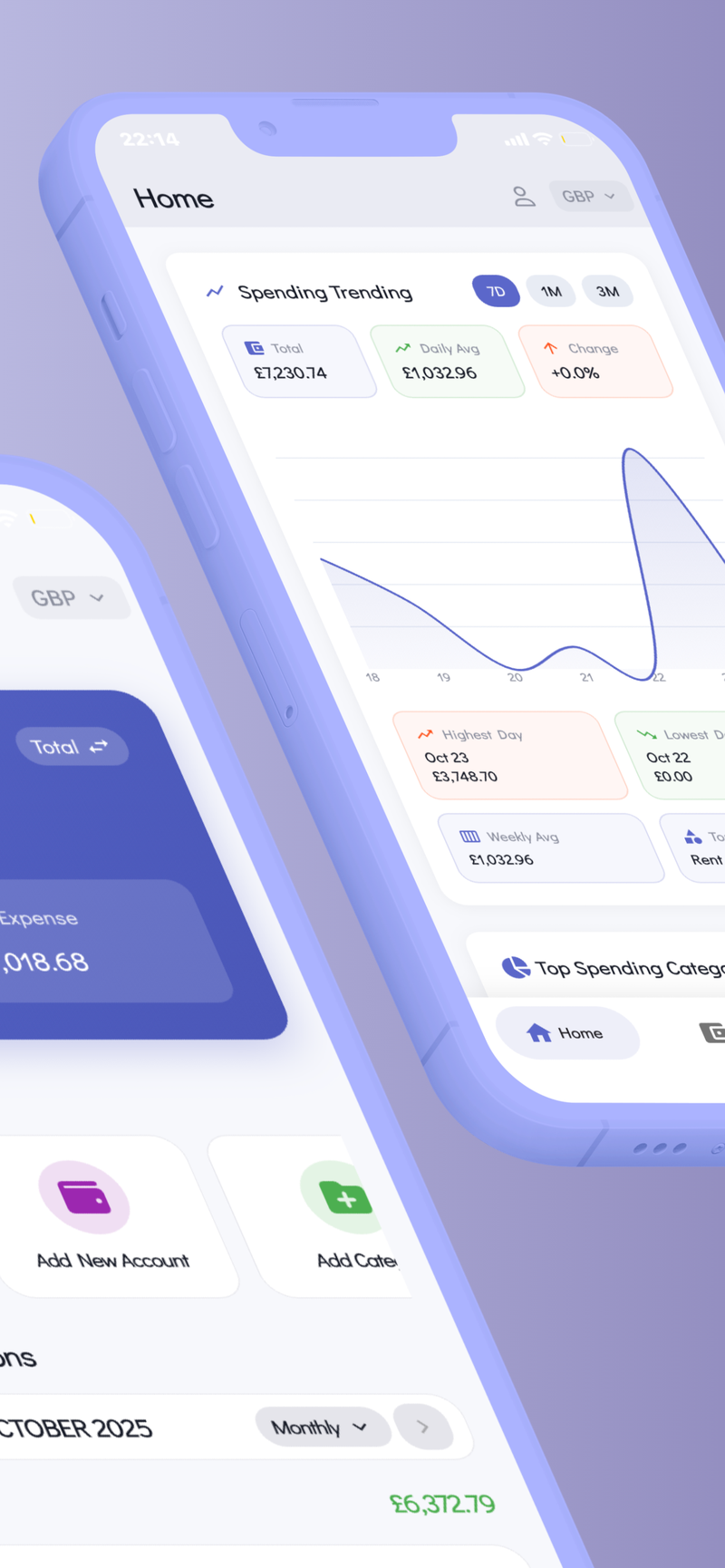
    If you’re looking for a private, easy way to keep track of grocery spending across family members without compromising your data, Fokus Budget can help. It offers on-device budgeting with multi-profile support, so each family member can contribute to the plan while your information stays secure.

    Fokus Budget icon

    Fokus Budget

    AI-powered expense tracking

    Free • In-App Purchases
    GET
    Dashboard
    Analytics
    Transactions
    Categories
    Reports
    AI Receipt ScanningMulti-CurrencyBank ImportPrivacy-First

    Multi-Profile Support

    Related Articles

    Fokus Budget

    AI-powered expense tracking