Introduction
Cravings can feel like a stubborn beat you can’t escape. If you’ve decided to quit or cut back, you’re not alone—most people face recurring urges that make progress feel slow. The good news: a plan built around real-life habits, not idealized perfection, can steadily reduce both the intensity and frequency of cravings. Think of it as a map rather than a sprint: small, purposeful steps that fit your everyday routine.
This guide focuses on practical, actionable strategies to cut nicotine urges. You’ll learn how to understand your triggers, create a toolbox of coping techniques, and design a gradual, personalized path that fits your life. You don’t have to wait for a perfect moment—start with a realistic plan you can actually follow.
Build a realistic plan to cut urges
A solid plan combines clear goals, honest tracking, and concrete coping strategies. Here are eight steps to shape a plan that sticks.
Step 1: Define your goal and timeline
Choose whether your aim is to monitor & reduce or to quit entirely.Set a target timeline that feels doable (e.g., 12 or 16 weeks).Break the timeline into milestones: e.g., reduce by 25% every 2 weeks, then reassess.Example: If you currently smoke 12 cigarettes a day, your first milestone might be 9 per day by two weeks, then 6 by four weeks.
Step 2: Track usage and triggers
Keep a simple daily log: amount smoked/vaped, context, mood, location, and time of day.Map high-risk moments: during stress, with friends, after meals, or during long work breaks.Review weekly to spot patterns and adjust.Why it helps: awareness is the first move toward change. Even small shifts in timing or setting can reduce urges over time.
Step 3: Build an urge-management toolbox
Create quick-response options you can pull out in the moment:
Delay technique: wait 5–10 minutes; urges often fade or become manageable.Hydration and a cold splash of water on your face.Substitutes: sugar-free gum, hard candy, a toothpick, or a stress ball.Deep breathing: inhale 4, hold 4, exhale 6, repeat 5 cycles.Light activity: a short walk, stairs, or quick stretches.Mindful check-in: label the urge (“I want X because I’m stressed”) and choose a different action.Step 4: Design a gradual reduction or quit schedule
If quitting entirely, taper to zero with fixed steps (e.g., reduce by 25% every 2 weeks).If reducing, decide a weekly target for each week and keep a simple chart.Build contingency days: plan for days you anticipate higher cravings and have extra coping strategies ready.Step 5: Prepare for withdrawal and mood shifts
Expect symptoms to peak in the first 1–3 days and gradually ease over 2–4 weeks.Prioritize sleep, regular meals, and balanced caffeine intake to stabilize mood.Exercise when possible; even a 15-minute brisk walk can lower cravings and improve sleep.Step 6: Build accountability and support
Tell a friend or family member your plan and check in weekly.Consider joining a support group or finding an accountability partner.Use a simple progress log to celebrate small wins, not just perfect days.Step 7: Handle high-risk situations
Social settings with smoking or vaping cues require a proactive plan: set a boundary, leave early if needed, or switch to non-tobacco beverages.Alcohol can amplify urges; plan to limit or avoid it around your quit timeline.Prepare a go-to coping script: “I’m choosing not to smoke right now; I’ll do X instead.”Step 8: Review and adapt
Schedule a weekly check-in to review what worked and what didn’t.Adjust your timeline and tools based on results, not feelings alone.If a milestone slips, reset rather than abandon: a two-step retreat is still progress.Practical tips and tactics
Delay and distract: a 10-minute delay often halves the urge’s intensity.Replace, don’t deny: swap a cigarette or vape hit with a non-nicotine action (tea, rinse, or breath work).Hydration and meal timing: thirst and hunger can masquerade as nicotine urges.Physical activity: even short bursts (5–10 minutes) release endorphins that counter cravings.Sleep matters: poor sleep can increase irritability and cravings; aim for regular sleep-wake times.Caffeine moderation: high caffeine intake can heighten jitters and cravings—balance it with water.Stress management: identify your top stressors and pair them with a coping plan (breathing, walk, call a friend).Reward progress: small, non-tobacco rewards after meeting milestones reinforce positive habits.Data and evidence to guide expectations
Withdrawal symptoms typically peak within 24–72 hours and can continue for 2–4 weeks, varying by person.Craving intensity often decreases with consistent coping practice over the first month.Most people make the strongest gains in the first 2–6 weeks of a quit or reduction plan; continued progress builds confidence and resilience.Relapse risk is highest in the first week after quitting; proactive planning reduces that risk substantially.Conclusion
Building a plan to cut nicotine urges isn’t about perfection—it’s about steady, measurable steps that fit your life. Start with a clear goal, track your use, and assemble a toolbox of practical coping strategies. Schedule regular reviews, and don’t hesitate to adjust your plan as you learn what works for you.
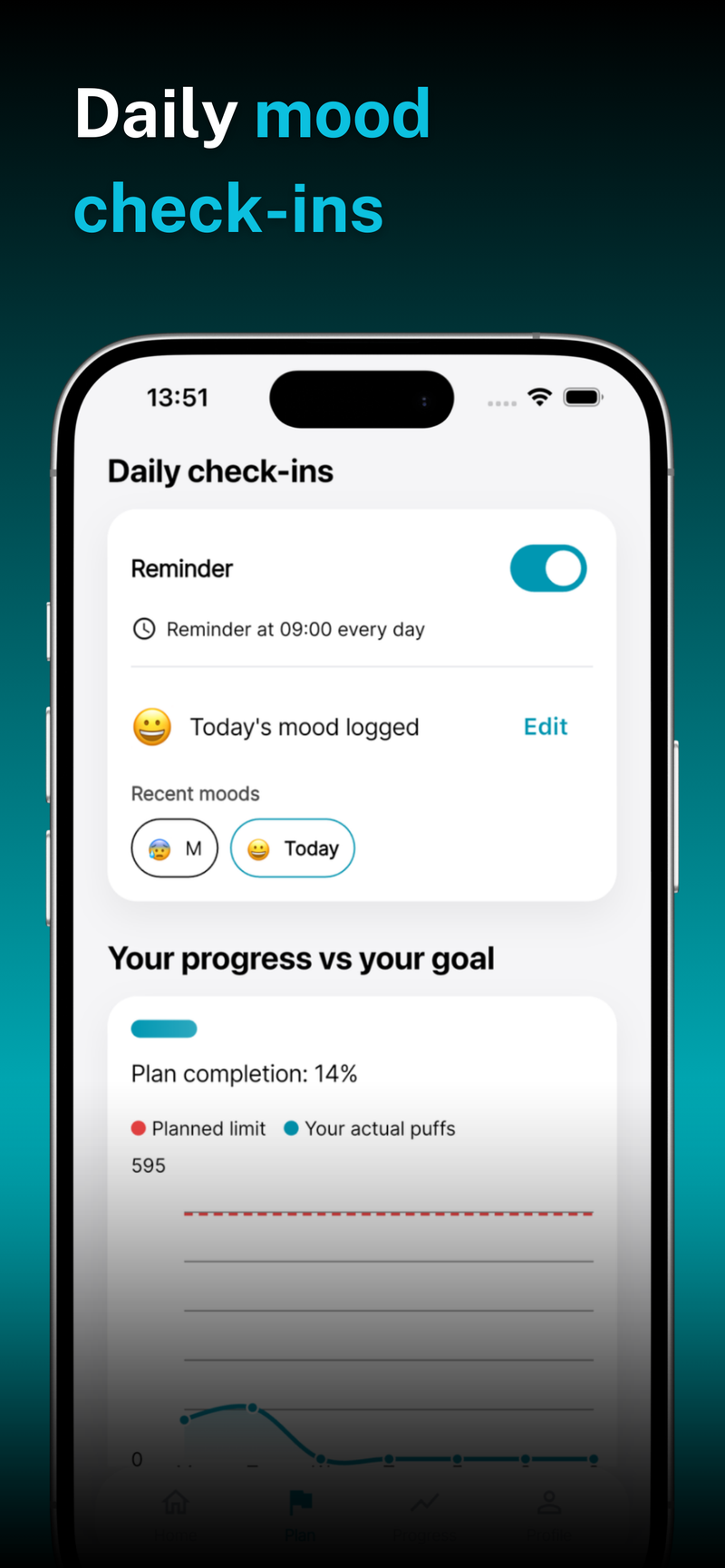
If you’re seeking a guided path that supports onboarding, personal setup, and a tailored plan, there are structured options designed to help you implement these steps with built-in accountability. For example, Quit Smoking & Vaping offers Fokus Puff – User-Facing Features that assist with onboarding and customizing your quit or reduction plan, aligning your daily actions with your goals. Remember: you don’t have to go it alone—small, consistent actions can lead to lasting change.