
Beat Morning Nicotine Urges: A Practical 7-Step Guide
Struggling with morning nicotine urges? This 7-step guide offers practical, actionable steps to disrupt morning cravings, build stronger routines, and gain daily momentum toward quitting or reducing nicotine use.
Beat Morning Nicotine Urges: A 7-Step Practical Guide
Morning cravings can feel like a predictable trap: you wake up, reach for a cigarette or vape, and the urge hits before you’ve even had your first sip of coffee. For many, the first hour after waking is the hardest, with cravings peaking as routines and cues kick in. The good news is you can disrupt that pattern with a simple, repeatable plan. This 7-step guide focuses on practical actions you can take right away to reduce the power of morning urges and set a positive momentum for the day.
Step 1: Prepare the night before
Why it helps: mornings are cue-driven. Removing visible triggers and having a ready alternative reduces that automatic reach before you’ve even thought about it.
Step 2: Start with a morning ritual that replaces nicotine
Create a short ritual that signals the start of the day without nicotine. Examples:
This ritual creates a new cue for the morning and helps shift focus away from the nicotine cue.
Step 3: Use deliberate delay to buy time
When an urge hits, try the 5-minute rule:
Urges typically peak and then subside within minutes. Delaying gives your brain a chance to relearn the behavior.
Step 4: Activate a quick physical response
A fast physical response can interrupt the urge cycle and reset your mood:
Moving your body shifts attention, reduces anxiety, and lowers nicotine craving intensity for many people.
Step 5: Reframe urges as signals, not commands
Practice urge labeling: when a craving arrives, name it (e.g., “That’s the morning craving talking”).
This cognitive reframing reduces the automatic pull of the urge and strengthens your sense of control.
Step 6: Optimize your environment and cues
Make mornings easier by adjusting the environment:
Environment design matters. Small changes create big shifts in how strong a craving feels and how you respond.
Step 7: Build support and track progress
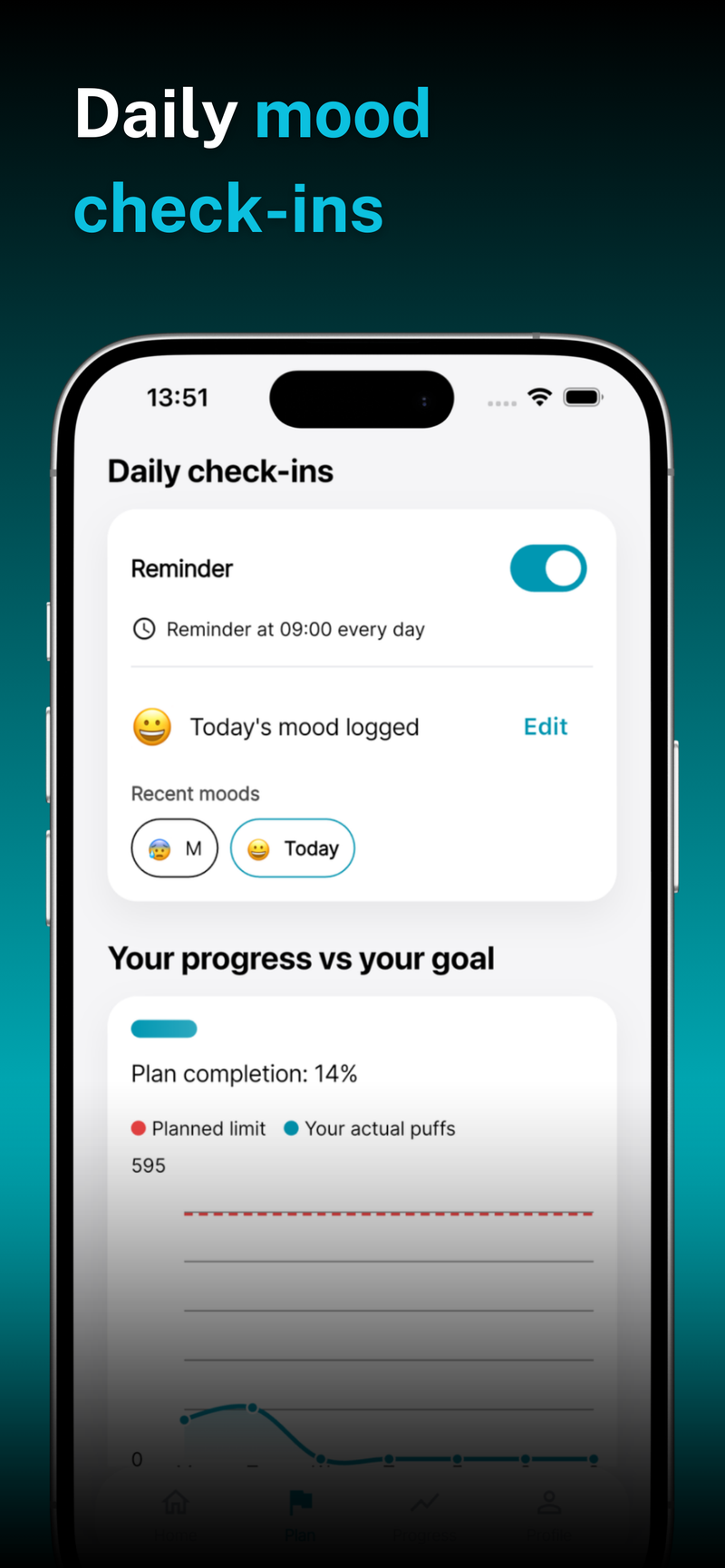
Regular check-ins with yourself reinforce new habits and reduce relapse risk over time.
A note on data: cravings are often strongest in the first hours after waking, and relapse risk tends to be higher in the early stages of quitting. Building a routine that disrupts the old patterns and replaces them with manageable, repeatable actions increases your odds of success.
Conclusion
Beating morning nicotine urges is less about heroic willpower and more about predictable, practical steps you can repeat every day. By preparing the night before, establishing a morning ritual, delaying action, activating quick physical responses, reframing urges, optimizing your environment, and leveraging support, you create a powerful framework for change.
If you’re interested in a structured approach to tailor these steps to your situation, there are onboarding options that help you choose your product type, set a clear goal (monitor & reduce or quit), pick a target timeline, and build a personalized plan. In particular, onboarding and personal setup features can guide you toward a plan that fits your daily habits and budget, turning these seven steps into a sustainable path. This kind of tailored support can be a helpful companion as you work toward morning freedom from nicotine.



💪 Onboarding & Personal Setup