Beat Sleep Disruption While Quitting Nicotine or Vaping Today
Quitting nicotine often disrupts sleep, with insomnia, vivid dreams, and restless nights. This guide offers practical steps—routines, environment tweaks, and mental strategies—to help you rest better during withdrawal.
Introduction
Quitting nicotine—whether cigarettes or vaping—is a bold win for your health. But for many, the nights become a battleground: longer time to fall asleep, more awakenings, or vivid dreams that feel unusually intense. Sleep disruption is a common part of nicotine withdrawal, especially in the first few weeks. About two out of three people report insomnia or restless sleep when they start a quit attempt.
Rather than battle sleep with sheer force of will, you can shape your evenings and days to support rest. This guide shares practical, evidence-informed steps you can start tonight to reduce wakeups, shorten the time it takes to fall asleep, and wake with a little more energy.
Understanding withdrawal-related sleep disruption
What withdrawal sleep looks like
During nicotine withdrawal, sleep can become fragmented. Common patterns include:
These changes often ease as your body adjusts, but the timeline varies. Some people notice improvement within 2-4 weeks; others may experience longer disruption, especially if stress or anxiety are involved.
Why sleep gets disrupted during quitting
Nicotine acts as a stimulant and modulates brain chemicals tied to wakefulness. When you stop, the brain can stay in a higher-alert state as it recalibrates dopamine and other systems. Sleep regulation, mood, and cravings all interplay, so night-to-night sleep can swing until your system settles.
Practical strategies to beat sleep disruption
These steps are practical, actionable, and designed to fit real life. Pick a few you can start this week and build from there.
Establish a consistent sleep-wake schedule
Build a wind-down routine
Create a sleep-friendly environment
Manage caffeine, alcohol, and nicotine timing
Move your body—at the right times
Tackle nighttime cravings and rumination
Watch daytime naps and meals
Sleep tracking and adjustments
Dealing with vivid dreams and awakenings
When to seek help
If sleep disruption persists for several weeks, or you experience extreme daytime sleepiness, significant anxiety, or depression, consider speaking with a healthcare professional. Underlying sleep disorders, such as sleep apnea, can worsen withdrawal symptoms and require targeted treatment.
Putting it together: a simple plan you can start tonight
Conclusion
Quitting nicotine can be tough, and sleep often bears the brunt. Yet with small, consistent changes to routines, environment, and mindset, you can reduce nightly wakeups, fall asleep faster, and feel steadier during the day. The goal isn’t perfection—it’s steady progress toward better rest and a healthier quit.
If you’re looking for a guided, personalized path that helps you coordinate your quit with sleep-friendly routines, consider a structured program like Quit Smoking & Vaping. Fokus Puff offers user-facing features designed to support onboarding and personal setup so you can tailor your quit plan to your daily life and sleep needs. Onboarding & Personal Setup can help you create a realistic timeline, set your goa


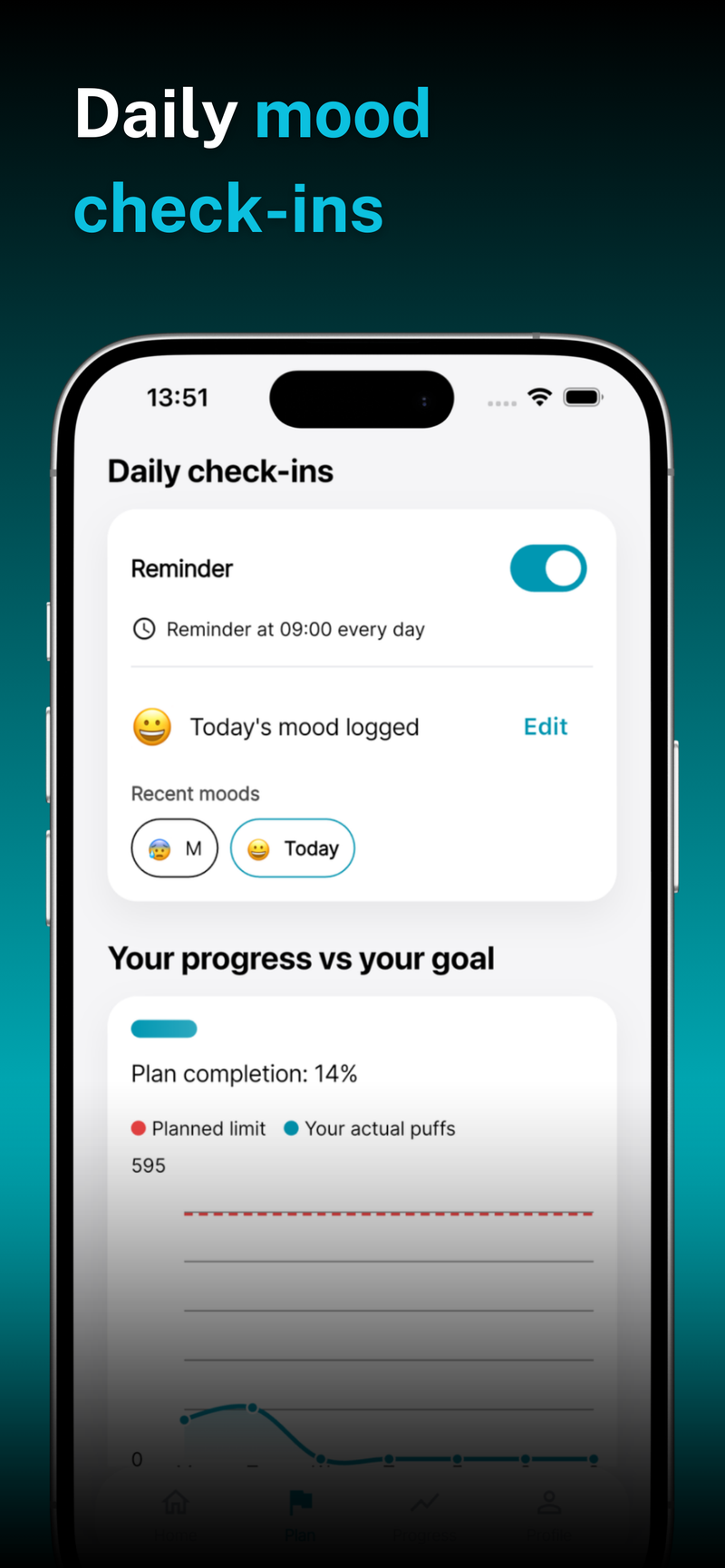

💪 Onboarding & Personal Setup