Introduction
Big life goals—owning a home, funding college, planning a dream wedding, or building a secure retirement—often feel out of reach even when we stay on top of daily expenses. The gap isn’t a lack of desire; it’s that big numbers don’t translate neatly into month-to-month plans. The good news is you can budget for ambitious aims by turning them into smaller, doable steps that fit your family's real life.
Map goals to numbers
Start with clarity
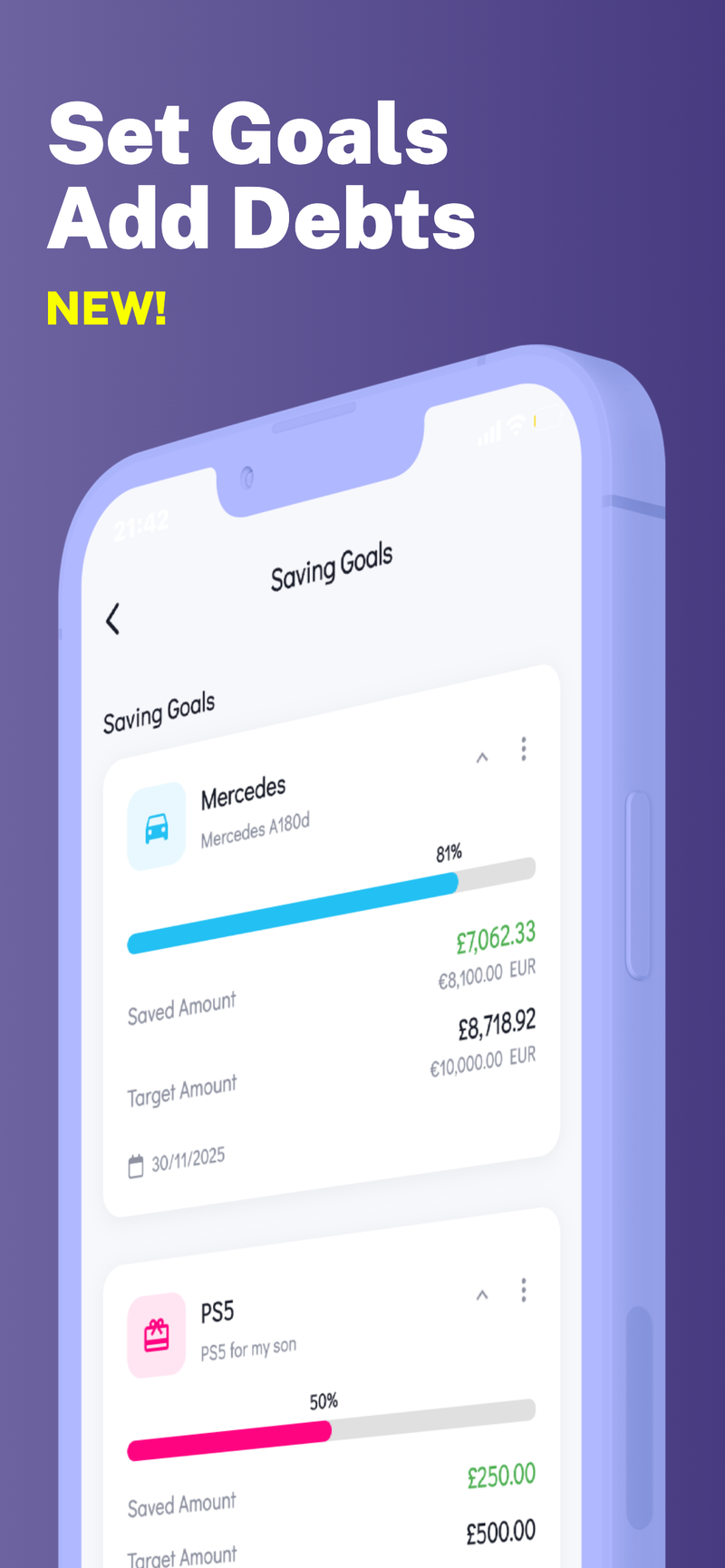
List each goal with a target amount and a target date.Note any existing savings specifically earmarked for that goal.Break each goal into a monthly savings amount. A simple way: (target − current savings) ÷ number of months until the deadline.Create “sinking funds” for each goal: separate savings buckets (even if in the same bank) dedicated to individual goals.Concrete example
Goal 1: Home down payment — $60,000 in 5 yearsCurrent savings: $8,000Months: 60Monthly target: (60,000 − 8,000) ÷ 60 ≈ $866Goal 2: College fund — $25,000 in 12 yearsCurrent savings: $2,000Months: 144Monthly target: (25,000 − 2,000) ÷ 144 ≈ $158If you can earn modest returns or contribute more earlier, you can reduce the required monthly amount over time. Use conservative growth estimates to set realistic targets.Build a flexible framework
Base your budget on a simple rule: allocate money first to goals, then to needs, then to wants. A common starting point is the 50/30/20 rule, but you can tailor it:Goals-first: 20% to sinking funds, 50% needs, 30% wants.Debt-heavy: 20% debt payoff, 40% needs, 40% goals/wants.Strong saver: 60% needs, 20% debt, 20% goals.The key is to choose a baseline you can sustain month after month.Automate and monitor
Make it automatic
Set up automatic transfers on payday to each goal’s sinking fund. Treat these transfers as essential bills, not discretionary leftovers.Automate contributions to an emergency fund (typically 3–6 months of essential expenses) before other discretionary goals.Track progress regularly
Review goal progress monthly. If a deadline slips, adjust by extending the horizon or increasing monthly contributions when possible.Re-evaluate goals every 6–12 months: life changes (new job, new child, relocation) can shift priorities and timelines.Manage irregular income
If income fluctuates, base your plan on a conservative monthly average and add a 10–20% cushion when possible.Use a “buffer month” fund to cover months with lower income or unexpected expenses without derailing goals.Prioritize emergency fund and debt
Before aggressively funding long-term goals, ensure you have an emergency cushion. A 3–6 month expense fund protects your goals from life’s surprises.Consider the debt landscape. If interest rates are high, a debt-payoff plan can free up more money for goals later. You can switch between debt payoff strategies (avalanche vs. snowball) as circumstances change.Involve the family
Schedule a monthly family budgeting check-in. Share progress, celebrate small wins, and reassign responsibilities so everyone feels part of the plan.Assign roles: one person tracks expenses, another monitors sinking funds, and a third reviews upcoming big purchases or events.Tie goals to tangible motivations: a family trip, a shared fund for a new bicycle or kitchen remodel, or college savings for a child.Practical steps you can take this month
1) List your top 3–5 life-goal targets with amounts and deadlines.
2) Create separate sinking funds for each goal, even if they sit in one bank account.
3) Set up automatic transfers on payday to each sinking fund and to your emergency fund.
4) Revisit your budget using a simple baseline (for example, 50/30/20 or your chosen variant).
5) Track actual vs. planned contributions for 2–3 months to identify gaps.
6) Schedule a quarterly plan review to adjust for life events or shifting priorities.
Pitfalls to avoid
Underestimating true costs or inflation for long-term goals.Ignoring the impact of debt and interest when calculating how much you can safely save.Treating savings for goals as an afterthought; make them a fixed line-item on the budget.Waiting for a “perfect” month to start—start small and increase as you stabilize.Real-world takeaways
Turn ambition into cadence: broken into monthly savings, it becomes manageable regardless of income level.Separate goals from daily spending: clear real allocations prevent bleeds from discretionary purchases.Keep it simple: a handful of sinking funds can cover multiple big goals without creating chaos.Conclusion
Big life goals don’t have to stay out of reach. By clarifying what you want, translating those targets into monthly contributions, and keeping a flexible, family-centered process, you can move steadily toward major milestones without sacrificing everyday life. When you automate, review, and adjust, progress compounds—and your future self will thank you.
If you’re looking for a privacy-focused tool to help manage multiple family budgets and goals with ease, consider Fokus Budget. It emphasizes secure, on-device data and supports features like Multi-Profile Support to keep personal, family, and other budgets neatly separated, helping you stay organized as you work toward future milestones.