
·Budgeting
Budget for Seasonal Income Gaps: Practical Guide
Seasonal income gaps can derail budgets. Learn how to forecast income, build a sinking fund, and adjust spending to weather lean months. This practical guide provides actionable steps to stay financially steady year-round.
personal financebudgetingincome volatilityfinancial planningcash flow
Budget for Seasonal Income Gaps: Practical Guide Have you ever felt like your money disappears the moment the calendar turns to a slower season? If your paycheck comes in waves—seasonally, from freelancing, or from retail hours that spike during holidays—you’re not alone. Seasonal income gaps are real, and they can derail even the best-intentioned budgets if you don’t plan for them. In this guide, you’ll learn a practical, actionable approach to forecast income, build a cushion, and adjust spending so your finances stay steady when cash flow tightens. ## Understand your income patterns Before you can manage seasonal gaps, you need a clear picture of when they happen and how big they are. - Track income for the past 12 months (or as far back as you can). Note which months are high, which are low, and how much you typically receive in each period. - Identify at least three, recurring “lean” months where income tends to fall short of expenses. - List all reliable income sources (wages, freelance work, tips, side gigs) and their typical variation. Even a small side stream can make a meaningful difference when pooled with a larger cushion. - Build a simple calendar view that marks peak months and lean months. This doesn’t have to be fancy—even a labeled notebook or a spreadsheet works. The goal is to visualize your year at a glance. Why this matters: knowing when money is tight helps you automate and prioritize so you’re not reacting in the moment. ## Build a flexible fund: the sinking fund concept A sinking fund is money set aside gradually to cover future expenses or income gaps. For seasonal income, you can use sinking funds to smooth the roughest months. - Start with a target: aim for 3–6 months of essential expenses as a baseline cushion. You may extend this for households with high fixed costs or fewer predictable income months. - Define essential costs: housing, utilities, groceries, healthcare, minimum debt payments, transportation. Separate these from discretionary spending. - Create seasonal buckets: one bucket for the “lean months” shortfall and another for irregular but predictable annual costs (insurance renewals, property taxes, school supplies). - Decide a realistic contribution rate: if you want the cushion ready in 12 months, divide your target by 12 and set that as a monthly transfer. If you can save faster, you’ll reach the goal sooner. - Automate and separate: use separate subaccounts or labeled categories to keep the cushion distinct from daily spending. Automatic transfers help you stay on track even when emotions tempt you to spend. Example: If essential monthly costs average $2,800 and you want a 4-month cushion, you’re targeting $11,200. Saving $935 per month for 12 months achieves that goal, assuming you keep the funds accessible but separate from everyday spending. ## Create a seasonal budgeting framework A flexible framework helps you allocate money wisely across the year rather than reacting month by month. - Core structure: Essentials, Flexible/Discretionary, Savings/Investments. In lean months, lean more on the cushion; in peak months, you can accelerate debt repayment or grow the sinking fund. - Seasonal adjustments: allow yourself to shift allocations based on actual income in a given month. If you earn more than expected, prioritize funding the lean-month cushion or paying down debt; if you earn less, pull from the cushion rather than cutting essentials. - The envelope mindset, digitally: label categories as Envelopes (Essentials, Flex, Sinking Fund). When spending exceeds a category, you adjust other areas rather than breaking a rule. - Spending rules for lean months: cap discretionary expenses, pause nonessential subscriptions temporarily, and use a pre-committed amount for entertainment rather than unlimited boldly labeled “fun funds.” Practical steps: - Forecast each month’s income and essential costs for the next 12 months. - Allocate the first portion of high-income months to the sinking fund and lean months to the cushion. - Treat the cushion as “must-have” money, not “extra” spending. ## Timing and cadence Regular check-ins are critical when margins are tight. - Monthly review: compare forecast with actual income and adjust categories accordingly. - Rolling 12-month view: keep the bigger picture in sight, so you don’t spike spending in a peak month and then scramble in a lean one. - Quarterly stress tests: run a scenario where income drops by a fixed percentage for 2–3 months. Confirm you can cover essential costs and still fund the sinking fund. - Use alerts or reminders to trigger transfers during high-income periods so you don’t rely on willpower alone. ## Practical steps you can implement this week 1) Map a 12-month forecast for income and essential expenses. 2) Set up two sinking fund buckets (Lean Month Cushion and Annual Essentials). 3) Choose a monthly contribution target and automate it. 4) Create a simple cap on discretionary spending in lean months (e.g., 20% of take-home for non-essentials). 5) Review and adjust on the same day each month. 6) Track performance with a single dashboard or notebook entry to see progress over time. If you prefer real-world discipline, pair these steps with a weekly check-in: a 15-minute money review on a chosen weekday can help you stay ahead of surprises. ## Real-world example Alex runs a part-time fitness coaching business and works seasonal shifts at a gym. Summer income is steady but fall/winter dips are pronounced. By building a sinking fund targeting four months of essential costs and using lean-month rules to trim discretionary spending, Alex kept essential bills paid during shoulder seasons and avoided debt. When a surprise medical expense arose in winter, the cushion absorbed the hit without derailing the overall plan. This approach doesn’t require perfect forecasts. It requires a dependable structure: know your numbers, set aside when you can, and spend deliberately when you must. ## Tools, habits,
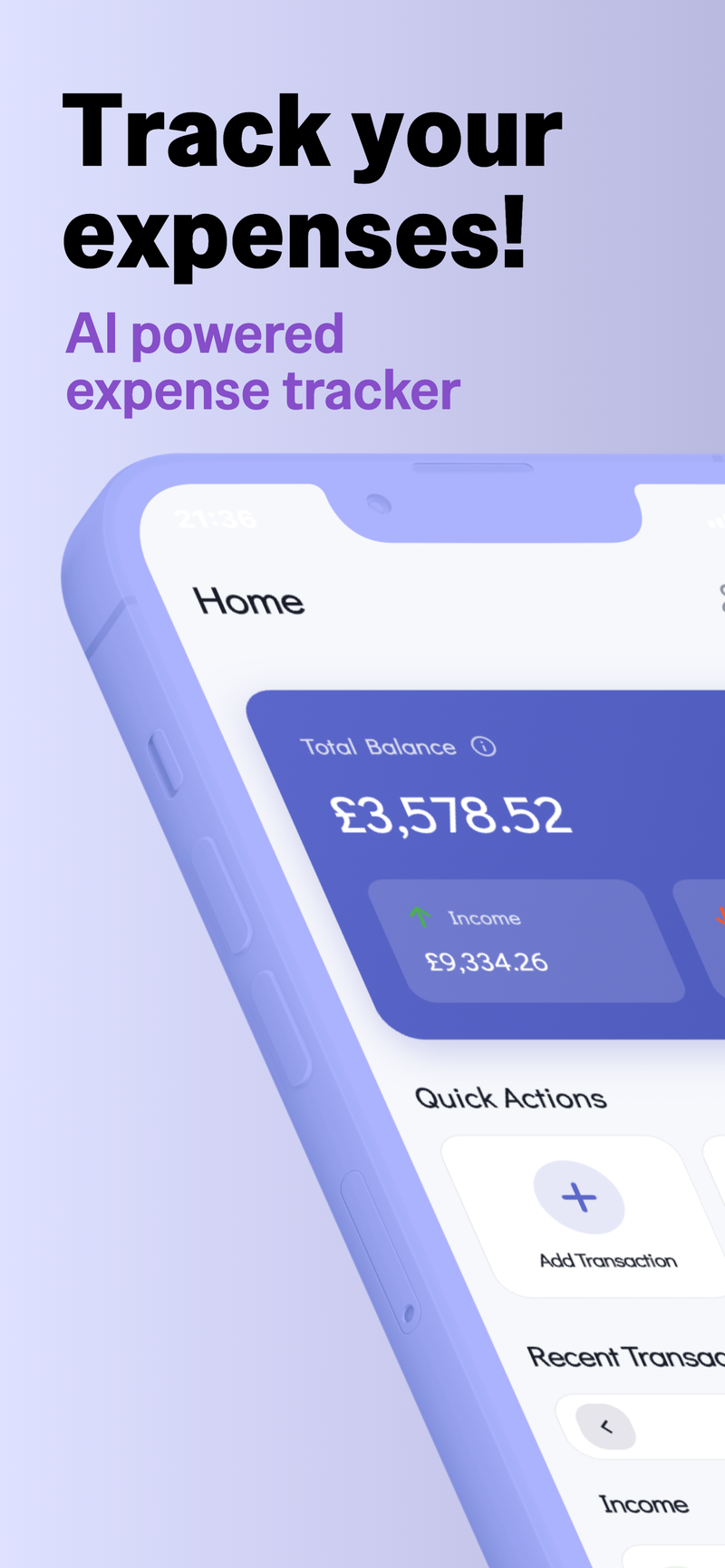
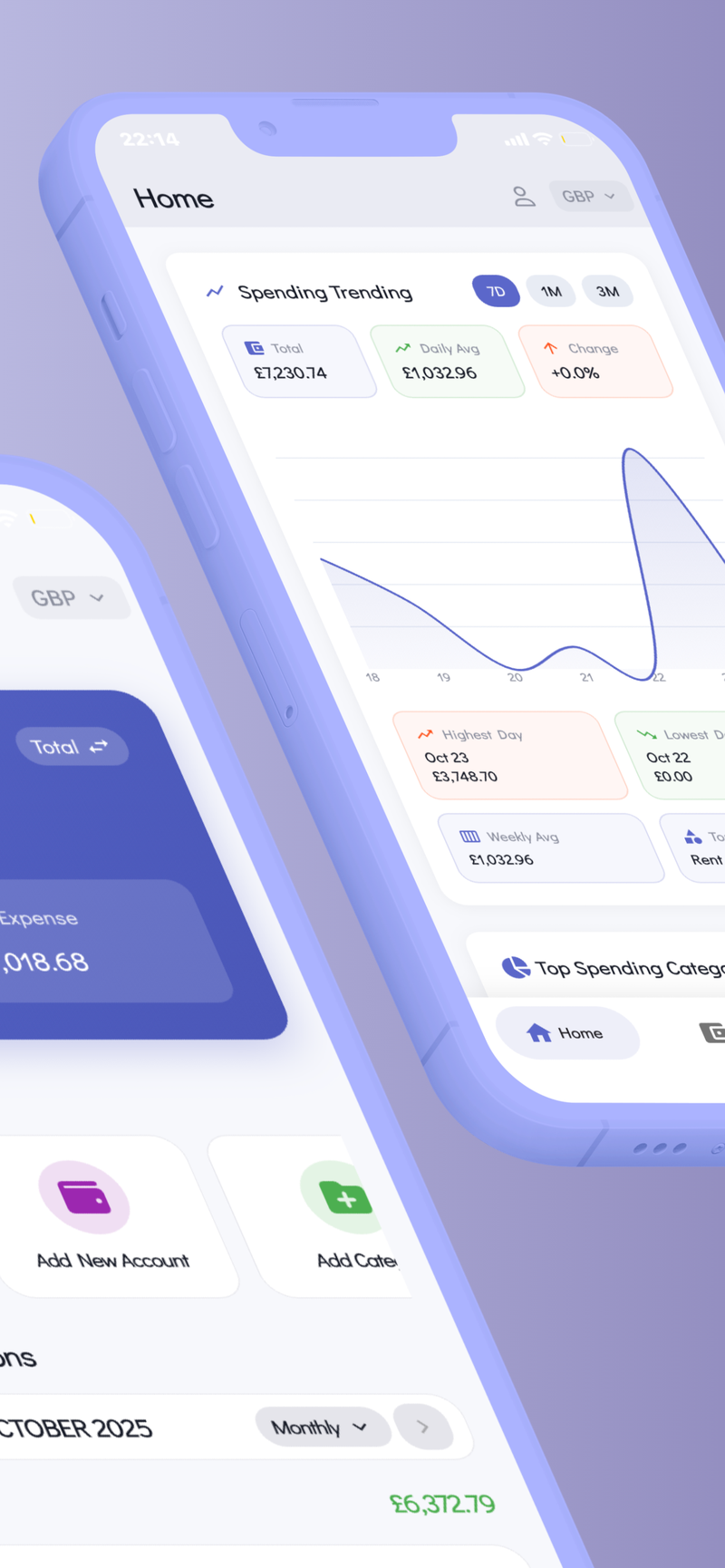
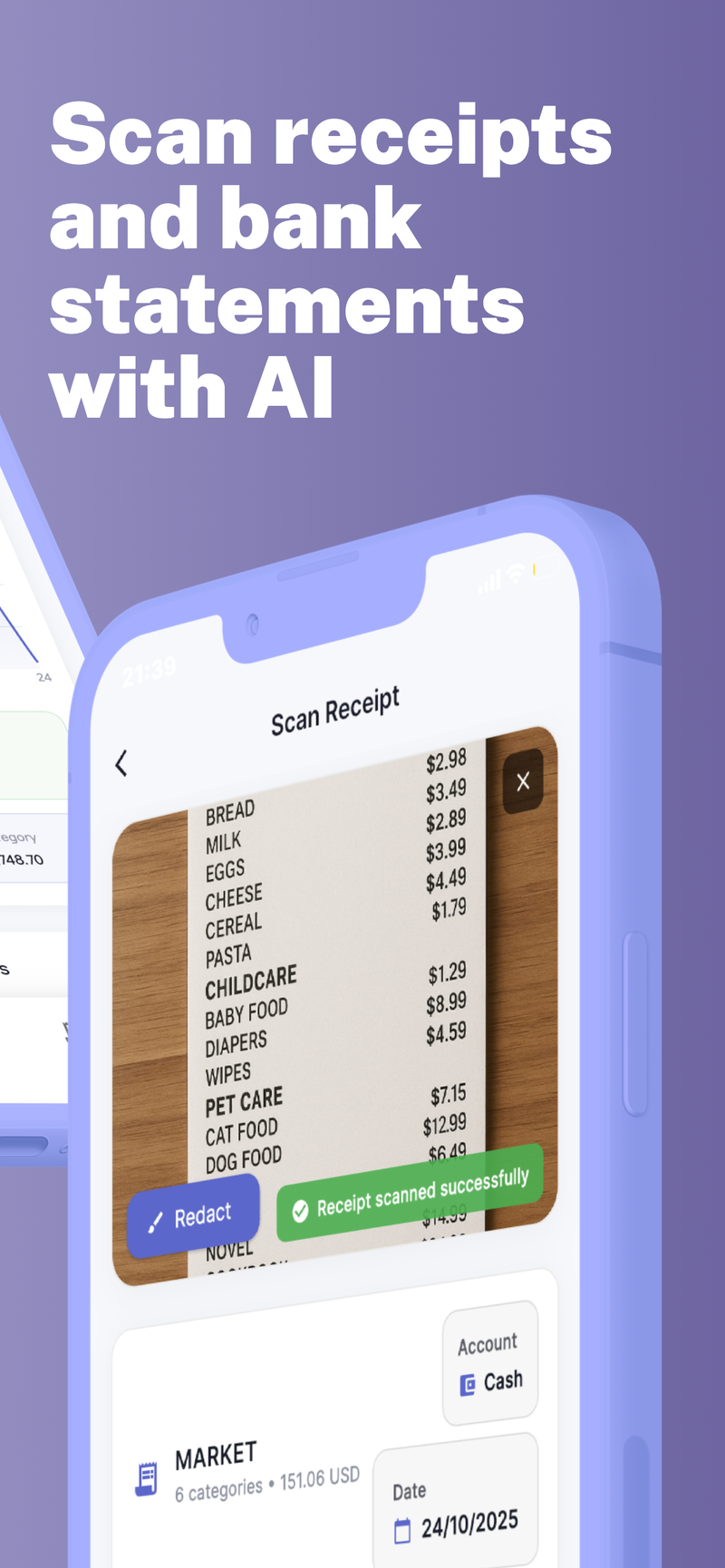
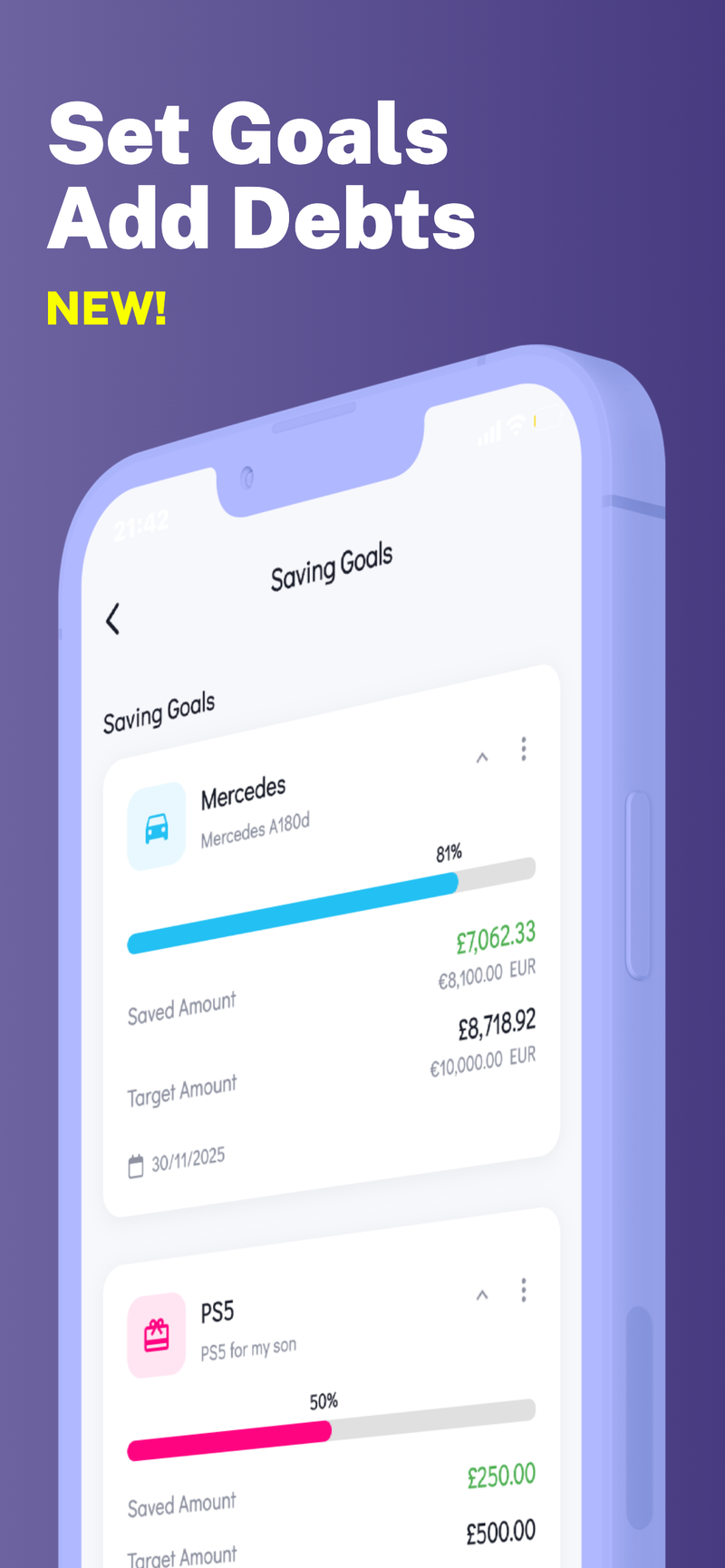

AI Receipt ScanningMulti-CurrencyBank ImportPrivacy-First
✨ Multi-Profile Support