Introduction
Have you ever faced an unexpected bill that sends your budget into a tailspin? You’re not alone. In 2023, the Federal Reserve found that 40% of adults couldn’t cover a $400 emergency with their savings. Emergencies happen, but panic is optional. A clear, repeatable plan helps you respond calmly, protect your long term goals, and avoid debt. This article lays out a practical 4-step framework to build a cushion, forecast shocks, keep liquidity ready, and practice until staying on track feels natural.
Step 1 — Build a cushion you can rely on
What belongs in the cushion: think essential monthly costs such as housing, utilities, groceries, healthcare, transportation, and minimum debt payments.How much to save: aim for 3–6 months of essential expenses. If your essential costs come to $2,400 a month, your cushion should be roughly $7,200 to $14,400.How to fund it quickly:Set up a separate savings account labeled Emergency Cushion and automate transfers from your checking on payday.Start with an amount you can live without missing, then increase as you can.If you receive windfalls or extra income, funnel a portion or all of it toward this cushion.When to review: reassess every 6 months or after big life changes like a job switch, move, or new debt.Why this matters: a robust cushion reduces the likelihood you’ll reach for high-interest debt when bills arrive, and it buys you time to choose a thoughtful solution rather than an impulsive one.
Step 2 — Forecast the surprises you’re likely to face
Which costs count: common shocks include car repairs, medical bills, home repairs, pet emergencies, and unexpected travel or childcare costs.Turn forecasts into monthly saves:Create a short list of the top 10 likely costs and estimate their annual total.Divide by 12 to get a monthly target for each category.Automate transfers into dedicated sinking funds for each category. For example, car repair $1,200/year becomes $100/month; home repairs $600/year becomes $50/month; annual insurance $1,200 becomes $100/month. Total monthly allocation grows your reserve without forcing big one-time contributions.Review and adjust: life changes, income shifts, or new risks mean you should update these targets at least annually.Why this matters: thinking ahead reduces anxiety when the first bill arrives. You’ve already earmarked funds for the most plausible shocks, so you don’t scramble to cobble together cash.
Step 3 — Create rapid-access liquidity
Liquidity tiers:Tier 1 (fast access): 1–2 months of essential expenses in a highly accessible savings vehicle for quick use.Tier 2 (cushion): the larger emergency fund (3–6 months) kept in a separate, insured, reasonably liquid account.Where to keep funds: choose insured, low-risk options with straightforward access. Avoid tying these funds to volatile investments; the goal is stability and quick withdrawal.How to use in an emergency:Pay the urgent bill from Tier 1 first.If the expense exceeds Tier 1, draw from Tier 2 and replenish Tier 1 as soon as possible.Replenish after every withdrawal using automatic transfers to rebuild the pace of savings.Why this matters: quick access prevents you from taking on debt in the moment and keeps your long-term plan intact.
Step 4 — Practice, review, and adjust
Drills you can run:Run a small drill for a $500 surprise and a larger one for $2,000. Note how fast you access funds and how smoothly you replenish.Do this quarterly to stay prepared and to test if your automatic transfers are keeping pace.Replenishment rules:If you dip into Tier 1, set a concrete target to refill within 1–3 months.If you dip into Tier 2, plan to restore the larger cushion within 3–6 months.Life events and adjustments:Significant changes such as a new job, a move, or a health change may require recalibrating the cushion size and sinking funds.Keep a simple one-page update checklist so the plan remains actionable, not overwhelming.The goal of Step 4 is to turn resilience into a habit. When a surprise hits, you respond with a plan you’ve practiced, not panic.
Conclusion
A calm, proactive approach to unexpected expenses hinges on four things: a solid cushion, forecasts that translate into regular savings, easy access to liquidity, and regular practice. By building these layers, you reduce stress and stay on track toward your longer-term goals.
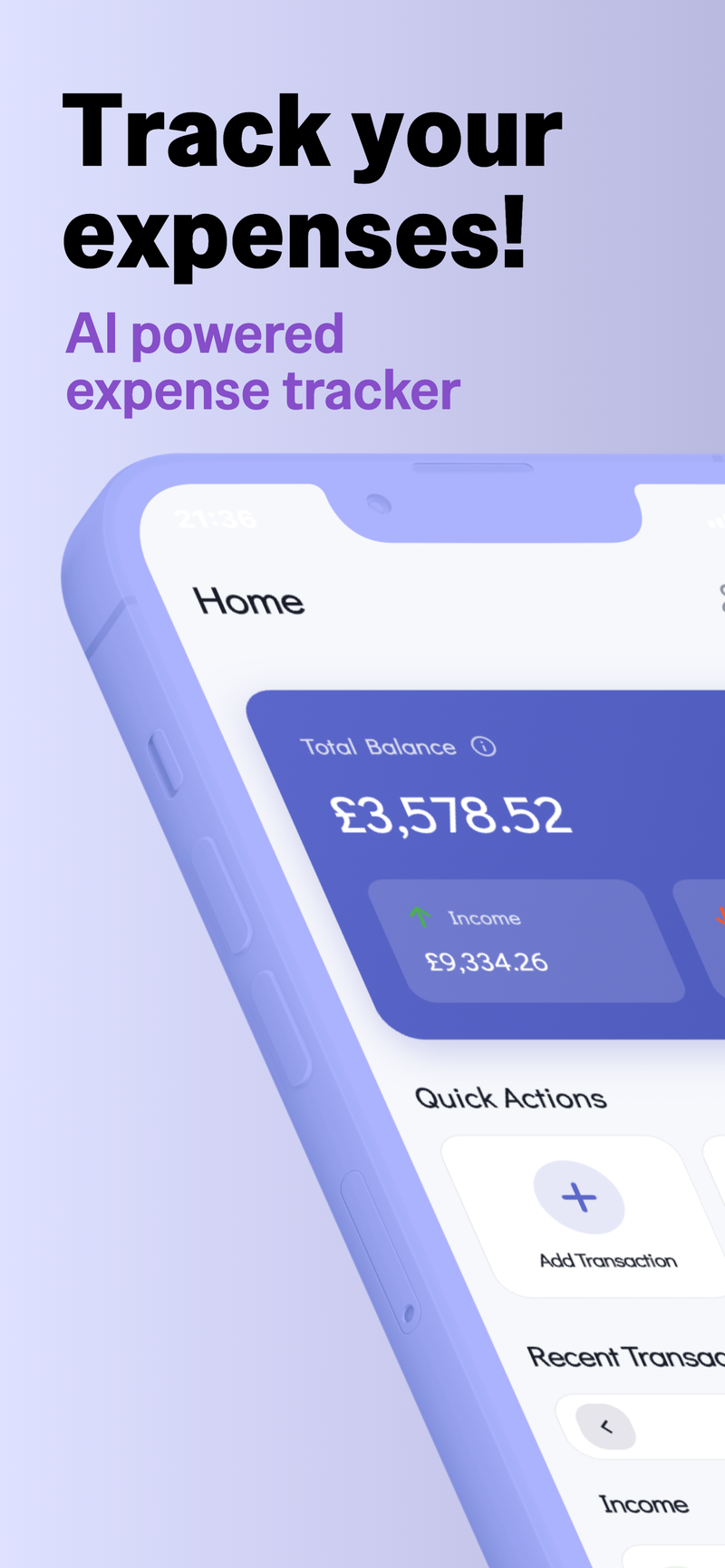
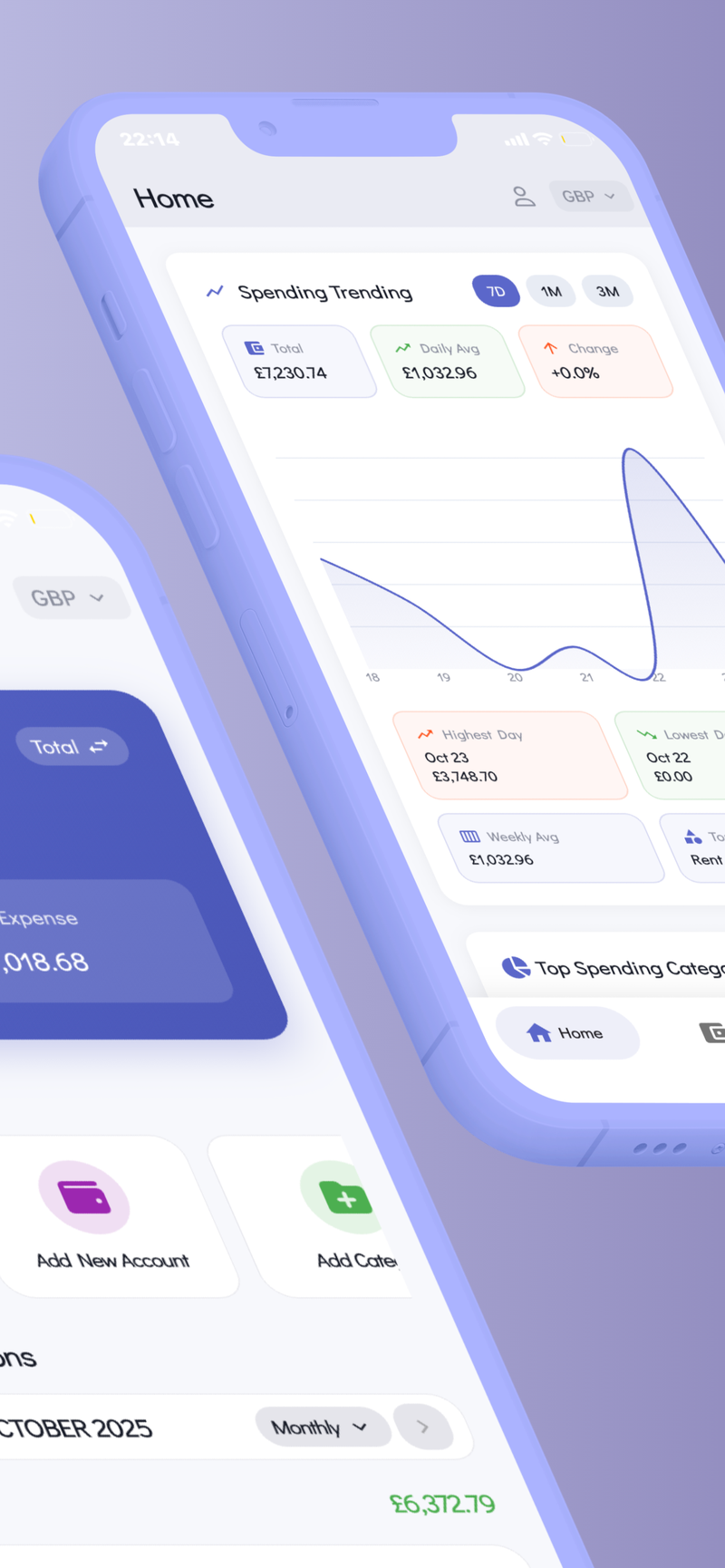
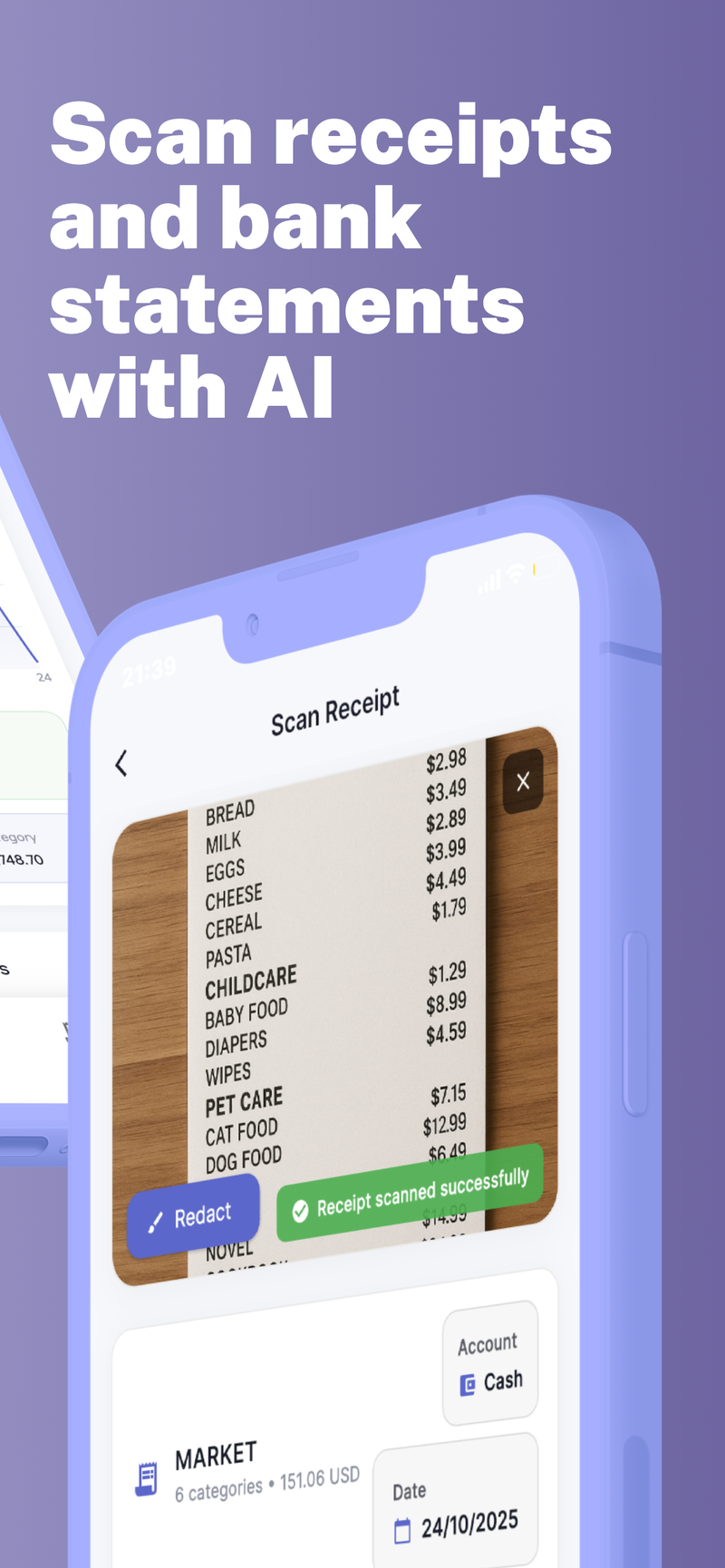
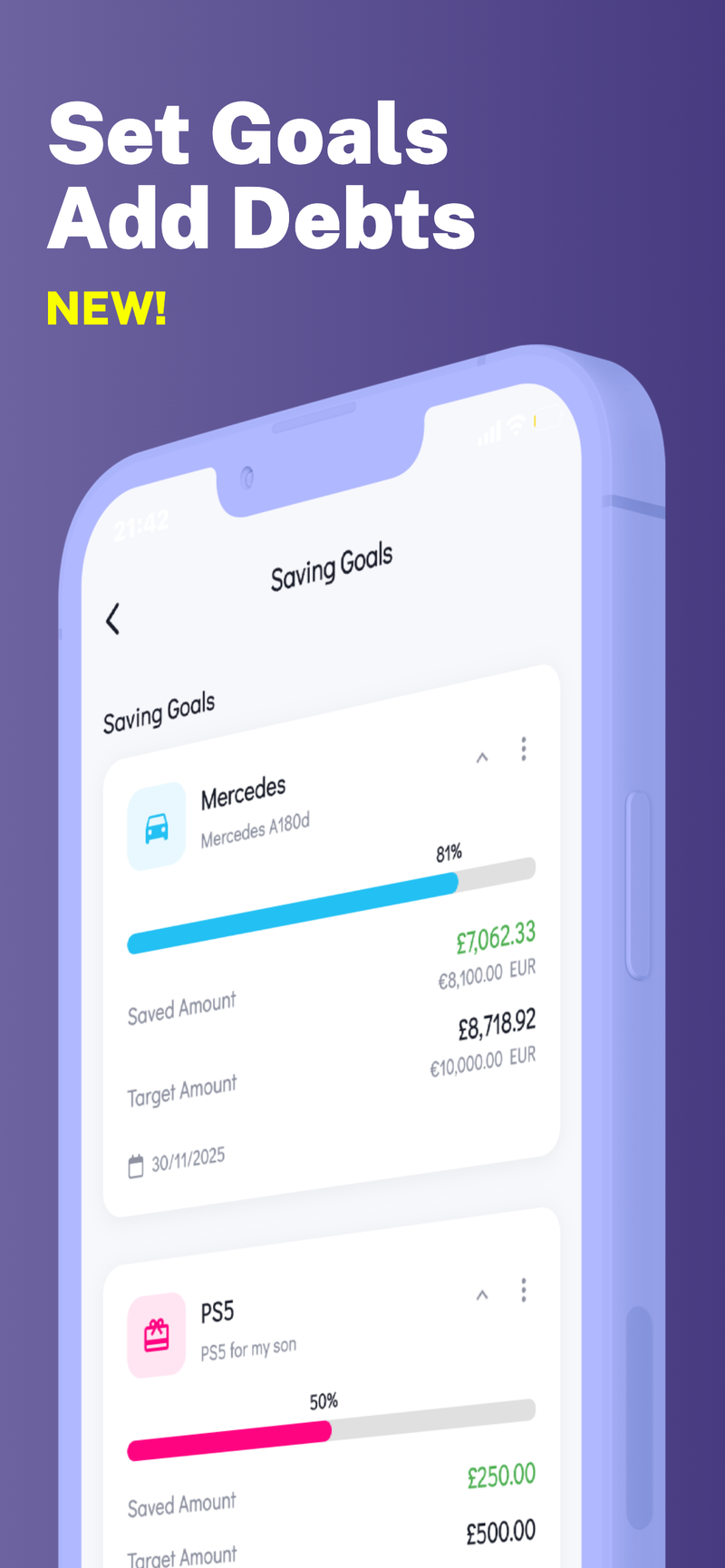
If you ever want a tool to help you organize these steps while keeping your data private, consider Fokus Budget. It offers Multi-Profile Support to manage budgets for different family members or purposes in one place, with on device privacy to keep your financial data secure. It’s a helpful reminder that you don’t have to do this alone or with ad hoc spreadsheets alone.