
Budget Seasonal Expenses Without Stress: Practical Tips
Seasonal expenses can surprise even careful households. This guide offers a practical, step by step approach to map, estimate, and fund holiday, school, and travel costs, reducing stress and debt risk. A simple sinking-fund framework and disciplined review cadence can transform seasonal spending into a predictable, manageable part of your budget.
Introduction
Do seasonal expenses sneak up on you every year, turning peace of mind into a budgeting scramble? If you feel the pinch whenever holidays, school costs, or family trips roll around, you aren t alone. Seasonal spending often catches families off guard because it doesn t happen in one fell swoop. It arrives in bursts—gifts in December, clothing for back to school, travel in summer—so it helps to approach it as a simple, repeatable process rather than a crisis plan.
The good news is that with a clear calendar, realistic estimates, and a few smart habits, you can reduce surprise costs and keep your overall finances on track. Here s a practical framework you can start today.
Main Content
H2 Identify your seasonal expense calendar
Tip: create a simple one-page calendar or a column in your budgeting tool that shows each category with a rough month and a proposed cushion.
H2 Estimate costs realistically
Example: if last year you spent about 600 on holiday gifts and parties, target 660-690 this year depending on potential price changes and family plans.
H2 Set up sinking funds for seasonal savings
Practical steps:
1) Open a separate savings account or use envelopes if you prefer cash style tracking.
2) Automate transfers on your payday to each sinking fund.
3) Review balances quarterly and adjust if costs rise or you ve added new categories.
H2 Prioritize and trim where possible
Tip: set a cap for each category and an overall seasonal cap. If you ve hit the cap early, pause nonessential purchases and revisit next month.
H2 Manage payments and debt risk
H2 Automation and review cadence
H2 A simple seasonal plan you can copy
1) Create a master list of categories with a rough yearly total.
2) Break each total into monthly targets and a cushion for inflation.
3) Set up a sinking fund for each category and automate monthly deposits.
4) Prioritize essential costs and look for savings in nonessential areas.
5) Review quarterly and recalibrate for the next season.
Conclusion
Seasonal expenses don t have to derail your budget. With a clear map of when costs will hit, realistic estimates, and steady sinking funds, you can smooth out the peaks and avoid debt spirals. The goal is to keep spending aligned with your income, not to eliminate joy or important plans.
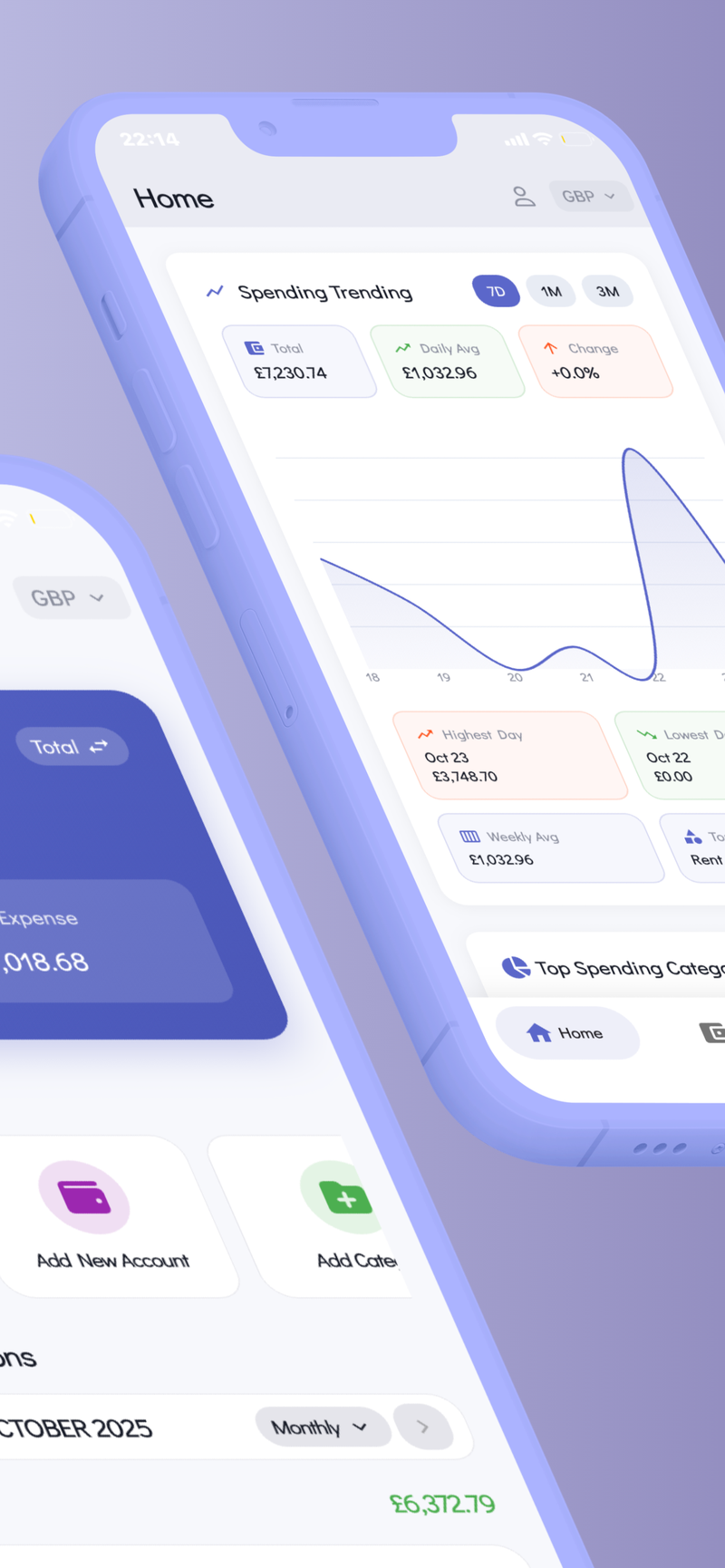
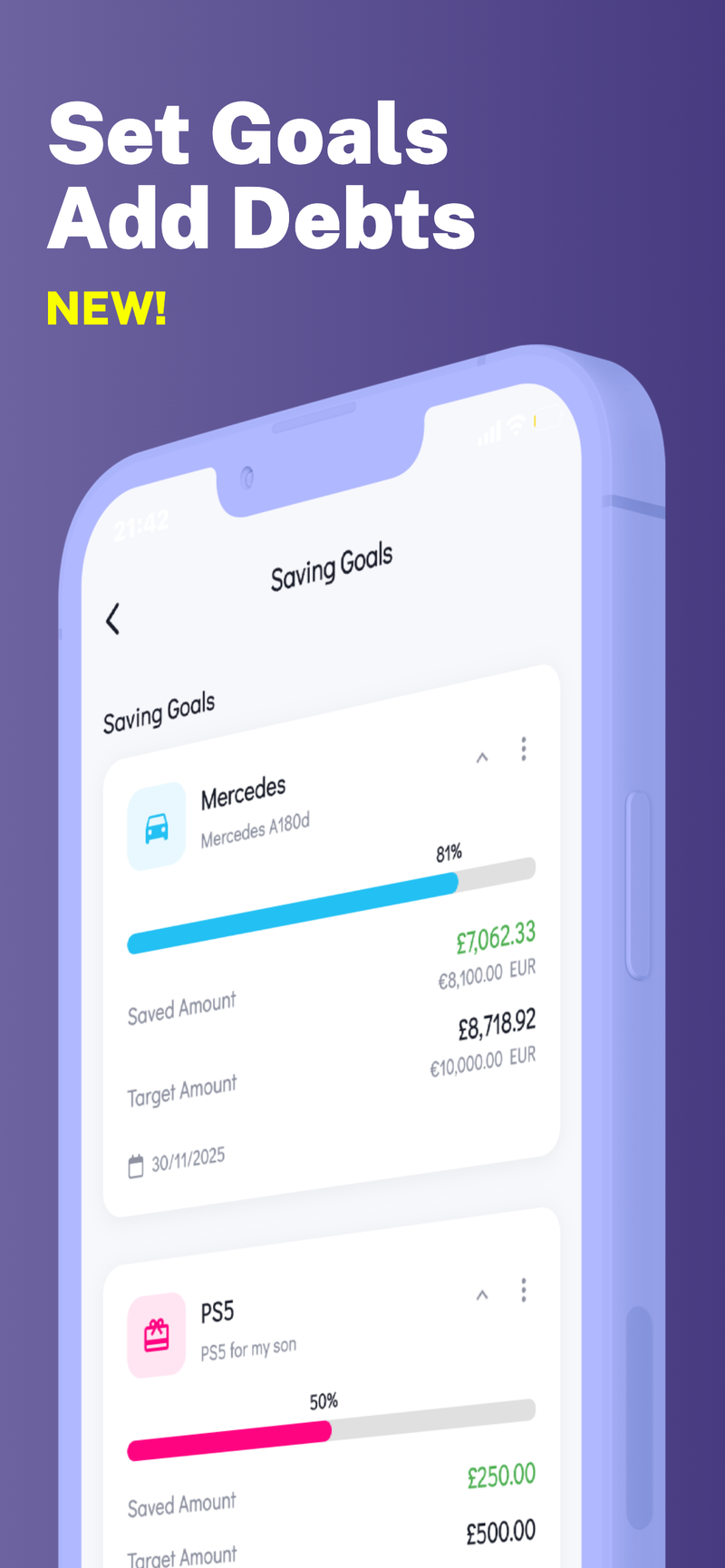
If you want extra support to stay on top of multiple budgets and profiles, consider a private budgeting tool that keeps data on your device and offers flexible organization for family finances. Fokus Budget can help with this, offering privacy focused on device and the ability to manage multiple profiles so you can separate personal, family, and business finances while keeping everything in one place.
Promoted feature: Privacy-focused on-device data storage.



✨ Privacy-focused on-device data storage