
·Budgeting
Budgeting for Irregular Incomes: A Practical Family Guide
Irregular family incomes can feel chaotic, but you can create a resilient budget by defining a conservative floor, building an emergency fund, and using sinking funds for irregular expenses. Learn practical steps to forecast, adjust, and protect essentials without anxiety.
personal-financebudgetingfamily-financesincome-variabilityfinancial-planning
Introduction If your household income ebbs and flows—freelance gigs, seasonal work, commissions—you’re not alone. The challenge isn’t a fixed monthly paycheck; it’s keeping essential needs met while navigating months that feel uncertain. The goal isn’t to predict every paycheck perfectly, but to create a system that adapts, protects your family, and still moves you toward your long-term goals. This guide offers practical steps you can implement today. You’ll learn how to define a floor for essential spending, build buffers for irregular months, and forecast in a way that actually informs decisions—not paralyzes them. ## Main Content ### 1) Separate essentials from the rest - List every expense you must cover to keep your home running: housing, utilities, groceries, transportation, healthcare, childcare, minimum debt payments. - Then list non-essentials: dining out, extra subscriptions, discretionary purchases. - For each item, ask: would this still be possible if income dropped by 20-50% for a month or two? Why this matters: when income is uncertain, you want a concrete boundary between what you must fund and what you can adjust. A clear essentials bucket reduces stress and makes it easier to cut back when money is tight. ### 2) Define an income floor (your conservative monthly budget) - Gather 6–12 months of income history (or as much as you can). Identify a conservative floor you can rely on for essential spending. A practical approach is to use the average of your lowest 3 months, or a rolling average over the last 3 months if your income is volatile. - Use this floor to model a “survival” budget: cover essentials first, then decide what to do with the rest. - If you don’t have 6–12 months of data, start with your current month and adjust as you gain more history. This floor is not a ceiling; it’s a safety net. It tells you what you can count on and helps you plan how to ride out leaner periods without spiraling. ### 3) Build a robust emergency fund (3–6 months of essentials) - Target 3–6 months of essential expenses (the floor amount). If your floor is $2,500, aim for $7,500–$15,000 depending on family size, debt, and job security. - Automate a savings cadence that aligns with your cash flow. In months when income is higher, push a larger chunk toward the emergency fund; in leaner months, maintain the cadence even if it’s smaller. If you’re starting from scratch, break the goal into milestones (e.g., $1,000, then $3,000, then $6,000) and celebrate each milestone. ### 4) Create sinking funds for irregular expenses - Identify predictable irregular costs: car repairs, medical copays, school supplies, annual insurance premiums, gifts. - Set up separate sinking funds for each category and contribute regularly, even if small. The idea is to smooth predictable spikes so they don’t derail your cash flow when they arrive. - Frequency matters: monthly contributions beat waiting until the expense shows up and triggers a budget scramble. ### 5) Build a flexible budget framework - Stage your allocations by a simple hierarchy: 1) Essentials first (housing, utilities, food, health, childcare). 2) Debt minimums or savings (avoid missing debt payments or derailing savings goals). 3) Sinking funds for known irregulars. 4) Discretionary spending only after the above are funded. - Create three forecasting modes: - Floor forecast: based on your income floor, plan essentials first. - Normal forecast: use your typical income to fund savings and sinking funds. - Surplus forecast: when income exceeds expectations, allocate extra to debt payoff or investments. This layered approach keeps you agile and reduces the all-or-nothing mindset that often accompanies irregular incomes. ### 6) Forecast, then adjust in real time - Each month, estimate income using a realistic range (low, typical, high) and map out the allocations for essentials, debt, savings, and sinking funds. - Track actuals against the forecast. If you under- or over-spent in a category, adjust the next month’s allocations rather than reacting with panic. - Use a simple habit: at the end of every month, review the variance, identify which categories caused the gap, and adjust your floor or sinking funds accordingly. Why it helps: predictable adjustments beat dramatic shifts. You’ll learn where volatility lands in your budget and how to cushion it. ### 7) Practical tips and guardrails - Keep a minimum balance in a basic checking account as a “cash runway” for two weeks of essential expenses to avoid missed payments. - Prioritize debt payments with the smallest or highest-interest balance to reduce risk during lean months. - If possible, diversify income sources (part-time work, freelancing, passive streams) to soften spikes and drops. - Automate what you can, but review automation monthly to ensure it reflects current priorities. ### 8) A quick example (illustrative, not prescriptive) Ana and Luis rely on a mix of gig work and a small salary. Their essential monthly spend runs about $2,800. They build an emergency fund targeting $8,400 (3 months of essentials) and set up sinking funds for car maintenance ($600/year), school supplies ($400/year), and annual insurance ($1,200/year). - Floor income for months: $2,800 (their essential baseline). - In high-income months, they push extra into the emergency fund and sinking funds. - In lean months, they still fund essentials first, and defer non-urgent discretionary spending. This approach keeps them solvent during variability and gradually reduces financial anxiety over time. ## Conclusion Budgeting with irregular incomes isn’t about predicting every paycheck perfectly; it’s about building a resilient framework that prioritizes essentials, cushions volatility, and uses sinking funds to handle predictable spikes. Start with your true essentials, define a conservative floor, and seed a robust emergency fund. From there, a simple forecasting habit and regular reviews will transform chaos into a manageable
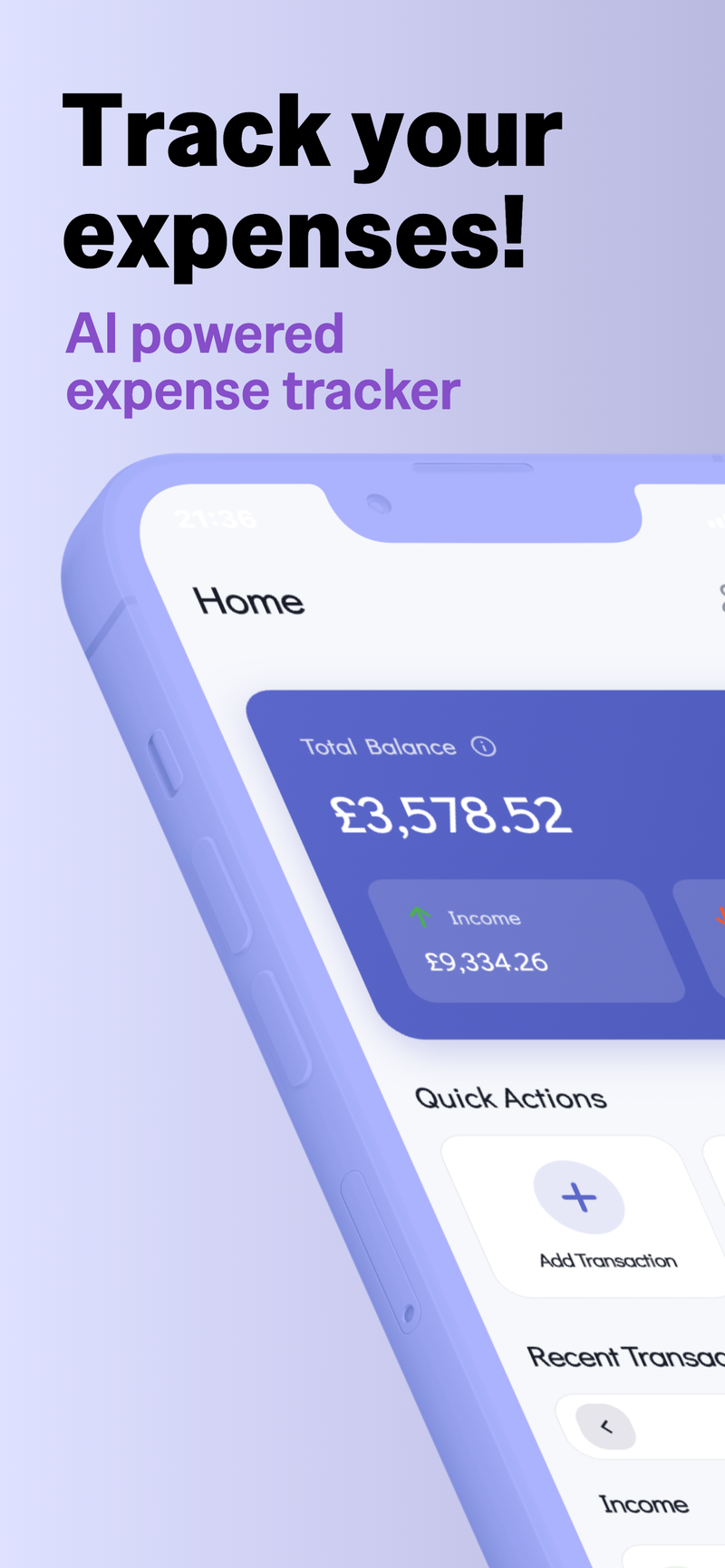
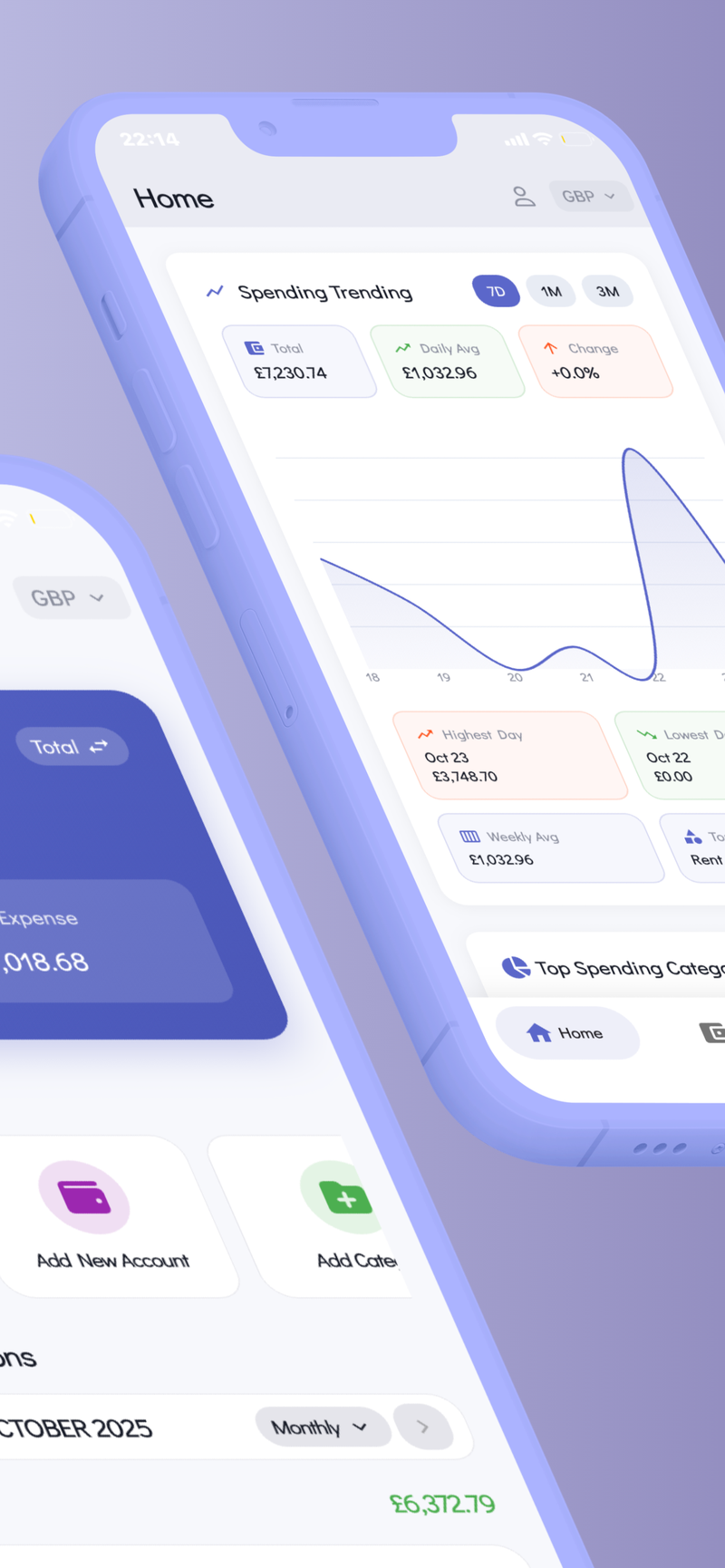
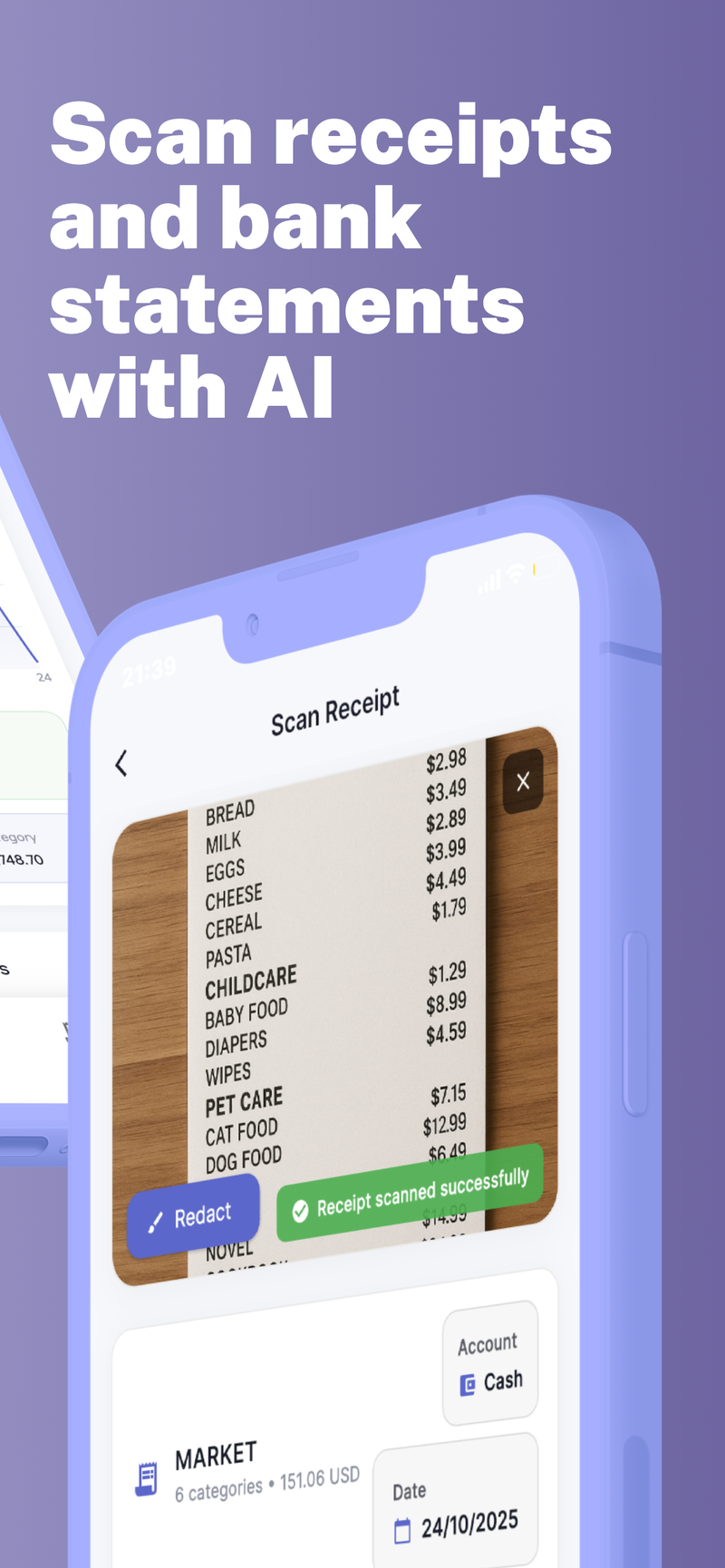
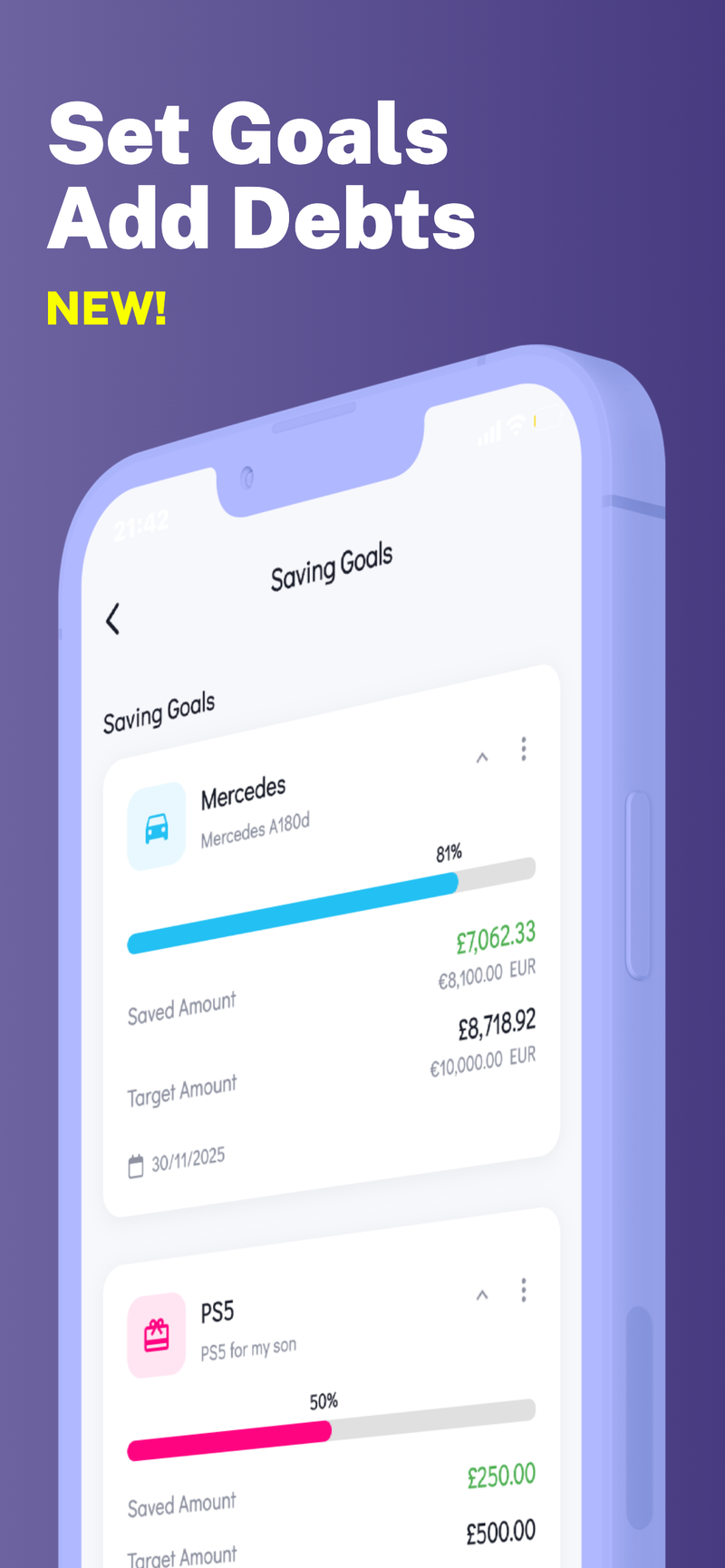

AI Receipt ScanningMulti-CurrencyBank ImportPrivacy-First
✨ Privacy-focused on-device data storage