Introduction
Cravings can feel random, fierce, and unstoppable—especially when you’re trying to quit smoking or vaping. The truth is, most difficulty isn’t just about nicotine; it’s about habits, stress, and routines that trigger urges. A structured plan gives you a predictable path you can follow, hour by hour, day by day.
This guide lays out a genuinely actionable 14-day craving-reduction plan. It’s designed to be practical, not promotional: you’ll learn how to choose a goal, map triggers, and build a daily framework that reduces urges and builds healthier habits. By the end, you’ll have a clear, repeatable method you can adapt to your life.
The 14-day craving-reduction plan: a practical framework
Step 1: Decide your goal
Choose between two aims: monitor & reduce, or quit completely.Set a realistic target for the 14 days, for example:Reduction goal: cut daily cigarettes or puffs by 50% by day 14.Quit goal: go 14 days without a cigarette or vape puff, with a plan in place for the next phase.Write down your goal and keep it visible as a daily reminder.Step 2: Identify triggers and log them
List common triggers (after meals, with coffee, during stress, with certain friends, etc.).Start a simple trigger log: time, situation, urge level (0-10), and what you did instead.Review weekly to spot patterns and adjust your plan accordingly.Step 3: Create a daily structure that supports cravings control
Morning: set a small goal for the day and a 5-minute activity to start it.Afternoon: a 5- to 10-minute reset when urges rise (breathing, stretch, quick walk).Evening: wind down with a routine that doesn’t involve cigarettes or vapes.Build consistency with 3 anchor moments each day where you pause and choose a replacement behavior.Step 4: Build your craving toolkit
Keep a small, ready-to-use set of strategies for a craving:
1) Deep breathing: try a 4-7-8 or box-breathing pattern for 60 seconds.2) Quick physical activity: a 5-minute walk, stairs, or a short stretch.3) Hydration and flavors: sip water, herbal tea, or a cooling mint.4) Substitutes: sugar-free gum, toothpick, or crunchy vegetables to satisfy oral sensing.5) Distraction: call a friend, listen to a podcast, or tidy a small space.Step 5: The day-by-day framework (14 days)
Day 1–3: Remove easy triggers and start a craving log. Establish your daily structure and pick 1-2 replacements for common rituals (e.g., coffee and a cigarette → tea and a brief walk).Day 4–7: Add consistency to your toolkit. Increase water intake, schedule a 10-minute activity after meals, and practice breathing during urges.Day 8–11: Strengthen routines and anticipation. Prepare for social triggers by telling 1-2 trusted people about your plan and arranging a supportive alternative activity.Day 12–14: Review progress and plan next steps. If you still have strong cravings, adjust targets slightly (e.g., reduce cigarettes/puffs by another 10–20%) and set a new 14-day window.Step 6: Coping with slips and relapse prevention
If a slip happens, pause for 5 minutes, re-rate the urge, and choose a replacement behavior.Revisit your trigger log to identify what led to the slip and adjust your plan accordingly.Remember: one slip doesn’t erase progress. Use it to strengthen your plan and move forward.Step 7: Track progress and refine
Keep a simple daily score: did you meet your goal for the day? (Yes/No)Record the strongest craving time and what you did to cope.At the end of day 14, review patterns and decide on next steps: maintain reduction, push toward complete quit, or adjust targets again.Practical tips and evidence-backed ideas
Cravings tend to peak quickly and fade within 5–20 minutes. Short, repeatable actions (breathing, water, movement) are often enough to ride out the urge.Small wins compound. A daily log and visible progress improve adherence and motivation.Social support matters. Share your plan with 2–3 people who can encourage you and hold you accountable.Sleep and stress management are protective factors. Poor sleep can amplify cravings, while regular exercise dampens them.Track the monetary impact. Calculating weekly savings reinforces motivation and can fund healthier substitutes.Conclusion
A 14-day craving-reduction plan works not because it eliminates urges, but because it changes how you respond to them. By defining a clear goal, mapping triggers, building a practical toolkit, and sticking to a simple daily structure, you create a resilient routine that lasts beyond the two weeks.
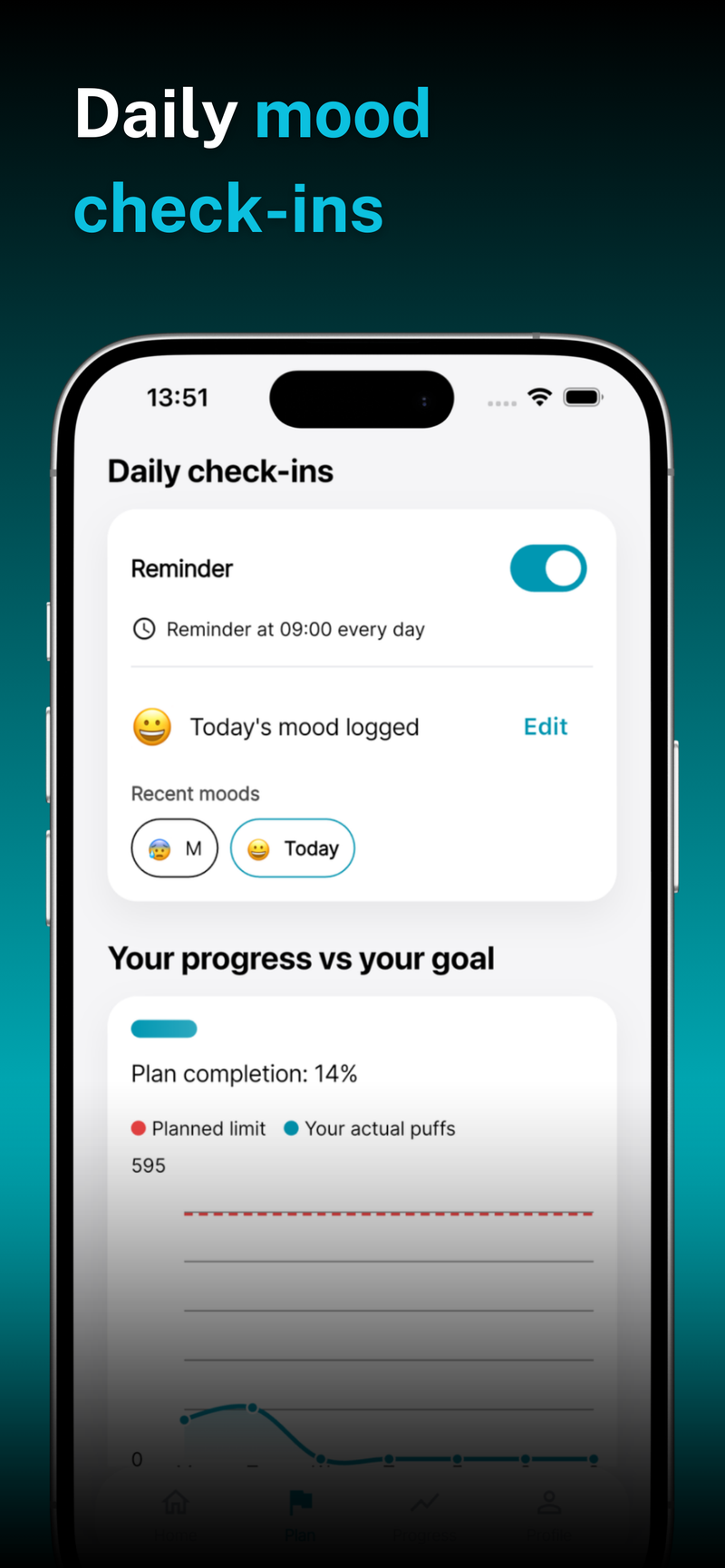
If you’re seeking additional structure and a tailored onboarding process to fit your cigarettes or vapes, consider a guided setup that incorporates your goals, triggers, and timeline. Quit Smoking & Vaping can help with this through Fokus Puff’s user-facing features, offering onboarding and personalization to support your plan while you rebuild healthier habits.