
·Budgeting
Build a Flexible Family Budget for Unexpected Expenses
Learn practical, real-world steps to build a flexible family budget that withstands unexpected costs. From emergency funds to sinking funds and monthly reviews, practical tips help you plan for surprises without derailing long-term goals.
personal financebudgetingfamilyemergency fundfinancial planning
Introduction Unexpected costs pop up when least expected: a blown tire, a medical copay, a necessary home repair, or school fees that come all at once. For many families, these moments derail plans and reroute savings, leaving little room for financial stability. A rigid budget that doesn’t account for surprises often fails just when you need it most. The reality is this: a flexible, well-structured budget can absorb shocks without sacrificing long-term goals. In this article, you’ll find practical steps to build a budget that stays intact when the unexpected arrives—and even helps you anticipate it. A useful starting point comes from a simple, sobering statistic: in recent surveys, about 40% of adults reported they couldn’t cover a $400 emergency expense with their usual cash or savings. That gap isn’t about lack of income alone; it’s about planning for the unpredictable. The goal is not perfection, but resilience: a plan that keeps essential needs met, builds small buffers, and still funds savings and debt payoff as your circumstances change. ## Main Content ### Build a baseline emergency fund 1) Define baseline coverage - Determine essential monthly expenses (housing, utilities, food, transportation, healthcare) and multiply by 3–6. The lower your job stability, the closer you should aim to 6 months, the higher your cushion. - Example: If essential costs total $4,000 per month, a 3-month fund is $12,000; a 6-month fund is $24,000. 2) Make it automatic - Set up automatic transfers to a dedicated emergency fund account immediately after each payday. - Treat this as a non-negotiable expense, like rent. 3) Keep it accessible, but separate - A high-yield savings account is ideal, but don’t mix it with everyday spending. - If you’re just starting, a smaller “starter” fund ($1,000–$2,000) can cover smaller emergencies while you build up the full target. A real-world takeaway: even modest, regular contributions add up quickly. Consistency matters more than big, sporadic deposits. ### Create flexible budgeting buckets A flexible budget understands that not every dollar behaves the same way every month. Try a multi-bucket approach: - Needs (60%) – essential bills and groceries. These should be relatively predictable. - Flexible buffer (15–20%) – an adjustable space for irregular costs and personal-mobility adjustments, such as spontaneous activities or small repairs. - Sinking funds (10–15%) – dedicated savings for known, non-monthly costs (car maintenance, home repairs, holidays, clothing, school supplies). - Savings and debt (5–10%) – long-term goals and debt payoff. Tips to implement: - Name each bucket clearly in your budget tool or spreadsheet. - Decide monthly contribution targets for sinking funds so big future costs don’t come as a shock. - Revisit bucket percentages every 3–6 months or when major income or expense changes occur. ### Ring-fence irregular expenses with sinking funds Sinking funds are basically pre-paid future costs. They remove the “sticker shock” that comes with large, infrequent bills. - Car maintenance: brake jobs, tires, inspections. Target $50–$150 monthly, depending on vehicle age. - Home repairs: roof, plumbing, appliance replacement. Target $25–$75 monthly, scaled to home age. - Holidays and gifts: spread the season’s costs across the year; aim for $20–$60 monthly. - School and extracurriculars: uniforms, trips, fees. Target $15–$50 monthly. If you accumulate funds gradually, you’ll be better prepared when those items appear on the calendar. ### Track, review, and adjust A flexible budget is not a set-and-forget plan. It requires regular attention: - Monthly check-in: compare actuals to plan; identify where you over- or under-spent. - Reallocate as needed: if you underspent in groceries, transfer some to the sinking funds; if a car expense is higher than expected, tap the flexible buffer. - Update targets: if you get a raise, consider increasing your emergency fund or sinking-fund contributions first. - Use scenario planning: ask, what if emergency costs rise to three times the expected amount? How would you adjust needs or flexible buckets? ### Use scenario planning to stay ahead Think in terms of worst-case scenarios and best-case adjustments: - If an appliance dies, can you delay nonessential purchases and reallocate funds from the flexible buffer? - If medical expenses rise, is there room to temporarily reduce discretionary spending while accelerating debt payoff? - If income dips, which buckets can you soften first without sacrificing essential needs? A practical tactic is to set an “emergency-only” threshold for adjustable categories. For example, keep discretionary and entertainment spending capped until emergency fund targets are restored. ### Simple monthly budgeting example - Needs: $3,600 - Flexible buffer: $1,000 - Sinking funds: $600 - Savings and debt: $600 Total: $5,800/month If a month brings a $800 car repair, you can cover it from the flexible buffer ($300) and the sinking fund (the remaining $500 from auto maintenance), while your emergency fund remains intact. In a month with no repairs, you continue to contribute to sinking funds and savings, steadily strengthening your financial cushion. ### Tools and practical tips - Use visible categories: color-code buckets in your budgeting sheet or app. - Automate where possible, but review regularly to adjust for life changes (new job, relocation, kids aging up). - Build in a 5–10% buffer for surprises within the discretionary spend, so small emergencies don’t derail plans. - Document anticipated irregular costs on a calendar so you’re not surprised and you can contribute gradually. ## Conclusion Flexibility in budgeting isn’t about reckless spending; it’s about designing a structure that absorbs shocks and keeps you moving toward your goals. Start with a solid emergency fund, create clear sinking funds for known irregular costs, and maintain a monthly review to adjust as life changes. When you trea
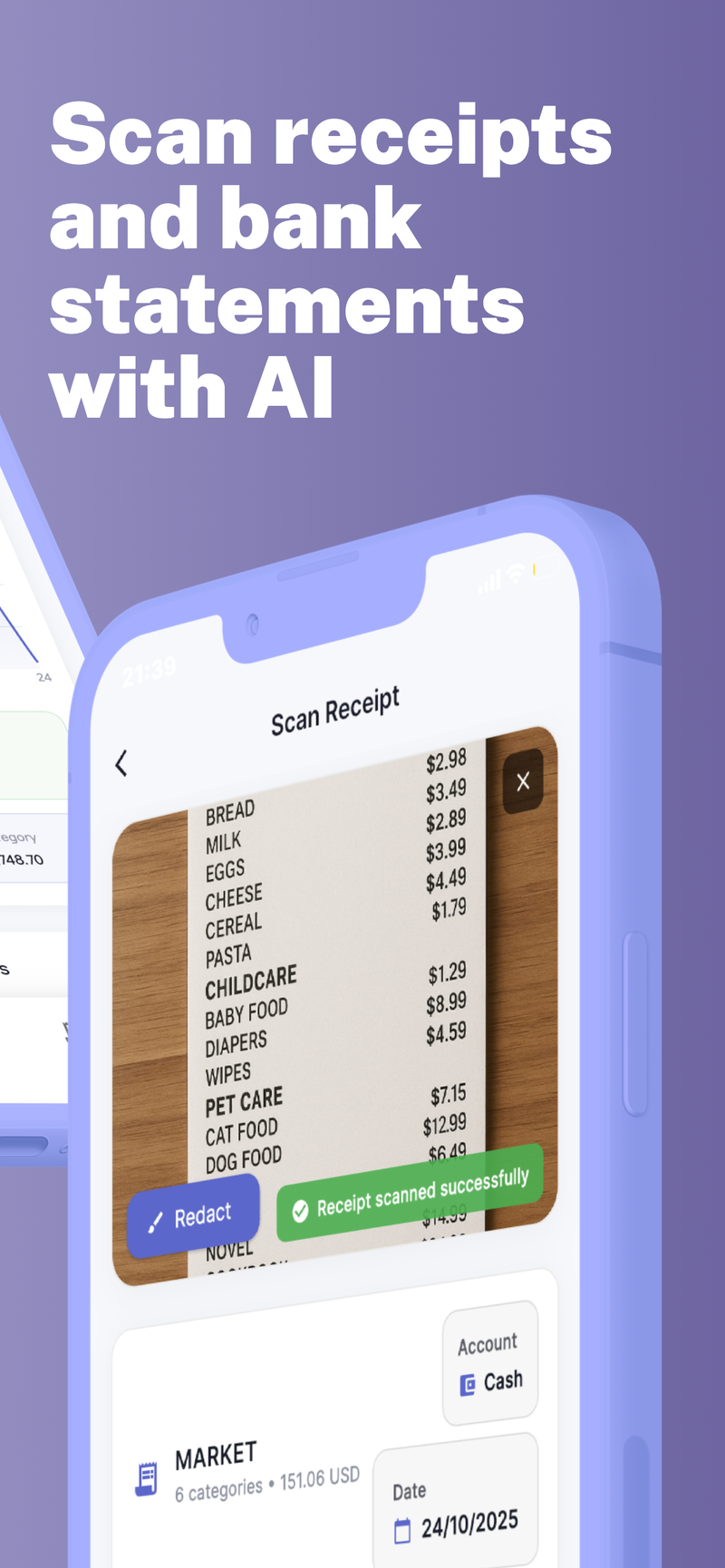

AI Receipt ScanningMulti-CurrencyBank ImportPrivacy-First
✨ Multi-Profile Support