
·Health
Crush Nicotine Cravings: A Realistic 3-Week Plan
Struggling with nicotine cravings? This realistic 3-week plan helps you understand cravings, build a practical toolkit, and steadily move toward quitting or reducing nicotine use. A week-by-week approach, plus real-time strategies, keeps you on track without feeling overwhelmed.
smoking cessationnicotine addictioncravings managementquit smokingvaping cessation
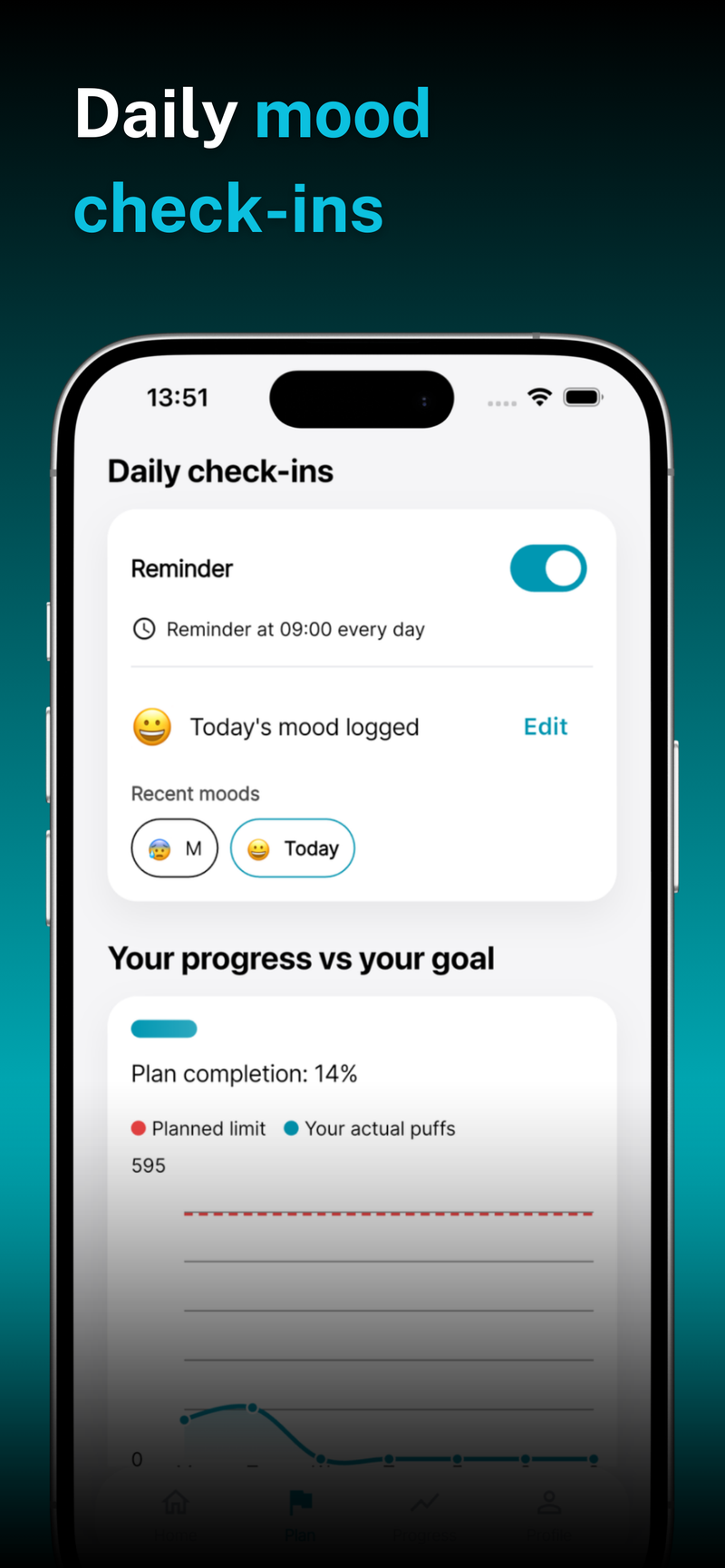
Introduction Craving nicotine can feel like a sudden jolt you didn’t see coming. You decide to quit, but a coffee break, a stressful moment, or a social gathering can trigger a craving that sounds louder than your resolve. The good news: you don’t have to ride this out alone, and you don’t need a perfect plan to start. A realistic, structured approach—spaced over three weeks—can make cravings more predictable and manageable. This guide lays out a practical roadmap to crush cravings, with concrete steps you can take today. It blends understanding of what cravings are, practical coping tools, and a week-by-week plan you can actually follow. ## Main Content ### Why cravings happen and what to expect - Nicotine withdrawal begins within hours of your last use and tends to peak in the first 24–72 hours. Symptoms can include irritability, anxiety, trouble concentrating, and stronger cravings. They typically ease over 2–4 weeks with consistent coping strategies. - Cravings are often triggered by cues: a morning coffee, after meals, a ride home, social settings, or stress. Understanding your personal triggers helps you prepare a targeted plan. - Most cravings last only a few minutes. riding out the urge is a powerful skill: every craving you pass through strengthens your long-term control. ### A realistic 3-week plan You’ll pick a main goal—either monitor & reduce or completely quit—and set a target timeline. If you’re unsure, try the full quit-within-3-weeks path; you can adjust as you go. #### Week 1: Set the stage - Choose a quit date within the next 21 days. Write it down and share it with someone you trust. - Build your craving toolkit. Pack items you can use in moments of urge: sugar-free gum or mumming candies, a bottle of water, a small stress ball, a short walk timer, and a healthy snack. - Identify triggers and plan replacements. Create a simple list: when I reach for nicotine, I will do one of these instead: drink water, take a 5-minute walk, do 10 slow breaths, or call a friend. - Start a daily log. Track cravings: time, trigger, intensity (0–10), what you did to cope, and mood. This helps you spot patterns and improve your plan. - Focus on sleep, hydration, and meals. Stable blood sugar and good rest reduce the intensity of cravings. #### Week 2: Build and replace - If you’re aiming to quit completely, begin committing to no nicotine on set days (e.g., no cigarettes/vapes after noon) and gradually extend those periods. - If you’re choosing monitor & reduce, establish a clear reduction target (for example, cut daily puffs or cigarettes by 25% this week) and track progress. - Amp up your coping toolbox. Add short breathing exercises (4-7-8 breathing for 4 cycles), a brisk 10-minute walk, and a quick stretch routine to interrupt urges. - Create an environment that supports your plan. Remove or hide devices you associate with smoking/vaping, and stock your bag or car with your craving toolkit. - Leverage social support. Tell a friend or family member your plan and schedule check-ins to stay accountable. #### Week 3: Solidify and sustain - Decide your final goal for the 3-week frame. If you’re not fully quit yet, set a concrete next milestone (e.g., “no nicotine for the next 7 days” with a plan to extend). If you’ve quit, continue reinforcing the new routine. - Build a post-quit routine. Plan meals, exercise, and social activities that don’t revolve around nicotine. Keep a “win log” for every nicotine-free day. - Prepare for potential relapse. Identify high-risk situations and rehearse your response. If a slip happens, view it as information, not failure, and return to your coping plan immediately. - Track outcomes. Note reductions in cravings, money saved, and improvements in mood, sleep, or energy. Small wins add up fast. ### Practical craving strategies you can use now - Delay and decide: when a craving hits, wait 5–10 minutes before acting. Cravings often fade. - Breathe through it: try 4 slow breaths in, 7 seconds hold, 8 slow exhales (4-7-8 technique). - Hydrate and snack: a glass of water or a healthy snack can curb the urge and stabilize blood sugar. - Move a little: a short walk, stairs, or a quick stretch breaks the pattern and releases tension. - Mouth substitutes: sugar-free gum, mints, or a hard candy can satisfy the oral craving without nicotine. - Keep hands busy: fidget toys, a stress ball, or a knitting project can reduce the impulse to reach for a cigarette. - Change your environment: stand up from the desk, step outside, or switch to a different room when cravings arise. - Sleep and caffeine awareness: cravings can spike when sleep is poor or caffeine intake is irregular; aim for regular sleep and steady caffeine, if you use it. ### Tracking progress and staying motivated - Create a simple daily scorecard: cravings (0–10), coping action used, mood, and whether you avoided nicotine. - Celebrate micro-wins: one nicotine-free day, a smaller craving peak, or money saved. - Review weekly: what triggers remained stubborn, what coping methods worked best, and what needs adjustment. - Consider professional support if cravings feel unmanageable or if withdrawal signs worsen beyond the expected range. ### When to seek additional help - If cravings are persistent and disrupt daily functioning, or if mood changes escalate, consult a healthcare professional. - Nicotine replacement therapy or other cessation strategies can improve quit rates for many people, especially when combined with a structured plan. ## Conclusion Quitting or reducing nicotine in a realistic, step-by-step way makes cravings more predictable and less overwhelming. By Week 1 you set the stage, Week 2 you reinforce new habits, and Week 3 you solidify your path forward. The key is consistency and a plan you can actually follow, not a perfect moment of willpower. If you’re looking for a guided framework that helps you personalize targets, track progress, and manage costs, a structured onboarding and personal setu



Daily MotivationProgress TrackingHealth MilestonesMoney Saved
💪 Onboarding & Personal Setup