Introduction
Is this you? You stock up for the week, only to watch a chunk of produce and leftovers go to waste. The result is more trips to the store, bigger carts, and a budget that never quite rests where you want it. You’re not alone—household food waste is a stubborn drain on both budgets and the planet. In the United States, households throw away roughly 30-40% of the food they buy, translating to about $1,500 per year per family. The good news is that a focused, practical audit can reverse this trend without turning your life upside down. Here is a genuine, 7-step family budget audit you can start this weekend.
Step 1: Audit your pantry, fridge, and freezer
Do a quick inventory: write down every item you have, note quantities, and mark expiration dates.Separate items by urgency: use today, use this week, store for later.Create simple zones in your kitchen or drawers to guide meal planning (for example, a "use today" bin for perishables).Example: you find peppers, yogurt, and spinach near their best-by date. Plan meals that include these first to avoid waste.Step 2: Plan meals around perishables
Build your weekly plan starting with items closest to expiration.Create a 4–5 day meal plan that centers on those items, then fill gaps with staples you already have.Write the plan where everyone can see it (whiteboard, notes app, or a shared calendar).Quick template: Monday stir-fry with peppers and chicken, Tuesday soup using broccoli stems, Wednesday pasta with spinach, Thursday leftovers night.Benefit: you reduce last-minute buys and impulsive additions that often end up wasted.Step 3: Smart shopping list and budgeting
Convert your plan into a precise shopping list. Stick to it.Before adding something new, check if it complements the plan rather than simply filling space.Compare price per unit and watch for items on sale that you can actually use before they expire.Rule of thumb: buy what you will use within the next two weeks, not the next two months.Step 4: Store properly to extend life
Fridge temperature should be around 1–4 C (34–40 F); freezer at -18 C (0 F) or lower.Keep herbs in a glass of water in the fridge or wrapped loosely in damp paper towels to extend freshness.Use clear, breathable containers for produce; label with dates so you know when to use items.Don’t overfill shelves; air needs to circulate to keep items fresh.Label and date leftovers when you store them and plan to use them within 3–4 days.Step 5: Use leftovers creatively
Establish a leftovers night once a week to repurpose odds and ends into a new dish.Use a simple framework: protein + veg + starch + sauce. Transform yesterday’s roast into a soup, curry, or quesadillas.Freeze portions for quick future meals on busy evenings.Keep a small “leftover pantry” list to spark ideas when you’re unsure what to cook.Step 6: Waste tracking and accountability
Keep a simple log: item, amount wasted, estimated cost.Review the log weekly to identify which items are most wasted and adjust your plan accordingly.Set a realistic target, such as reducing waste by 10–20% over the next month, and celebrate small wins.Use this data to refine your shopping and meal planning, so future weeks are even more efficient.Step 7: Weekly budget check-in
Schedule a short, 10-minute weekly review to compare planned groceries with actual spending and waste.Learn from the discrepancies: did you overproduce or under-plan? Adjust the next week’s plan accordingly.Involve other family members in the check-in to share ideas and keep momentum.Small, consistent reviews compound into noticeable savings over time.Conclusion
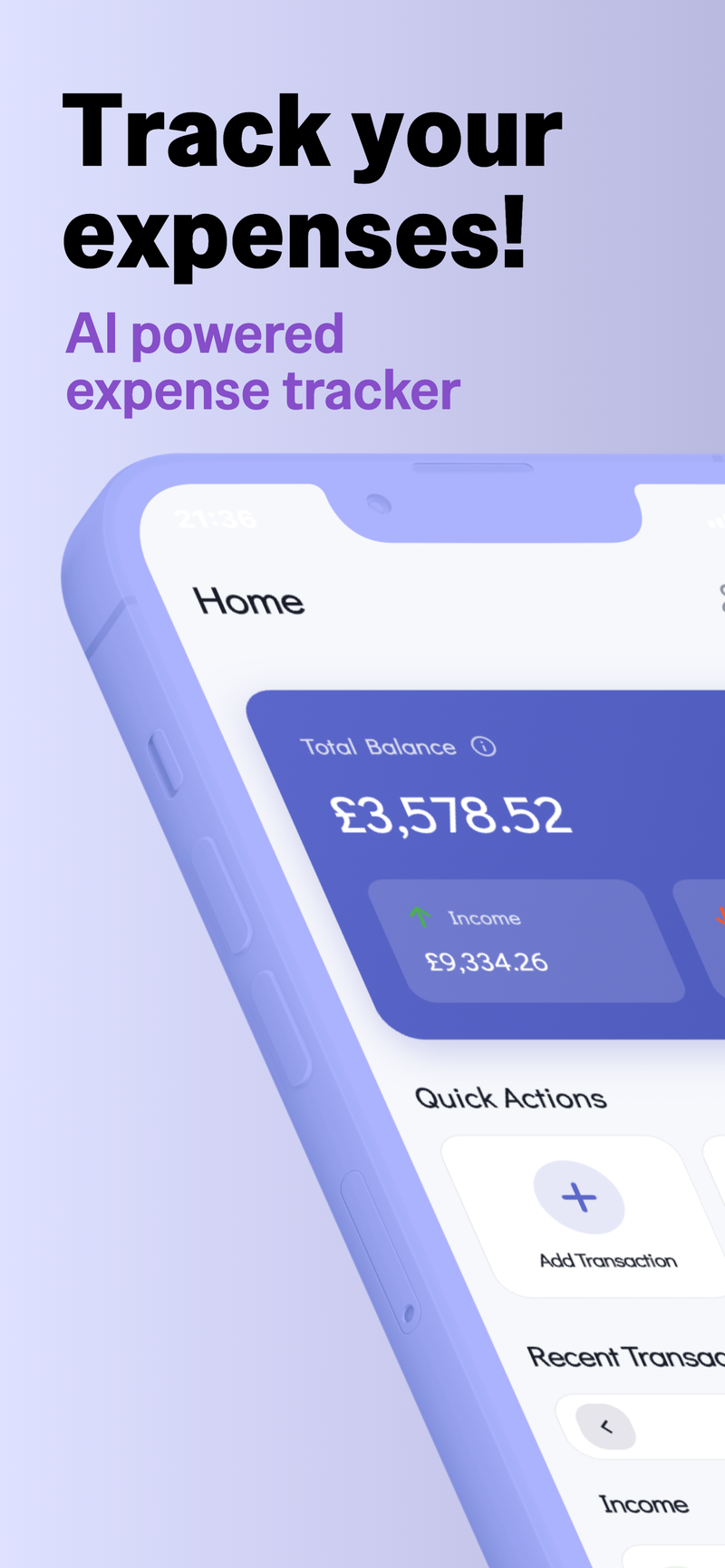
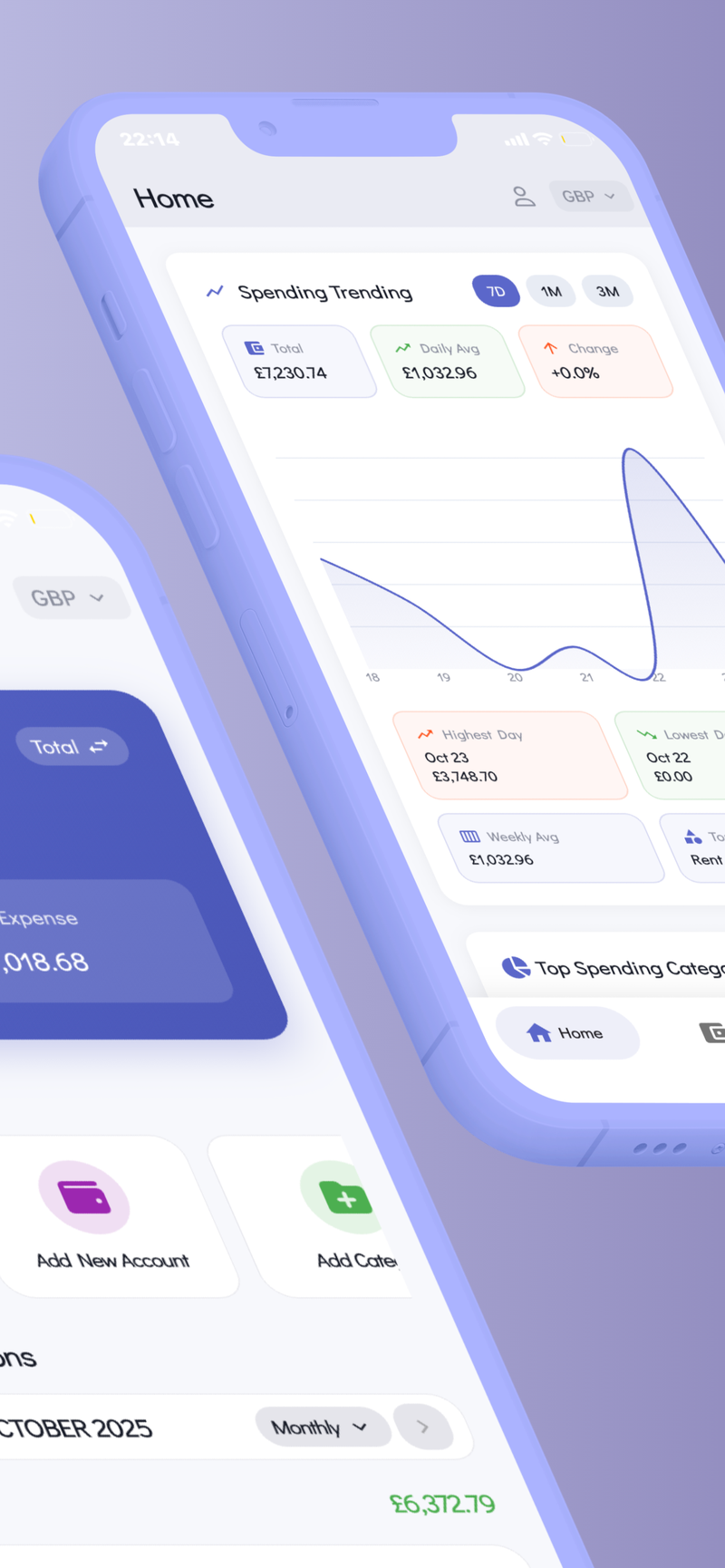
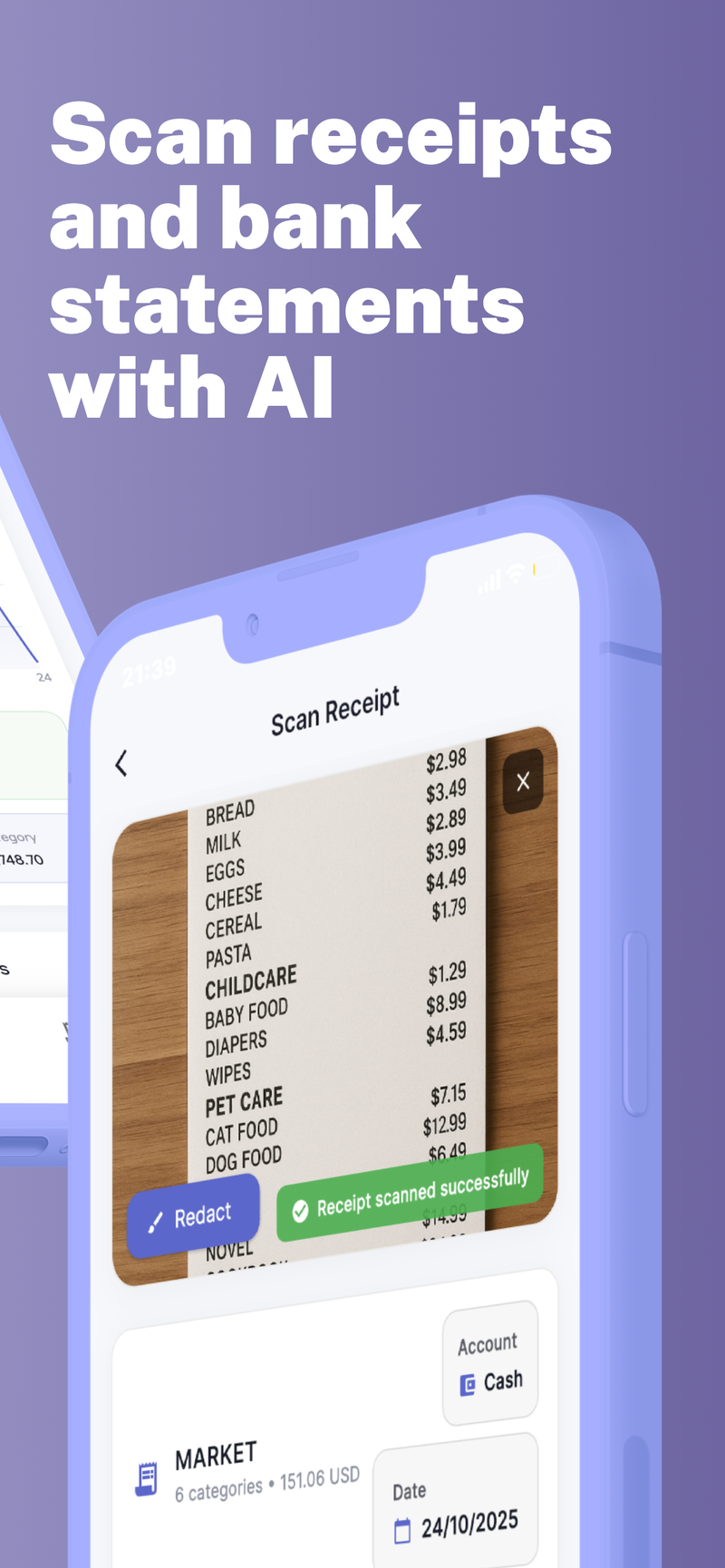
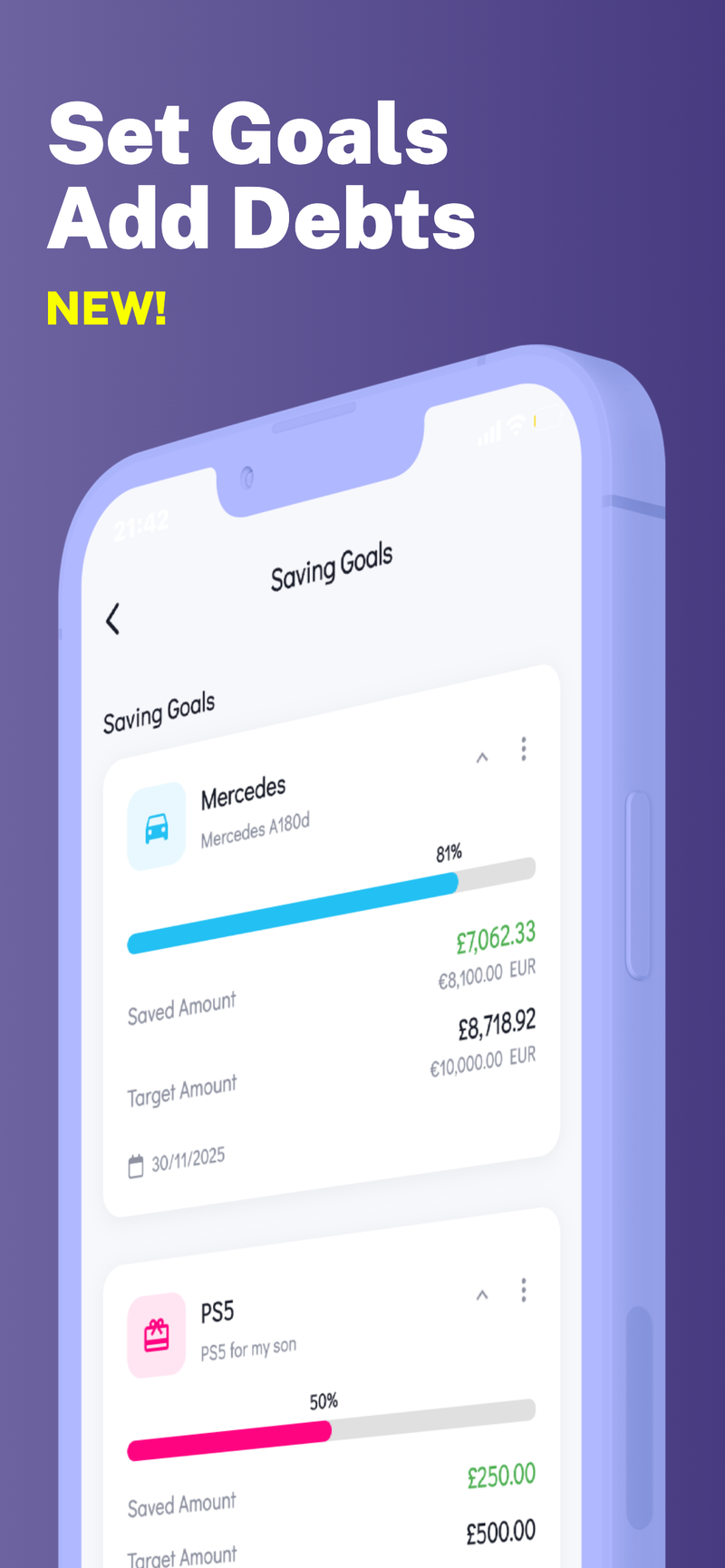
Cutting grocery waste isn’t about harsh restrictions; it’s about turning awareness into repeatable habits. Start with a quick pantry audit, build a meal plan around perishables, store items properly, and track waste. As you tune these steps, you’ll waste less, save more, and enjoy a calmer, more predictable grocery routine. If you want a practical way to track multiple family budgets and stay on top of grocery spending, Fokus Budget can help. Its multi-profile support lets you keep personal, household, and grocery budgets organized in one place, with privacy kept on your device.