
·Budgeting
Cut Monthly Spending Without Sacrificing Your Budget
Struggling to curb monthly spending without sacrificing essentials? This guide offers practical, proven steps to audit your expenses, trim costs, and stay on track. Learn to distinguish needs from wants, optimize recurring bills, and build a sustainable plan.
budgetingexpense-trackingpersonal-financefrugal-livingfamily-finances
Introduction Do you ever feel like your paycheck vanishes as soon as it lands in your bank account? You may be earning enough, but the monthly outgo still outpaces income. The issue isn’t a lack of willpower; it’s systems. Costs creep up, subscriptions accumulate, and it’s easy to feel stuck. The good news: you can cut monthly spending without cutting the things that matter most. A deliberate plan, small adjustments, and consistent tracking can make a real difference. ## Audit Your Baseline ### Start with a baseline Gather at least three months of bank and card statements. Group expenses into categories such as housing, groceries, transport, and personal spending. Look for patterns: recurring charges you barely use, weekly splurges, or impulse buys that line your budget without adding real value. ### Essential vs non-essential Label each category essential or discretionary. Essentials cover needs you can’t live without, while discretionary items are things you could adjust or delay. Acknowledge that some discretionary spending fuels your wellbeing; the goal is to reallocate rather than eliminate entirely. ### Use a starting framework Many households thrive on a simple rule like the 50/30/20 baseline: 50 for needs, 30 for wants, 20 for savings or debt payoff. It’s a starting point, not a prison. If you’re carrying high debt or have irregular income, you may shift the percentages temporarily to protect basics first. ## Practical strategies to cut costs without sacrificing quality ### Groceries and dining - Plan meals for the week and shop with a list to reduce impulse purchases. - Compare price per unit and buy store brands when taste and quality are comparable. - Use bulk items for staples and freeze portions to prevent waste. - Limit dining out to a fixed number of occasions per month and reserve the rest for meals at home. - Leverage coupons and loyalty programs, but only if they genuinely save money without increasing spending elsewhere. ### Housing and utilities - Tweak energy habits: dim lights, unplug idle electronics, and optimize thermostat settings by a degree or two. - Improve insulation and seal gaps to reduce heating and cooling costs. - If renting or refinancing, review maintenance costs and consider housing options that fit your current budget while maintaining safety and comfort. ### Transportation - Maintain vehicles to prevent costly repairs; regular oil changes and tire inflation save fuel. - Carpool, public transit, or biking when feasible to cut fuel and maintenance costs. - If possible, consolidate trips to reduce total mileage and time spent commuting. ### Subscriptions and memberships - List every recurring charge and ask whether you use it monthly. - Cancel unused or duplicative services and consider sharing plans with family or friends to lower per-person cost. - Review annual subscriptions to see if the long-term price justifies the benefit; pause or downgrade if not. ### Debt and interest - Prioritize high-interest debt to reduce the amount paid over time. - Consider refinancing or balance transfers only if the math clearly improves your situation and fees are reasonable. - Avoid new debt for discretionary spending; build a small, automatic payoff each month instead. ### Renegotiating bills - Call providers for housing, internet, and insurance to request better rates or bundled deals. - Leverage offers from competitors to negotiate a lower price or win extra features. - Don’t hesitate to switch providers if the savings are substantial and service remains adequate. ### Quick wins and discipline - Implement a 30-day rule for nonessential purchases: if you still want it after a month, buy it with a plan. - Set small monthly targets (example: trim 5% of discretionary spend) and celebrate steady progress. - Use cash or a fixed daily spending allowance for non-essential categories to curb overspending. ### Automate and track - Automate savings so a portion of income moves to a separate envelope or account before you see it. - Set weekly reviews to compare actual spending against your plan and adjust accordingly. - Keep visuals handy: a simple pie chart or a short dashboard helps you stay focused on the numbers. ## A simple 4-week action plan ### Week 1: Baseline and intent - Collect statements, categorize expenses, and identify at least two non-essential targets to trim. - Decide your top three savings goals for the month. ### Week 2: Cut recurring costs - Contact providers for better rates, pause or downgrade subscriptions, and switch to more cost-effective options where possible. - Implement a streamlined meal plan and grocery list strategy. ### Week 3: Optimize daily spending - Enforce the 30-day rule on non-essentials. - Use energy-saving habits at home and reduce waste to lower bills. ### Week 4: Review and adjust - Compare actuals to your targets, celebrate wins, and reset remaining targets for the next cycle. - Consider small tweaks like shifting some discretionary funds toward debt payoff or savings. ## Realistic expectations and common pitfalls - Savings accumulate over time; don’t expect dramatic changes overnight. Small, consistent cuts compound. - A perfect budget is less valuable than a practical one you actually follow. Make adjustments that fit your lifestyle. - Avoid punitive restrictions that erode motivation. Replace excess with meaningful improvements you can sustain. ## Quick templates you can adapt - Essential vs discretionary list for your household - A simple weekly spending log with category totals - A monthly review checklist to track progress and adjust plans ## Conclusion Cutting monthly spending without sacrificing your budget is about smart, deliberate choices and steady tracking. Start with a clear baseline, differentiate needs from wants, and apply targeted adjustments where they matter most. With consistent reviews and small, sustainable changes, you can free up cash for savings, debt payoff, or future goals without feeling deprived.
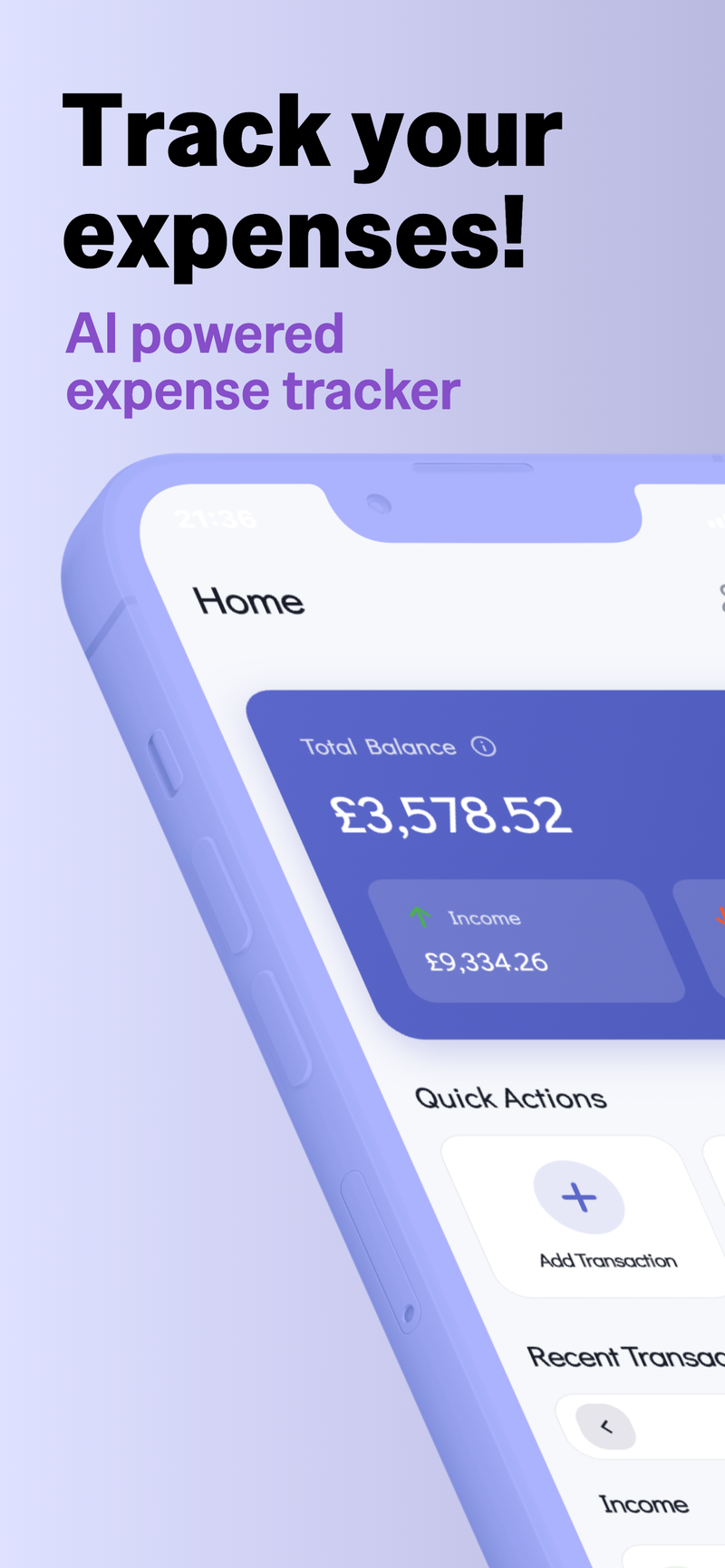
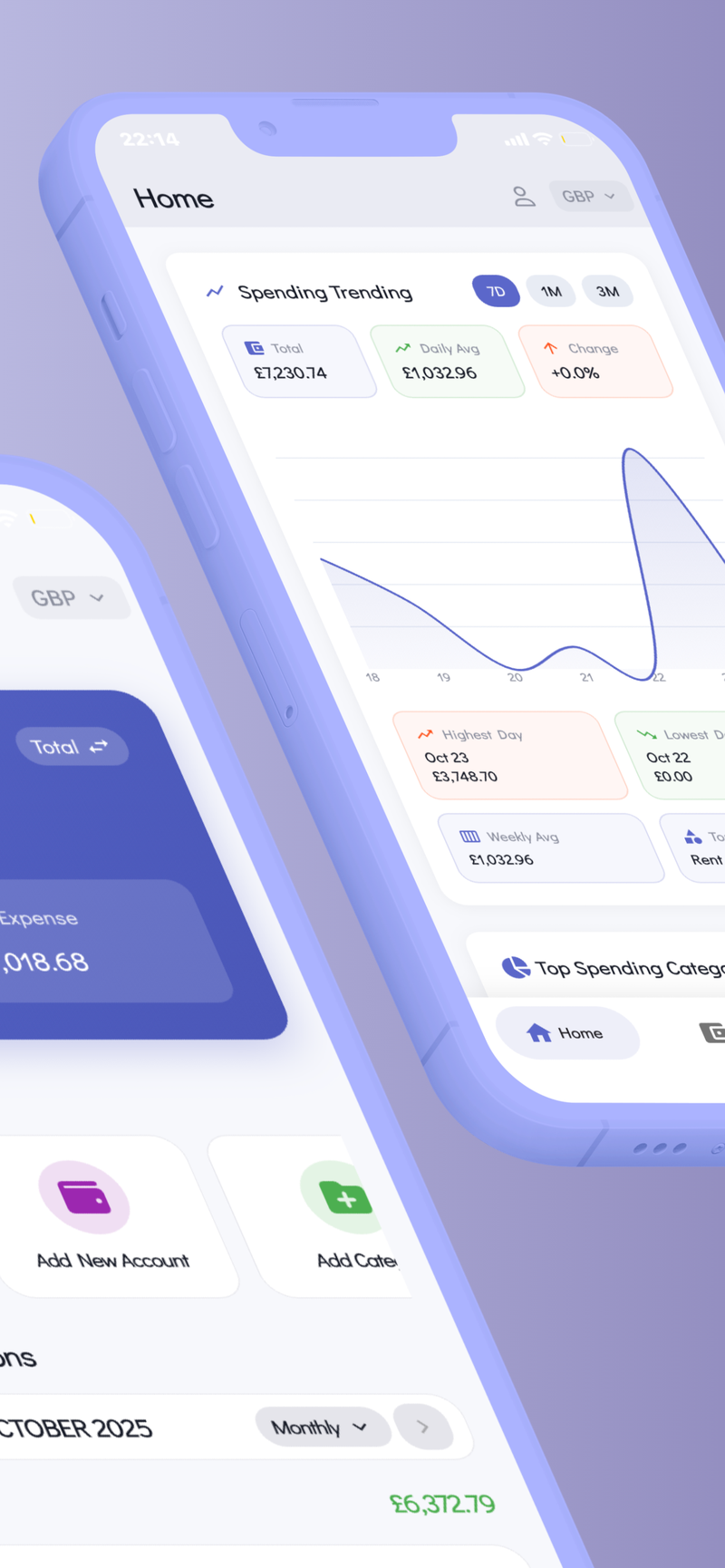

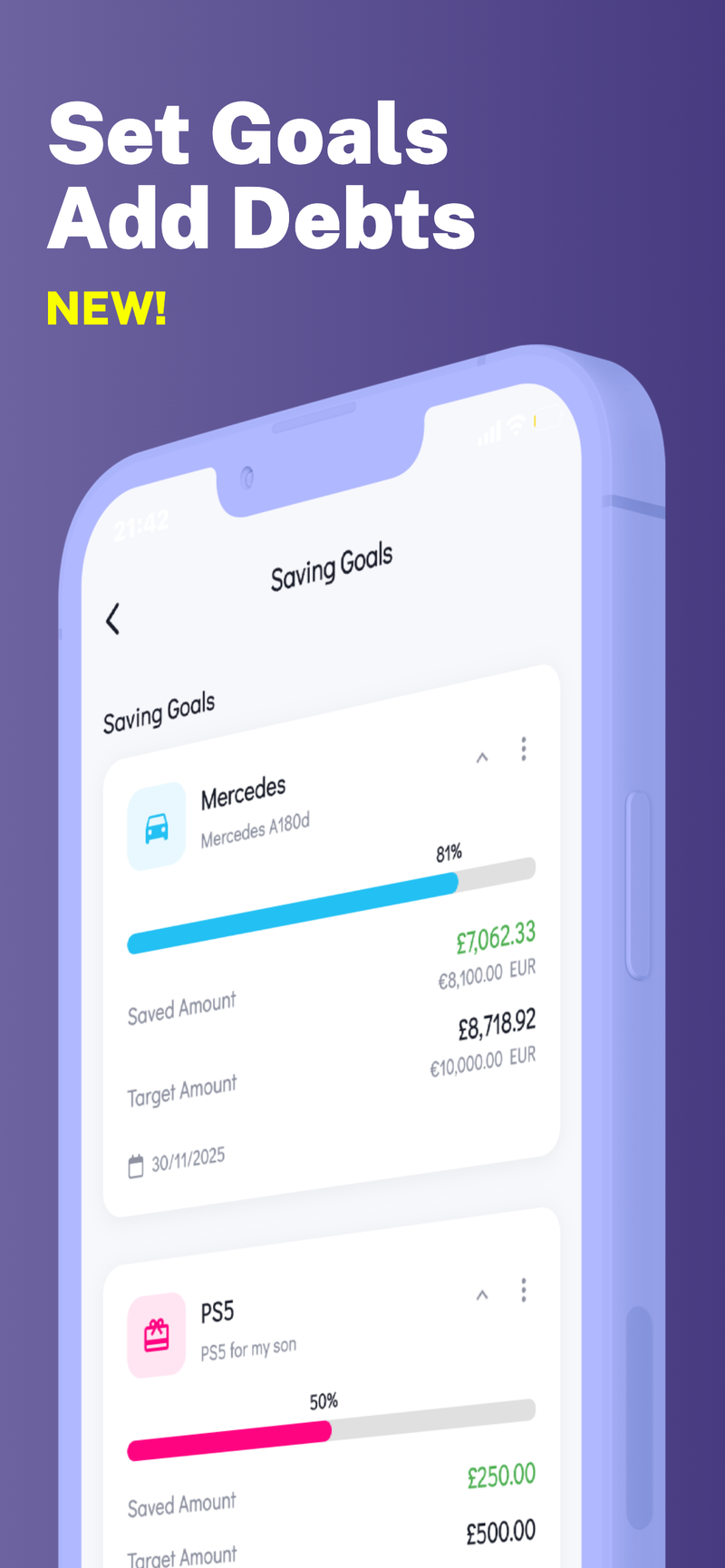

AI Receipt ScanningMulti-CurrencyBank ImportPrivacy-First
✨ Multi-Profile Support