Introduction
Have you ever felt like your money slips out the door the moment you turn around? You cut back on dining out, you refill the fridge, and yet the numbers in your bank statement don't reflect the effort. Hidden budget leaks can hide in plain sight: energy waste, small recurring charges, and even everyday habits that quietly drain your wallet. The good news is you can find and plug those leaks with a few practical checks and a system for monitoring your spending.
How to spot hidden budget leaks
Start with a home energy audit
Review your last 3-12 months of energy bills and compare to similar months in previous years, adjusting for weather. A pattern of higher costs can point to drafts or aging equipment.Check for drafts around doors, windows, and outlets. Use weather-stripping, caulk, or door sweeps to seal gaps. A candle or incense test can help you visualize air movement.Inspect insulation in the attic, walls, and crawl spaces. Even small gaps around ducts can sap efficiency.Set your thermostat thoughtfully: aim for 68-72°F in winter and 74-78°F in summer, then adjust with a programmable thermostat.If you can, arrange a professional home energy audit. A trained eye often spots issues you’ll miss.Energy Star notes that sealing major air leaks can reduce heating and cooling costs by up to 20% in many homes.
Inspect for water and appliance waste
Listen for toilets that run or flappers that stick. A quick dye test in the tank can reveal leaks.Replace worn showerheads and fix dripping taps. Even small drips add up over time.Insulate hot water pipes and lower the water heater temperature to around 120°F (49°C) to save energy and reduce scald risk.Regularly inspect appliances for leaks and unusual sounds. A worn seal on a fridge door or a leaky hose can cost you monthly.Even small leaks can waste hundreds of gallons of water per year, and heating and water waste often go hand in hand with higher bills.
Cut standby power and subscriptions
Identify devices that stay plugged in 24/7—routers, game consoles, and chargers can draw power even when off. Use smart strips or schedules to cut power when not in use.Unplug chargers you don’t rely on nightly and charge devices only as needed.Inventory recurring charges: review credit card statements for subscriptions you rarely use, and cancel or consolidate where possible.Standby power can account for roughly 5-10% of residential electricity use, so even small shifts add up over a year.
Review recurring expenses and bills
List all recurring charges you pay monthly or yearly: streaming services, gym memberships, insurer premiums, and software tools.Check whether you actually use each service. Cancel dormant ones and look for cheaper alternatives or annual plans with discounts.When possible, switch to fewer, higher-value plans, or renegotiate with providers. A short call can unlock savings.Tighten food, waste, and grocery habits
Plan your meals for the week and shop with a precise list—avoid impulse buys.Use leftovers creatively and store foods properly to extend freshness.Compare unit prices and buy in bulk only when items won’t go to waste.Freeze leftovers and plan “use-it-this-week” meals to minimize spoilage.Maintain your home to prevent leaks
Schedule regular HVAC maintenance and replace air filters every 1-3 months.Clean refrigerator coils and ensure door seals are tight.Flush the water heater annually and bleed radiators or run a quick check on hot-water pipes.Address issues promptly rather than letting small problems cascade into bigger costs.Make it a habit
Set a simple, 15-minute monthly review: compare actual spending to your plan, and adjust categories for the next month.Keep a single, accessible tracker (notebook or spreadsheet) to record discoveries and fixes.Conclusion
Plugging budget leaks isn’t about deprivation; it’s about awareness and small, consistent improvements. Start with one area—energy, water, or subscriptions—and build your audit into a monthly routine. With time, you’ll see bigger savings and less stress around money.
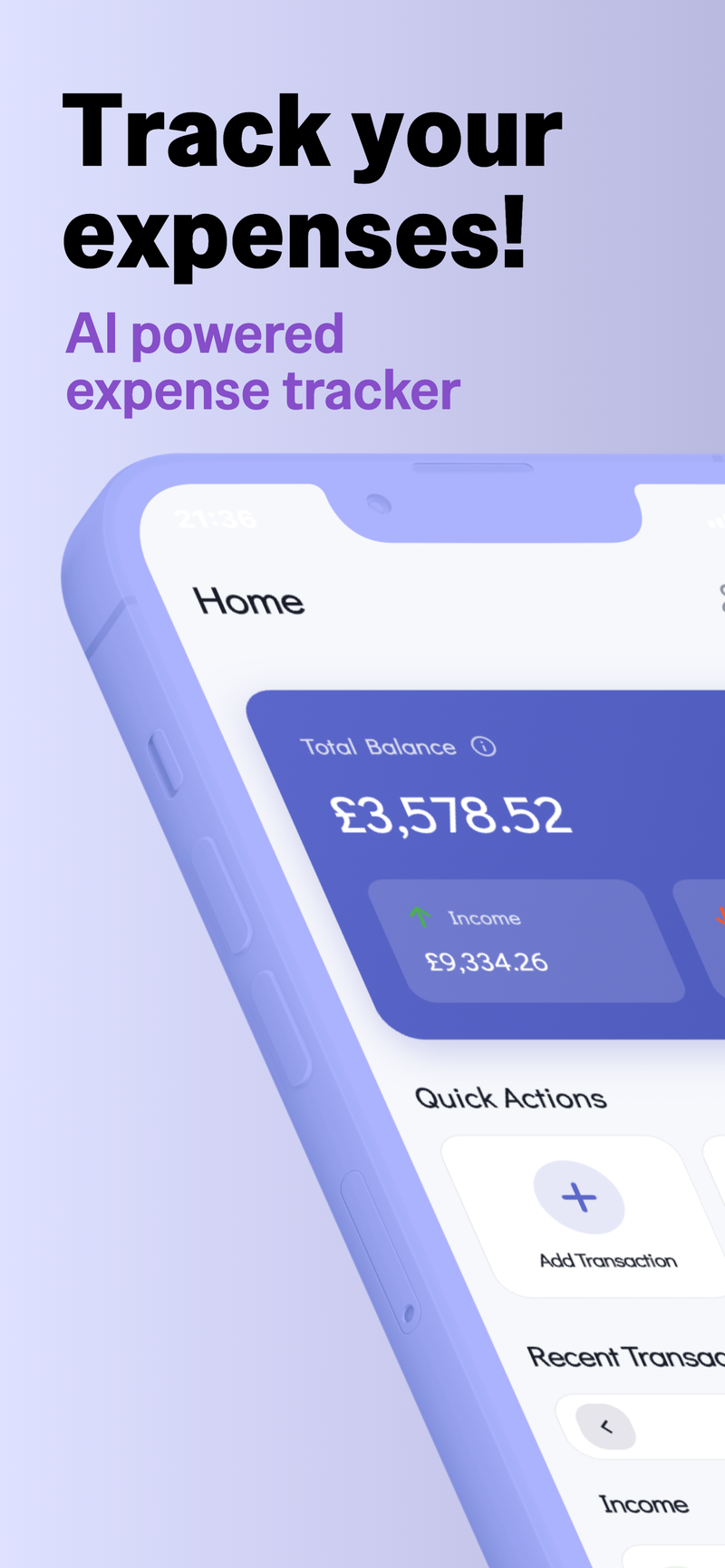
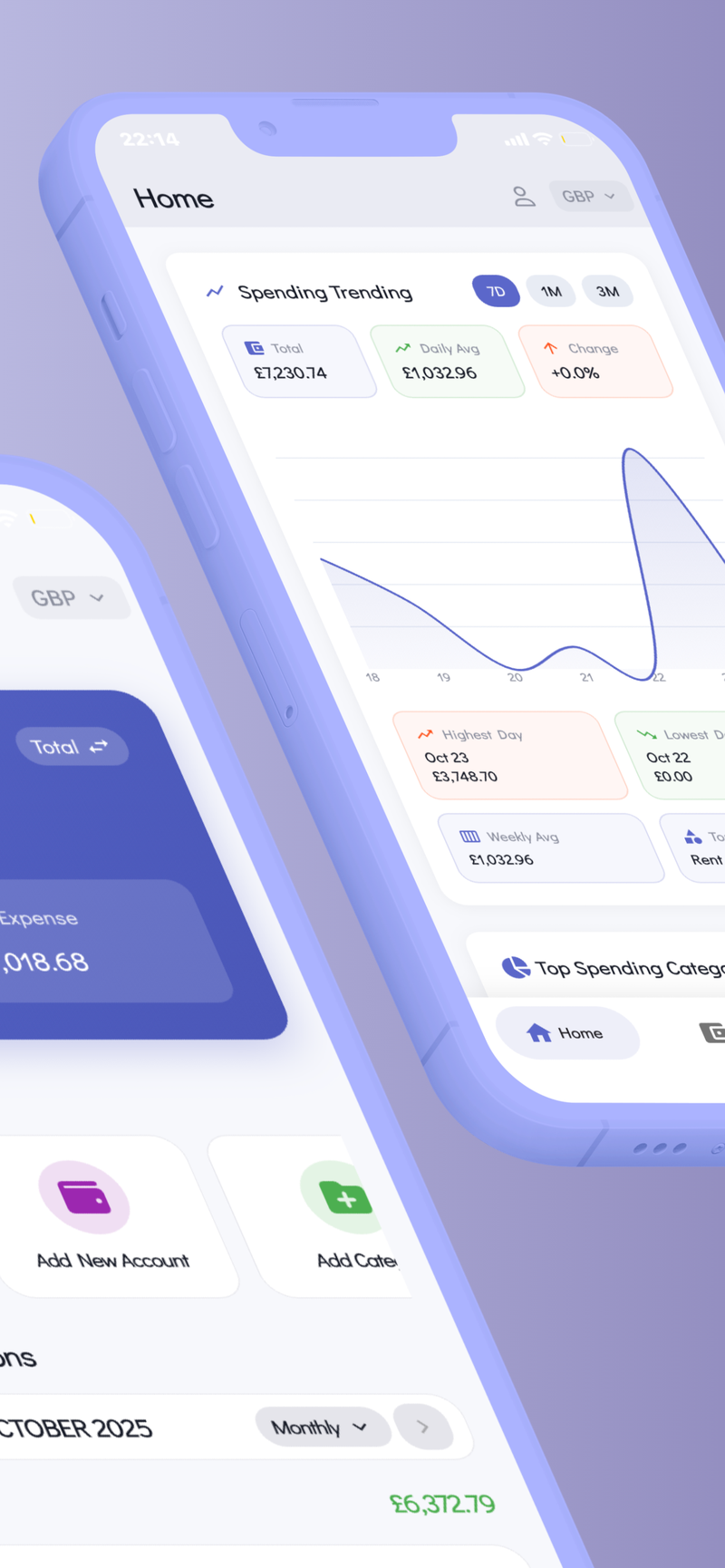
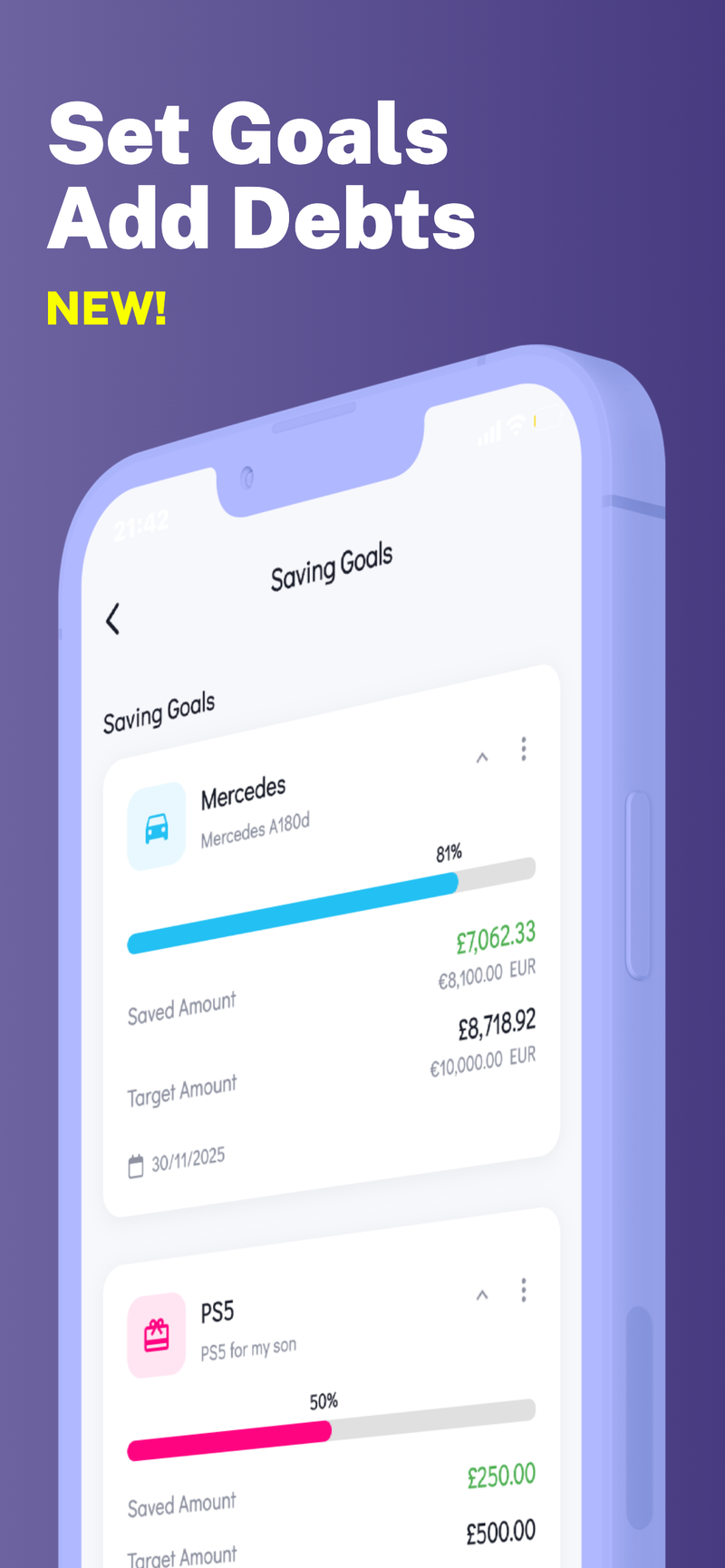
If you want a straightforward way to track and protect your budget while keeping your data private, consider Fokus Budget. This privacy-focused personal finance tool keeps data on your device and supports multiple family profiles, helping you manage money without exposing it to cloud-based risk. It’s a practical companion for households aiming to stay organized and spend wisely.