Introduction
Is your monthly budget more of a wish list than a plan? You’re not alone. Many families start with good intentions but end up tangled in fluctuating bills, unexpected expenses, and the frustration of not seeing progress. The good news: you can build a budget that actually sticks with five simple rules that adapt to real life. A quick glance at recent data shows why this matters: in 2023, the Federal Reserve reported that about 40% of adults wouldn’t be able to cover a $400 emergency with savings. That gap isn’t a moral failing—it’s a signal to create habits that protect the household cash flow and reduce anxiety. Let’s dive into rules that are practical, not perfect, and designed to be followed month after month.
Main Content
Rule 1: Know your numbers
List every income stream: salary, side gigs, freelance work, and any irregular revenue.Track every expense for at least one full month. Include fixed costs (rent, mortgage, utilities) and variable costs (groceries, gas, entertainment).Create a simple snapshot: net monthly income minus total expenses equals your available cash for savings or discretionary spending.Set a realistic savings target, ideally 10-20% of take-home pay if possible, but start where you are and grow over time.Example: A family bringing home $5,000/month identifies $2,800 in fixed costs, $1,000 in flexible spending, and $1,200 left for savings and extra debt payments. That clarity is powerful for decision making.Rule 2: Make it simple and flexible
Pick a budgeting framework that fits your life: zero-based budgeting (every dollar has a job) or a flexible 50/30/20 approach (needs/wants/savings).Create three budget buckets: Essentials, Flexibles, Savings.Essentials cover housing, food, transportation, insurance, healthcare.Flexibles cover dining out, hobbies, non-essentials.Savings cover emergency fund, future goals, debt payoff.Cap each category and review irregular costs separately (annual insurance, car maintenance, birthdays).Keep the budget on one page to reduce cognitive load and increase adherence.Real-world tip: if an irregular expense pops up, assign it to a sinking fund category you pre-plan, so it never derails your monthly plan.Rule 3: Automate and review
Automate savings transfers right after each payday. Even small, consistent transfers add up over time.Set up automatic bill payments to avoid late fees and keep payment history clean.Schedule a monthly budget review with your household (15–20 minutes). Update actuals, compare to the plan, and adjust for upcoming costs.Build a rolling 3-month forecast: note recurring quarterly or semi-annual expenses (annual premiums, school trips, car registration) and pre-allocate funds.Practical example: if you expect a $300 car repair in three months, earmark $100/month now instead of dipping into the general fund later.Rule 4: Prioritize debt reduction and emergency fund
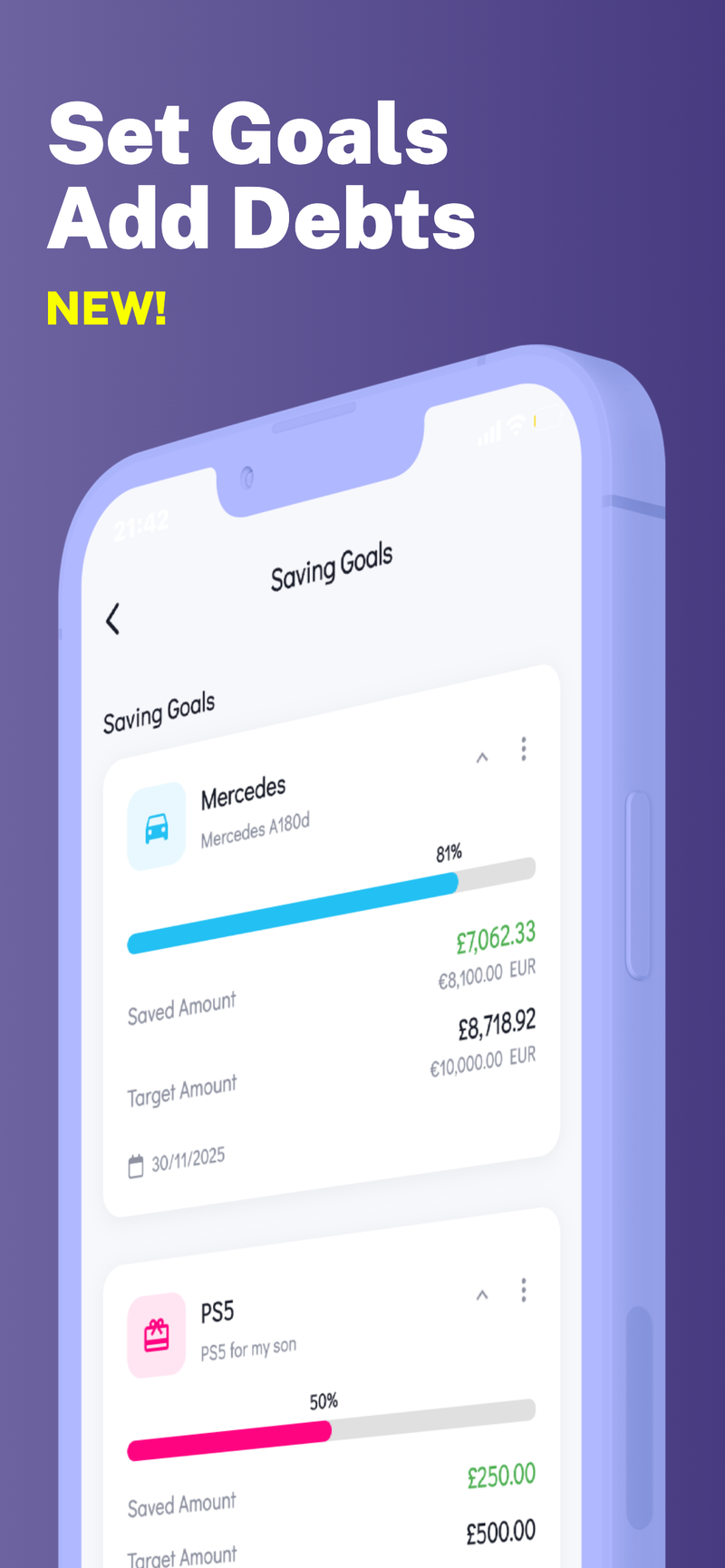
List debts by interest rate and choose an approach: avalanche (highest rate first) or snowball (smallest balance first). Pay minimums on all others and apply extra funds to the chosen debt.Aim for an emergency fund of 3–6 months of essential expenses. If that feels large, start with a smaller target (e.g., 1–2 months) and grow it over time.Break big goals into monthly milestones. For example, if monthly essentials are $3,000, a $9,000 fund would be a two-year target at $375/month.If debt feels overwhelming, the key is consistency: even small extra payments compound and reduce interest over time.Rule 5: Involve the family and make budgeting a habit
Hold a short monthly family budget meeting (15–20 minutes) to review progress, celebrate wins, and set next month’s priorities.Assign age-appropriate roles: kids track allowance vs. spending, teens manage a small discretionary category, parents monitor big-ticket items.Create visuals: simple charts, jars for different categories, or a shared calendar of irregular expenses.Tie budgeting to real goals: a family trip, a new bike, or a savings milestone for a big purchase. When goals feel tangible, adherence improves.Data point: families that engage in joint budgeting tend to report higher satisfaction with financial progress and lower stress about money, because everyone understands where the money is going.Conclusion
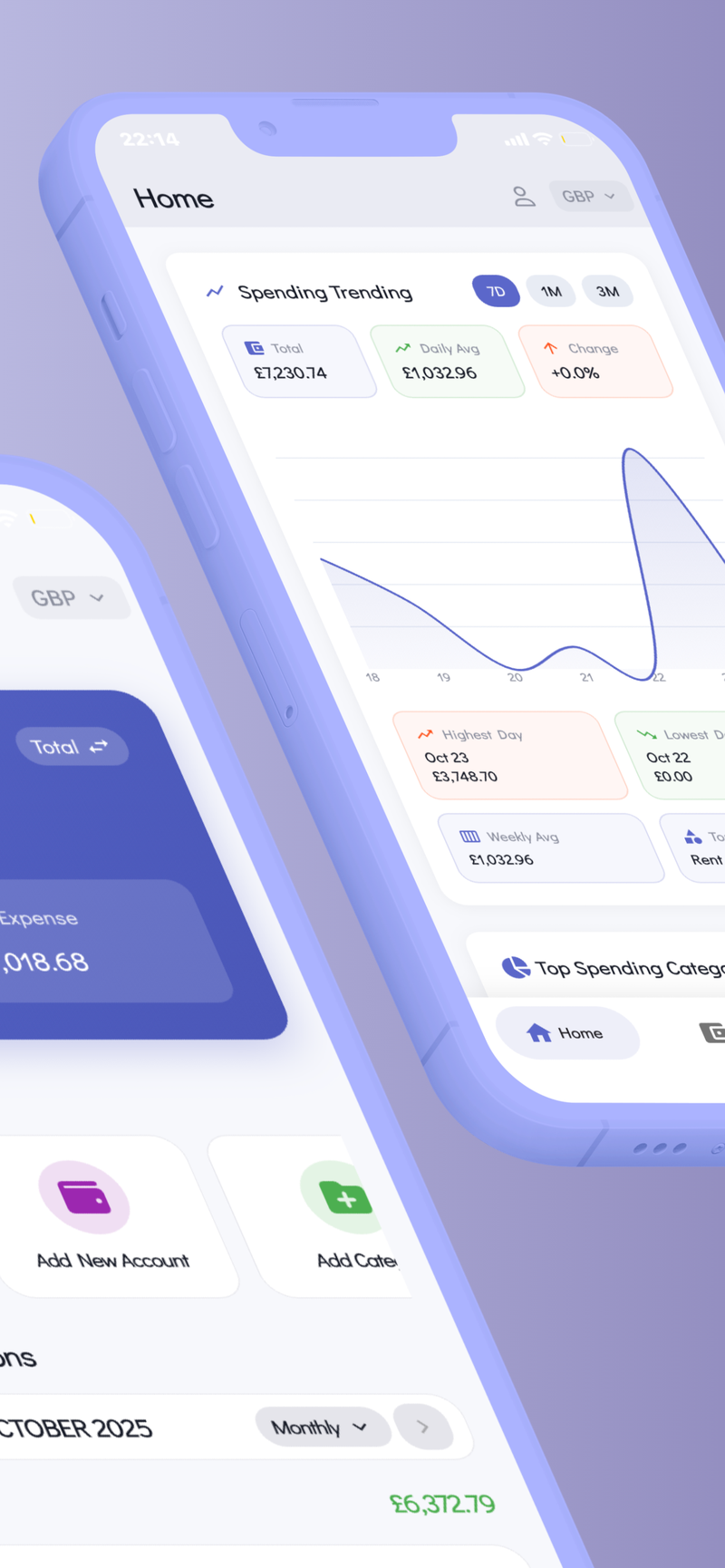
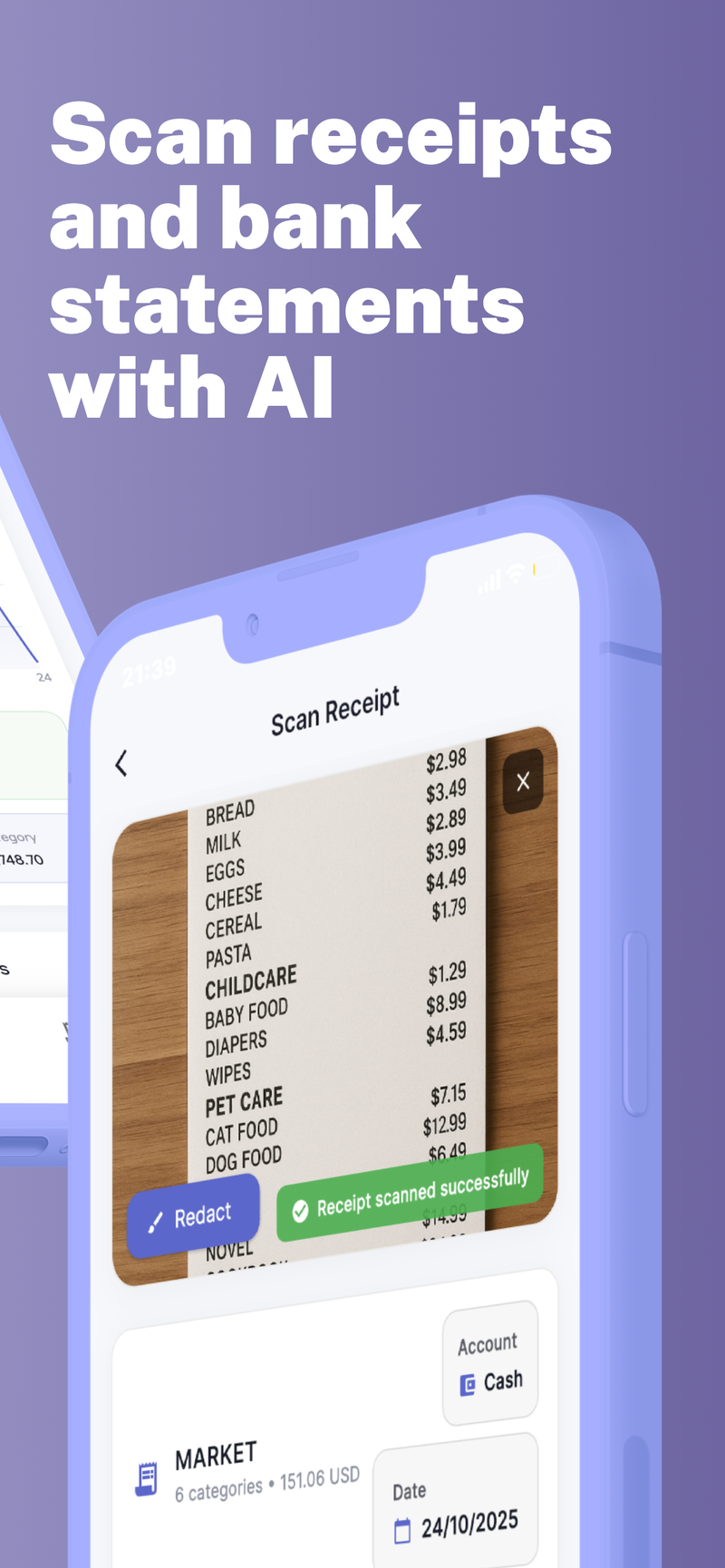
Building a budget that actually works isn’t about perfection—it’s about consistency, visibility, and teamwork. Start by knowing your numbers, choose a simple framework, automate what you can, and keep debt in check while growing a safety cushion. With regular check-ins, you’ll notice small shifts that compound into real progress over a few months. And if you ever want a private budgeting tool to support a family-friendly approach, consider a solution that keeps data on your device and lets multiple people manage their own budgets within one system. Fokus Budget offers Multi-Profile Support, helping families keep personal, family, and other budgets organized without mixing data. It’s a helpful option to explore if you’re seeking a practical, privacy-conscious way to implement these rules.