Introduction
Is your monthly budget a leaky bucket? You sprint to pay the essentials—rent, groceries, utilities—and somehow a few smaller costs slip through the cracks, leaving you scrambling before the next paycheck. You’re not alone. Many households feel the squeeze when prices rise and income stays the same.
Data from recent surveys shows that a sizable share of adults would struggle to cover an emergency expense of around $400, underscoring why prioritizing essentials isn’t a luxury but a necessity. Money worries can affect sleep, mood, and health, so the goal isn’t deprivation—it’s clarity: know what truly matters, and give those items steady support while trimming the rest.
In this guide, you’ll find practical, actionable steps to protect your essentials, reduce waste, and build a small safety net without feeling deprived.
Five practical strategies to prioritize essentials on a tight budget
1. Name your essentials and separate wants
Start with a must-have list: housing, utilities, food, healthcare, transportation, childcare, debt minimums, and insurance premiums.Rank items within the list. If you had to pause, which would cause the most disruption if cut or reduced? For example, without reliable housing or food, nothing else matters.Create a strict “needs vs. wants” boundary. Allow yourself a brief, planned window for discretionary spending (like a $20 weekly indulgence) rather than impulse buys.Action steps:Write down monthly obligations in two columns: Essentials and Non-essentials.Post the list somewhere visible (kitchen fridge, family workspace) to stay aligned.Review it during weekly planning to ensure you’re prioritizing the top essentials first.2. Lock in fixed costs first
Fixed costs are the anchor of your budget. If you know your minimums, you can design the rest around them.
Gather all recurring payments: rent/mortgage, utilities, insurance premiums, subscriptions you actually use.Negotiate or shop around: ask providers for lower rates, consolidate plans, or switch to cheaper options when feasible. Even small reductions add up over time.Stabilize payment timing: set up autopay for essentials to avoid late fees, which compound costs and stress.Look for energy efficiencies: LED lighting, programmable thermostats, and modest improvements can trim ongoing utility bills.Action steps:List all fixed costs and their monthly amounts.Target at least one provider for rate comparison this month.Schedule a weekly bill-review session to catch renewals or price hikes early.3. Build a tiny emergency cushion
An emergency fund reduces the temptation to dip into essentials when an unexpected cost arises. Start small and stay consistent.
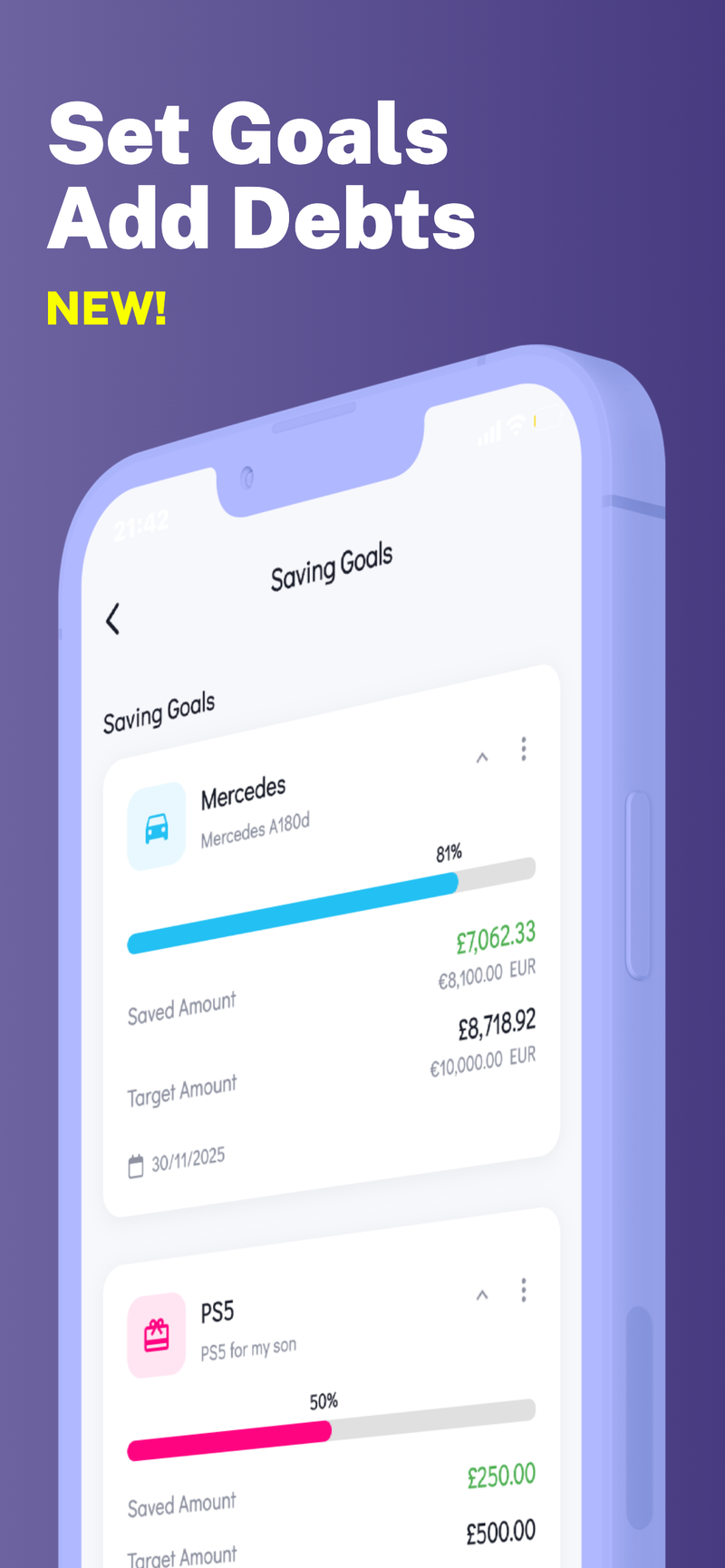
Set a modest initial goal, such as $500, then grow gradually.Automate small savings: even $5–$10 per week adds up, especially if you round up purchases and divert the difference.Keep the fund accessible but separate from everyday spending. A dedicated savings account or a separate envelope/budget category can help.If there’s no room to save, reallocate: temporarily cut one non-essential expense and stash the amount instead.Action steps:Choose a specific day each month to move funds into emergency savings.Use a round-up rule for every debit transaction to seed the fund gradually.4. Plan meals and grocery shopping with intention
Food costs often creep up when plans are loose. A steady plan protects essentials and reduces waste.
Build a simple weekly menu based on budget-friendly staples (beans, oats, rice, seasonal produce).Price compare and use unit pricing to get the most for your money.Shop with a list and commit to it. Avoid in-store temptations and bulk buys that don’t align with the week’s plan.Batch cook and repurpose leftovers to minimize waste while maintaining variety.Tips to save:Shop seasonal produce and local sales.Use coupons thoughtfully—only for items you’ll actually use.Freeze meals for busier days.Example impact: a deliberate meal plan can shave 10–30% off weekly grocery bills depending on family size and region.5. Track, review, and adjust weekly
A simple tracking-and-review rhythm turns intention into habit.
Record all expenses in a single place for at least two weeks to see where money leaks occur.Set a weekly 20–30 minute budget check-in with the family: what went as planned, what didn’t, and what to adjust next.Use a flexible forecast: assign a conservative estimate for variable costs (groceries, gas, entertainment) and err on the side of under-spending in those areas.Build in a small “buffer” for surprise costs (car maintenance, medical copays) so you don’t derail essential spending.Action steps:Create a simple expense log with date, category, and amount.At the end of the week, categorize overspends and identify one corrective action (e.g., meal plan tweak, switch utility plan).Conclusion
Prioritizing essentials on a tight budget isn’t about deprivation; it’s about clarity, discipline, and a steady approach to small, repeatable gains. Start with the essentials, fix the big costs, build a tiny safety net, plan meals, and review weekly to keep the plan on track. With patience and consistency, you’ll reduce stress and keep your family secure even when money feels tight.
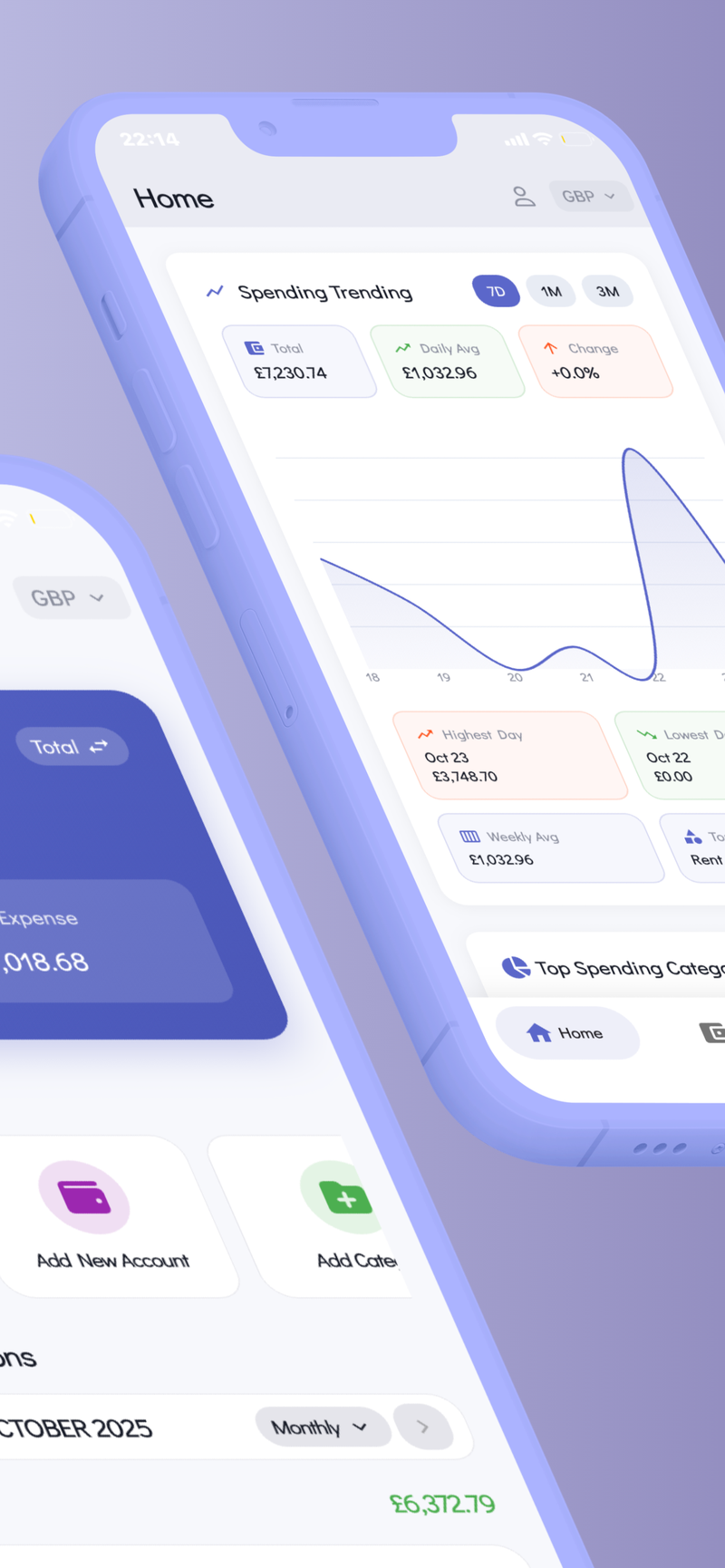
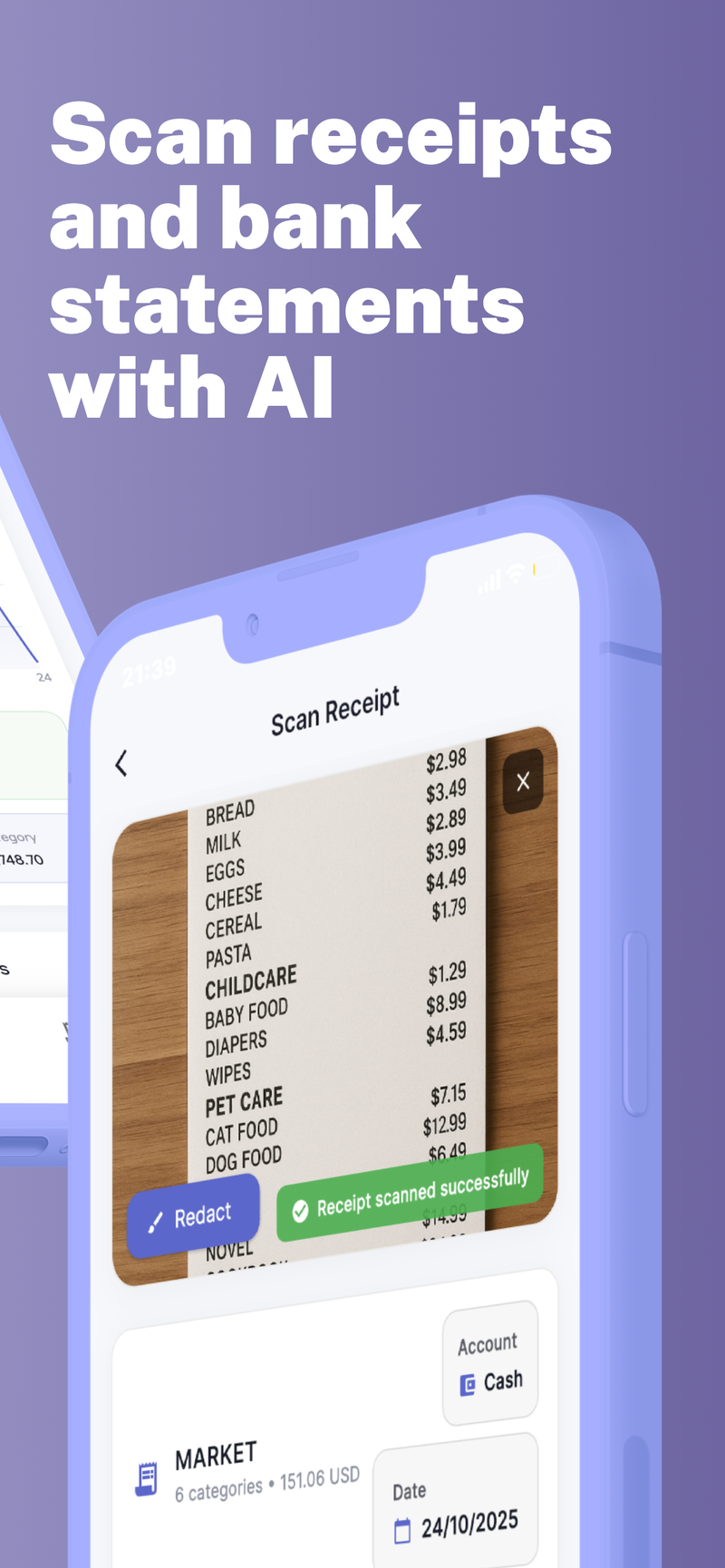
If you’re looking for a practical way to manage multiple family budgets privately and efficiently, Fokus Budget can help with its Multi-Profile Support. It’s designed to keep sensitive data on your device while giving you a clear view of where every dollar goes across to-and-for family members.