
·Health
From Urges to Action: A Simple Plan for Nicotine Freedom
Cravings can feel overwhelming, but they are temporary. This guide offers practical steps to observe urges, delay actions, and replace routines with healthier habits. Build a simple plan, ride out the craving, and track progress to move toward nicotine freedom.
smoking cessationvaping cessationcraving managementhabitshealth
Introduction You’re not alone if cravings feel louder than your resolve in the first days of quitting. An urge can seem to arrive with noise, almost demanding that you act now. The truth is that urges are a normal part of nicotine withdrawal, and they tend to pass on their own if you have a plan to ride them out. This article offers a simple, actionable approach to turn those urges into deliberate actions you control. The core idea is simple: observe the urge, delay the response, and replace it with a healthier action. When you consistently apply this habit, your brain learns a new pattern, and what once felt automatic becomes a conscious choice over time. ## Main Content ### Understand the urge: the urge as a three-part cycle Cravings typically flow through three stages: - Cue: a trigger or situation that signals nicotine use is possible (stress, coffee breaks, a social setting, finishing a meal). - Craving: the intense desire to smoke or vape that follows the cue. - Response: the act of smoking or vaping, or choosing not to. Cravings are usually short lived, often peaking around 3–5 minutes and fading after about 10–15 minutes if you don’t act on them. Knowing this timing can help you ride out the wave instead of giving in. ### Build a simple, personal plan Turn your goal into a concrete plan you can follow every day: - Decide your main goal: completely quit or reduce. Set a target timeline (e.g., 8–12 weeks) and plan duration. - Identify your top triggers: morning coffee, after meals, social events, stress, or certain places. - Prepare substitutes for each trigger: - During a craving, drink water or herbal tea. - Replace a cigarette or vape with a quick 5-minute walk or a set of deep breaths. - Keep hands busy with a stress ball or fidget toy. - Create an urge-action rule: when an urge hits, do a 2-minute delay plus one alternative action before deciding. If the urge remains after 2 minutes, extend the delay incrementally. - Change your environment: remove obvious triggers when possible (empty packs, lighters, or charging stations for vapes); rearrange routines to avoid familiar cue moments. - Track your progress: log daily cigarettes or puffs avoided, money saved, and mood changes. Seeing progress reinforces the new pattern. ### Urge surfing and practical tactics Adopt strategies that help you ride the urge rather than fight it head-on: - 4-4-4 breathing (inhale 4, hold 4, exhale 4) to calm the nerves and reduce immediate urge intensity. - Cold water or a few ice-cold sips to break the automatic hand-to-mouth action. - A brisk 5–10 minute walk to shift attention and reset your nervous system. - Mouth substitutes: sugar-free gum, mints, or a healthy snack when the urge is linked to a mouth habit. - Delay technique: tell yourself you’ll revisit the urge in 10 minutes; most urges fade or become manageable after that window. ### Daily routines that support nicotine freedom Consistency matters. Small daily choices compound: - Morning routine: start with a 5-minute stretch, a glass of water, and a plan for the day—before coffee or tea, if coffee is a trigger. - Work breaks: step outside or move during breaks instead of reaching for a cigarette or vape. - Meals and snacking: have structured mealtimes and healthy snacks to reduce the habit of dipping into nicotine after meals. - Evening wind-down: create a non-nicotine ritual to replace the familiar post-work or post-dinner cue (a short walk, a shower, or reading). ### Support, accountability, and motivation Crucial elements that boost success: - Tell a trusted friend or family member about your quit plan so they can help you stay on track. - Join a support group or community where you can share wins and challenges. - Use a rewards system for milestones (non-tobacco-related rewards like a movie night, new workout gear, or a favorite meal). - Keep a simple journal: note triggers, what you did instead of smoking, and how you felt afterward. ### When to seek extra help If cravings feel unmanageable or withdrawal is causing significant distress, consider evidence-based options: - Behavioral counseling can markedly improve quit chances when combined with medications. - Nicotine replacement therapy or other medications can double or triple quit odds compared with quitting alone, depending on the approach and adherence. - Consult a clinician to tailor a plan that fits your health profile and preferences. ### Realistic expectations and data points Quitting is rarely a straight line. Most people make several quit attempts before lasting success. The good news is that with a structured plan, support, and appropriate tools, quit rates improve significantly. Behavioral support plus medication is consistently shown to improve outcomes compared with trying alone. The key is to keep the plan simple, flexible, and repeatable, especially during tough days. ### Practical starter steps you can take today - Step 1: Write down your top 3 triggers and your go-to alternatives for each. - Step 2: Pick one daily action that replaces a smoking or vaping moment (eg, 5-minute walk during mid-morning slump). - Step 3: Log your progress at the end of the day, including money saved and mood notes. ## Conclusion Quitting or reducing nicotine is a journey built from small, repeatable actions. By understanding urges, planning specific responses, and building steady routines, you can convert cravings into meaningful progress. Stay curious about what triggers you, embrace the delay, and use the substitutes that keep you moving toward your goal. With time, the urge to smoke or vape becomes less automatic and more like a choice you make on purpose. If you’re looking for a guided start, consider a structured onboarding and personal setup to tailor your plan to your situation. Such features can help you choose your product type, set a clear goal, pick a timeline, and track your daily usage and expenses. This kind of framework—often found in programs that emphasize onboarding and


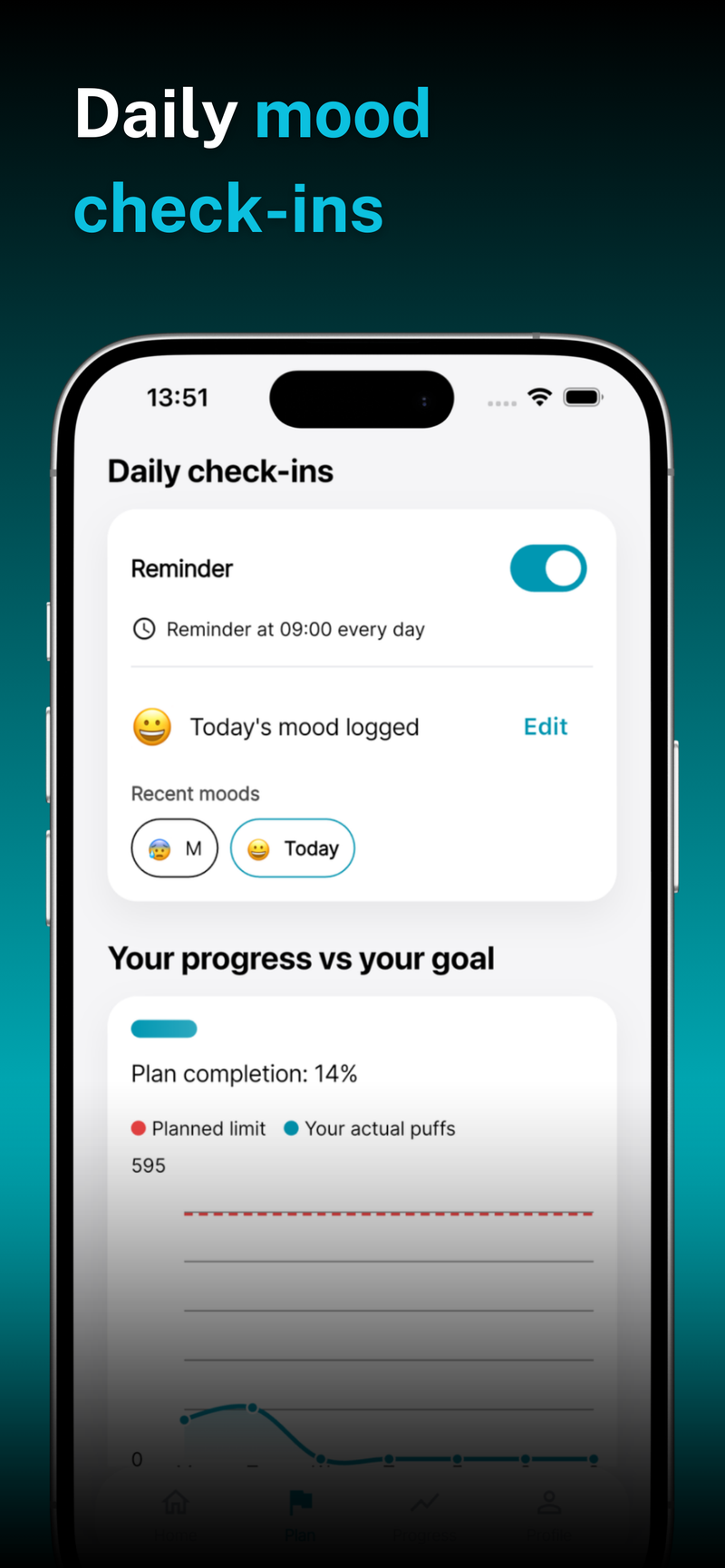

Daily MotivationProgress TrackingHealth MilestonesMoney Saved
💪 Onboarding & Personal Setup