
How to Build a Family Emergency Fund in 4 Steps
Ready to stop worrying about what might go wrong and start preparing for what could go right? This four-step guide helps families build a reliable emergency fund with practical, actionable steps you can start today.
Introduction
Have you ever faced an unexpected bill and felt the sting of not having a safety net? A lack of emergency savings is one of the most common financial stressors for families. Even with a steady income, life can throw curveballs—car repairs, medical bills, job changes—that derail your plans. The good news: you can build a reliable emergency fund with a plan that’s simple enough to stick to, even on a tight budget.
Step 1: Define your target and baseline
How to determine essential expenses
Start by listing your essential monthly costs. Focus on what you truly need to survive and stay protected:
This gives you a clear picture of your baseline needs, separate from discretionary spending."
Set your fund target
Most experts recommend 3–6 months of essential expenses. If your income is steady and predictable, 3 months may be a solid start. If your income fluctuates or you’re the primary breadwinner, aim closer to 6 months. If you’re just starting, it’s perfectly fine to begin with an initial cushion of $1,000 and grow from there.
Example: A family with essential monthly expenses of about $4,000 would target between $12,000 and $24,000 for a 3–6 month emergency fund.
Make the target concrete
According to recent data, many households lack even a small emergency cushion, underscoring how important it is to start with a clear target and a practical plan.
Step 2: Create a dedicated savings habit
Create a separate, accessible fund
Open a dedicated savings account (or a clearly labeled sub-account) exclusively for emergencies. Keeping the fund separate reduces the temptation to dip into it for non-emergencies.
Automate every month
Set up automatic transfers from your checking to your emergency fund on payday. Treat this like a non-negotiable bill. Even small, regular contributions compound over time.
Start small, then scale
If you’re new to saving, start with achievable amounts:
As you adjust your budget, increase the monthly transfer. Pair automatic transfers with a round-up approach: round up purchases to the next dollar and send the difference to the fund.
Use zero-based budgeting
Give every dollar a job. If you identify a surplus, direct it toward the emergency fund rather than letting it float in your checking account.
Build momentum with a realistic timeline
Aim to hit an initial milestone (e.g., $1,000) within the first 2–6 months. Then focus on growing toward the full 3–6 months of essential expenses.
Step 3: Build momentum with practical strategies
Cut wasteful spending
Review subscriptions and recurring charges you rarely use. Consider downgrading plans, or pausing services you can live without. Small cuts add up over time.
Use windfalls wisely
Tax refunds, bonuses, gifts, or any unexpected money should be directed to the emergency fund first. Treat windfalls as accelerants rather than extra spending power.
Boost income where it makes sense
If feasible, pick up a small side gig, freelancing project, or a temporary extra shift. Even modest extra income can speed up your progress without squeezing your daily life.
Keep the fund liquid, but not instantly accessible
Your emergency fund should be easily accessible for true emergencies, but it’s wise to avoid using it for impulsive purchases. A high-liquidity savings account balances accessibility with safety.
Reassess targets as needed
If your essential expenses rise (new rent, higher insurance, baby essentials) or you experience a change in income, adjust the target accordingly.
Step 4: Review, adjust, and stay flexible
Regular check-ins
Set a calendar reminder every 3–6 months to review your budget, confirm your target still fits your life, and update your plan. If you receive a raise or pay off debt, reallocate the freed funds to the emergency fund.
Life events require recalibration
Major milestones—new job, relocation, expanding family—change both needs and timing. Recalculate essential expenses and reset the target to reflect reality.
Avoid risky investments for this money
Emergency funds should prioritize liquidity and safety. Avoid locking the money into long-term investments that could lose value when you need it most.
A practical expectation
Building a full 3–6 month fund takes time, especially on a tight budget. The key is consistency: small, regular contributions beat occasional large deposits that don’t stick. Over months and years, the fund becomes a reliable safety net that reduces panic in tough moments.
Conclusion
A well-planned emergency fund is more than just money in the bank—it’s peace of mind for you and your family. By defining a realistic target, automating savings, and using practical strategies to grow steadily, you can create a safety net that withstands life’s surprises. Remember to review your plan as life changes and celebrate the milestones along the way.
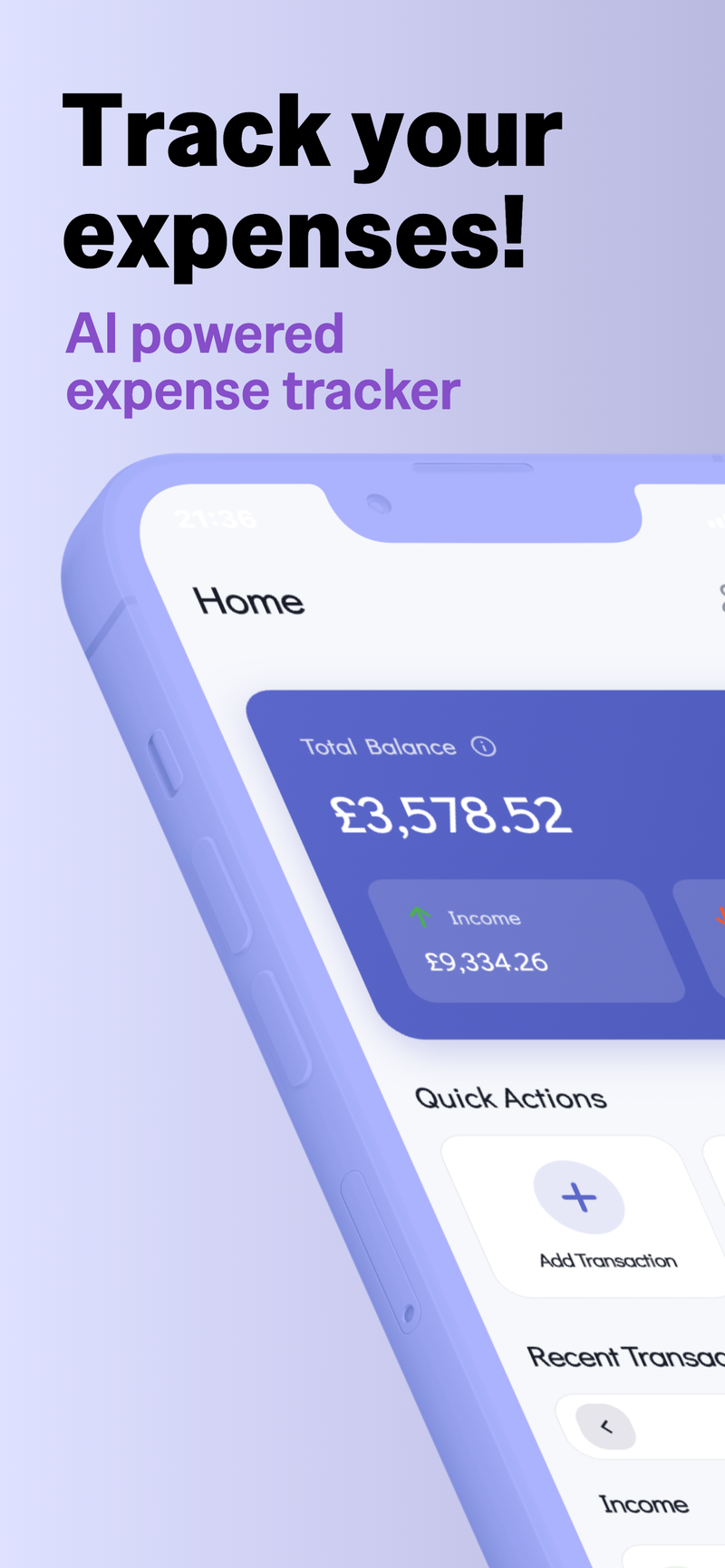
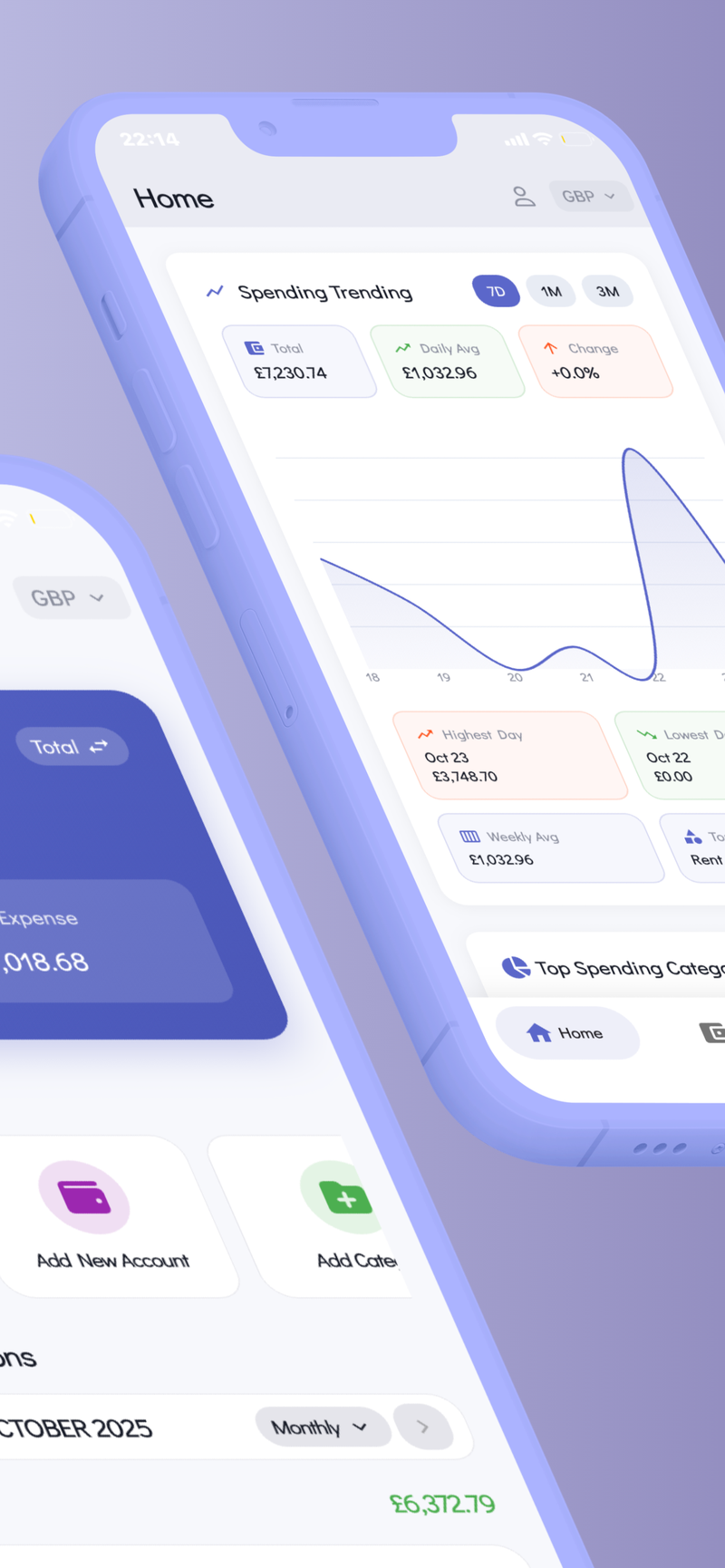
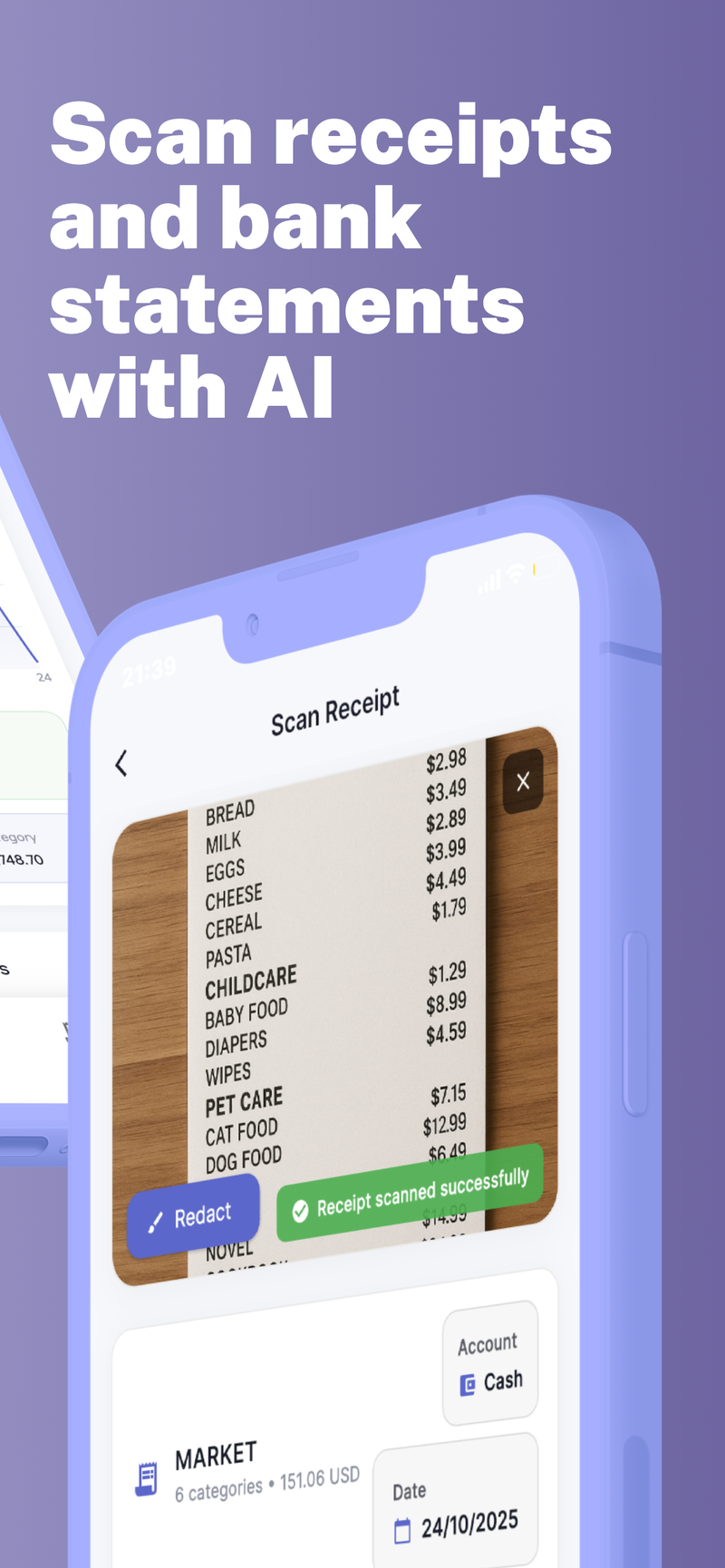
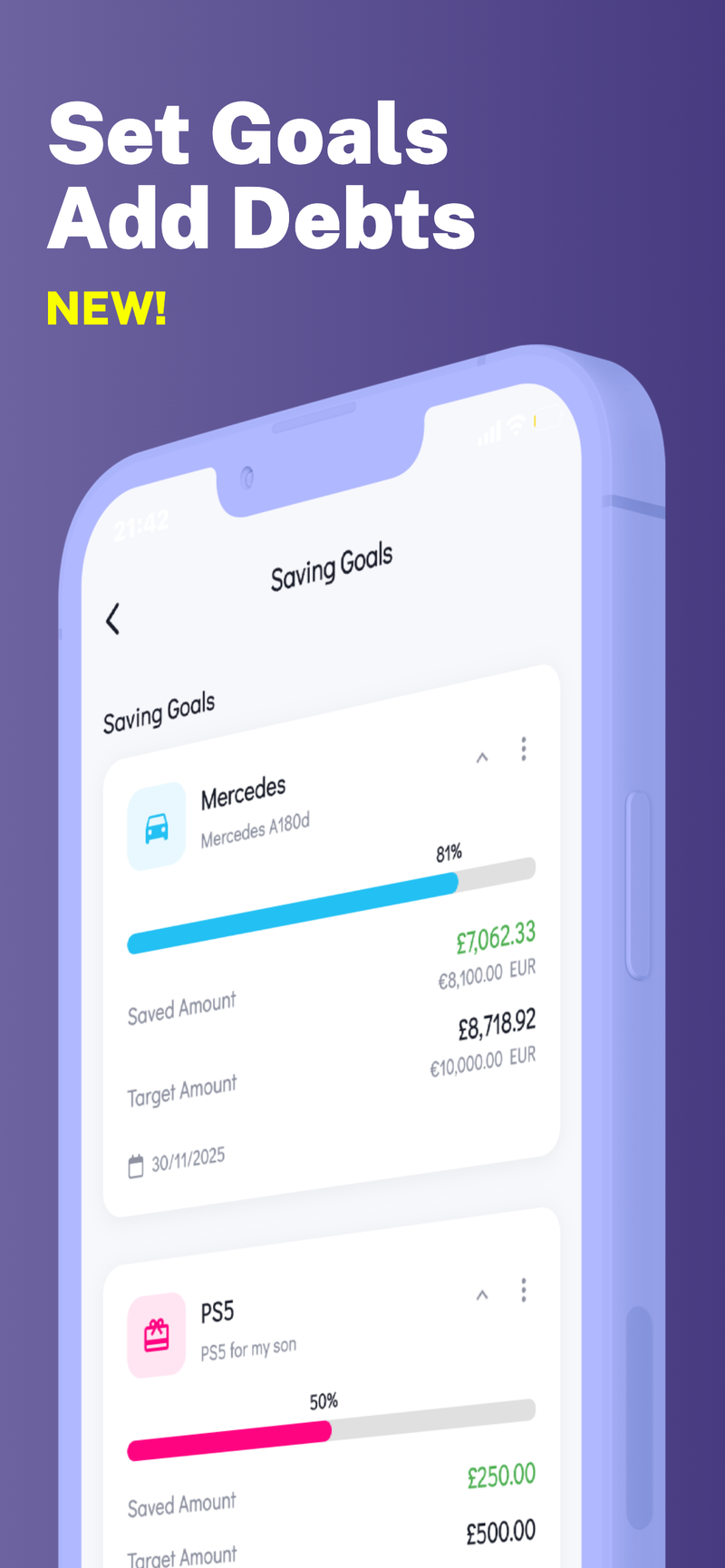
If you’re looking for a practical tool to help organize this plan and keep savings on track, Fokus Budget can help with privacy-first on-device data and multi-profile budgeting to manage family finances more smoothly. It’s a quiet, secure way to support your bottom line without adding complexity.

✨ Privacy-first on-device data with multi-profile budgeting