
How to Build a Foolproof Monthly Budget That Works
Learn a practical, repeatable system to build a monthly budget that actually sticks. From tracking expenses to prioritizing goals and preparing for irregular costs, this guide offers real, doable steps you can implement today.
Introduction
Are you tired of watching your paycheck vanish before the month ends? You’re not alone. Even with the best intentions, fluctuating income, surprise bills, and everyday temptations can derail a budget. The good news: a simple, repeatable process can turn budgeting from a chore into a reliable plan. This guide lays out a practical, actionable framework you can start using today.
A practical blueprint for a foolproof monthly budget
Step 1 — Anchor income and set clear goals
Begin with your real take-home pay. If you have irregular incomes, use a typical month or an average over several months. Write down two to three goals you care about most this year (for example, building an emergency fund, paying off a specific debt, or saving for a family vacation).
Tip: the bigger your goal, the more consistent your monthly plan needs to be. Start by allocating money toward the goal before discretionary spending, so you don’t lose sight of what matters.
Step 2 — Map needs vs. wants and choose a framework
List all categories you must cover (needs) and those you can adjust (wants). A popular starting point is the 50/30/20 framework, but you can tailor it:
If your situation requires more needs, shift the ratios accordingly (e.g., 60/20/20 or 70/15/15). The key is to keep a balance that protects essentials while still funding your goals.
Step 3 — Turn targets into a concrete category plan
Assign dollar targets to each category. For example, with net income of $4,200:
Having specific numbers keeps you honest when the month gets busy.
Step 4 — Build in a buffer for irregular costs
Not every month is the same. Create a small buffer for irregular expenses (car maintenance, medical copays, school supplies). A simple approach:
Step 5 — Automate and streamline
Automation reduces friction:
Step 6 — Schedule a weekly and monthly check-in
Short, regular reviews keep you on track:
Step 7 — Plan for debt payoff and long-term savings
If debt is a priority, strike a balance between minimum payments and extra payments. For savings, automate a consistent transfer to an emergency fund or retirement account. The goal is progress, not perfection.
Step 8 — Prepare for seasonal costs
Holidays, back-to-school, and vacation seasons can derail budgets. Create small, recurring contributions to a seasonal fund each month so big costs don’t disrupt your plan.
Step 9 — Review and iterate
Budgeting is a living process
Practical takeaway
A foolproof budget isn’t about strict rules—it’s about a repeatable system that fits your life. Start with a clear income baseline, separate needs from wants, assign concrete targets, and build buffers for the unexpected. Automate what you can, review regularly, and adjust with intention rather than impulse.
Conclusion
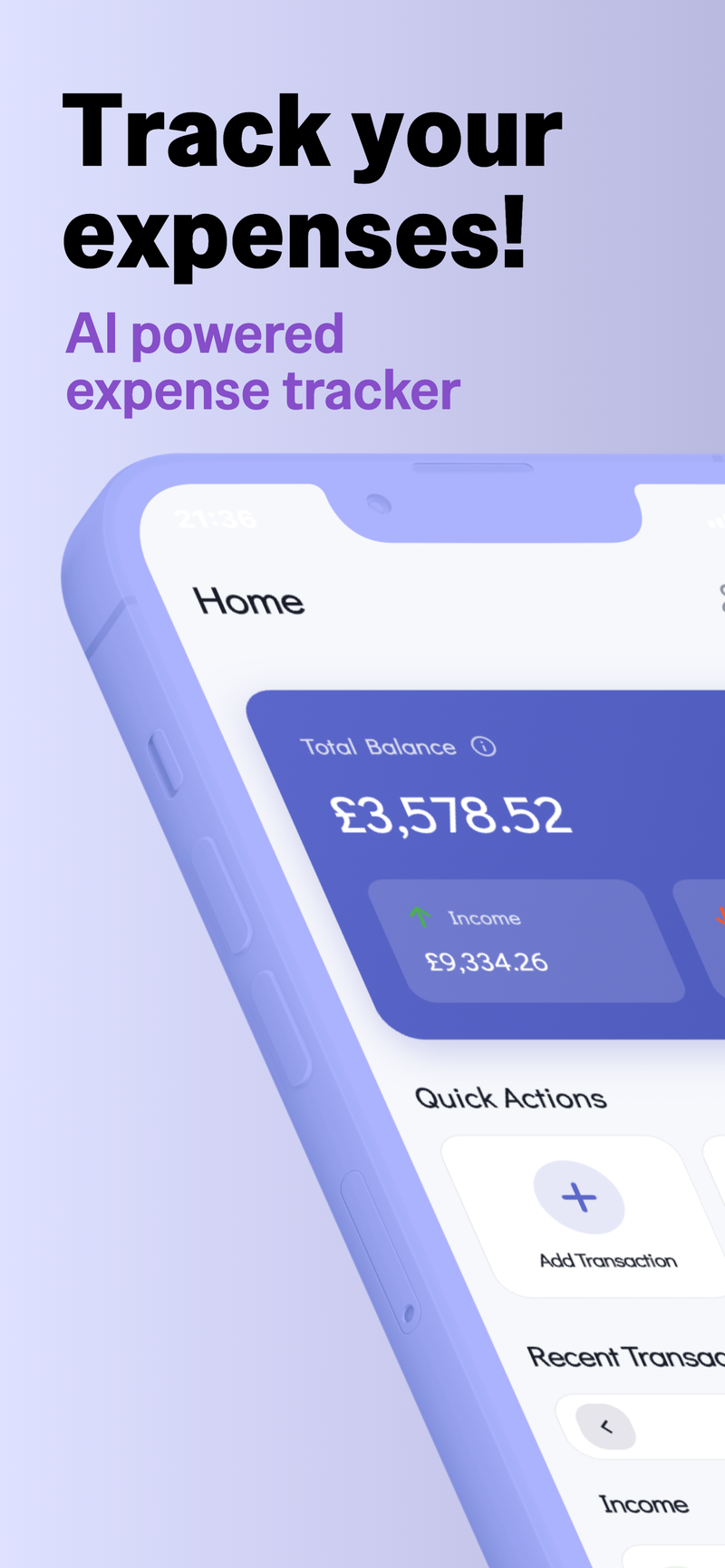
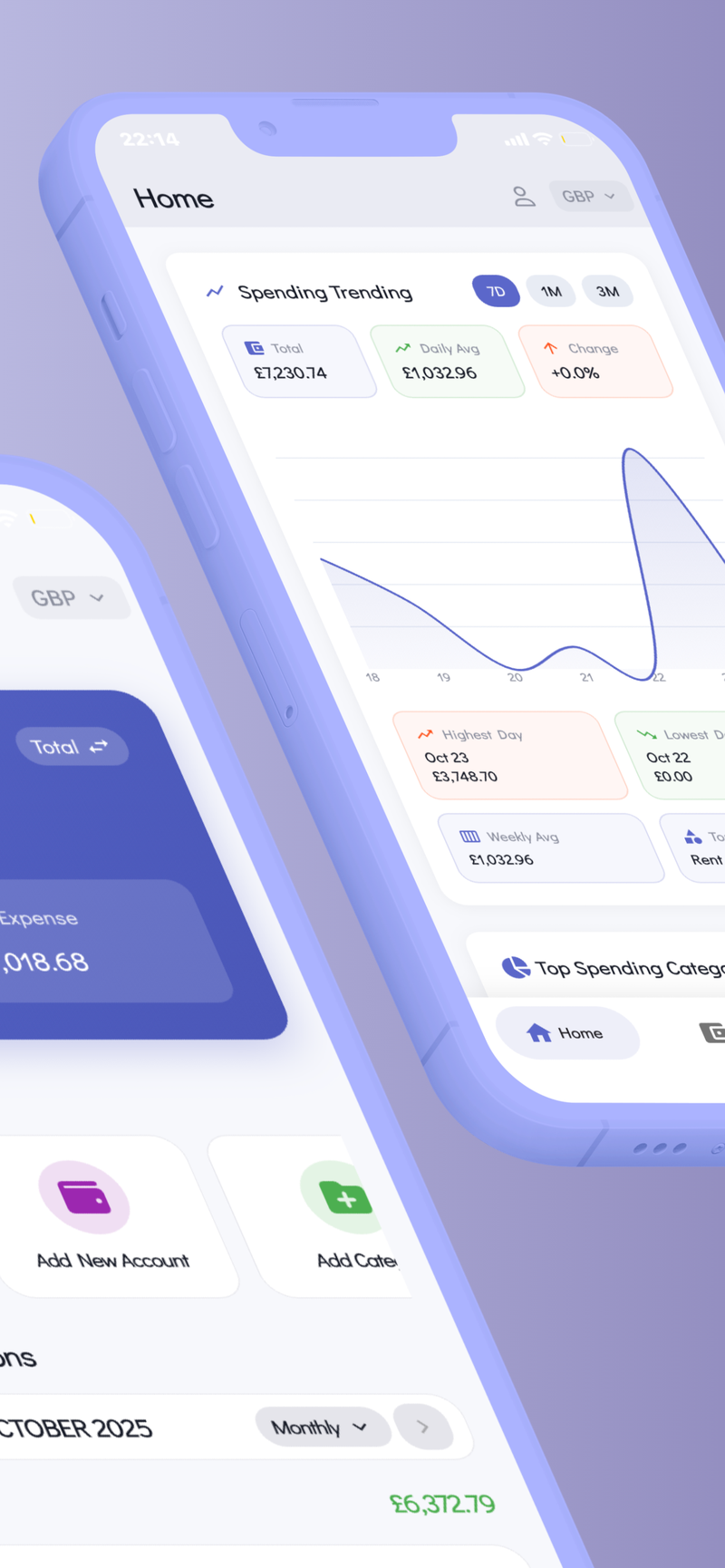
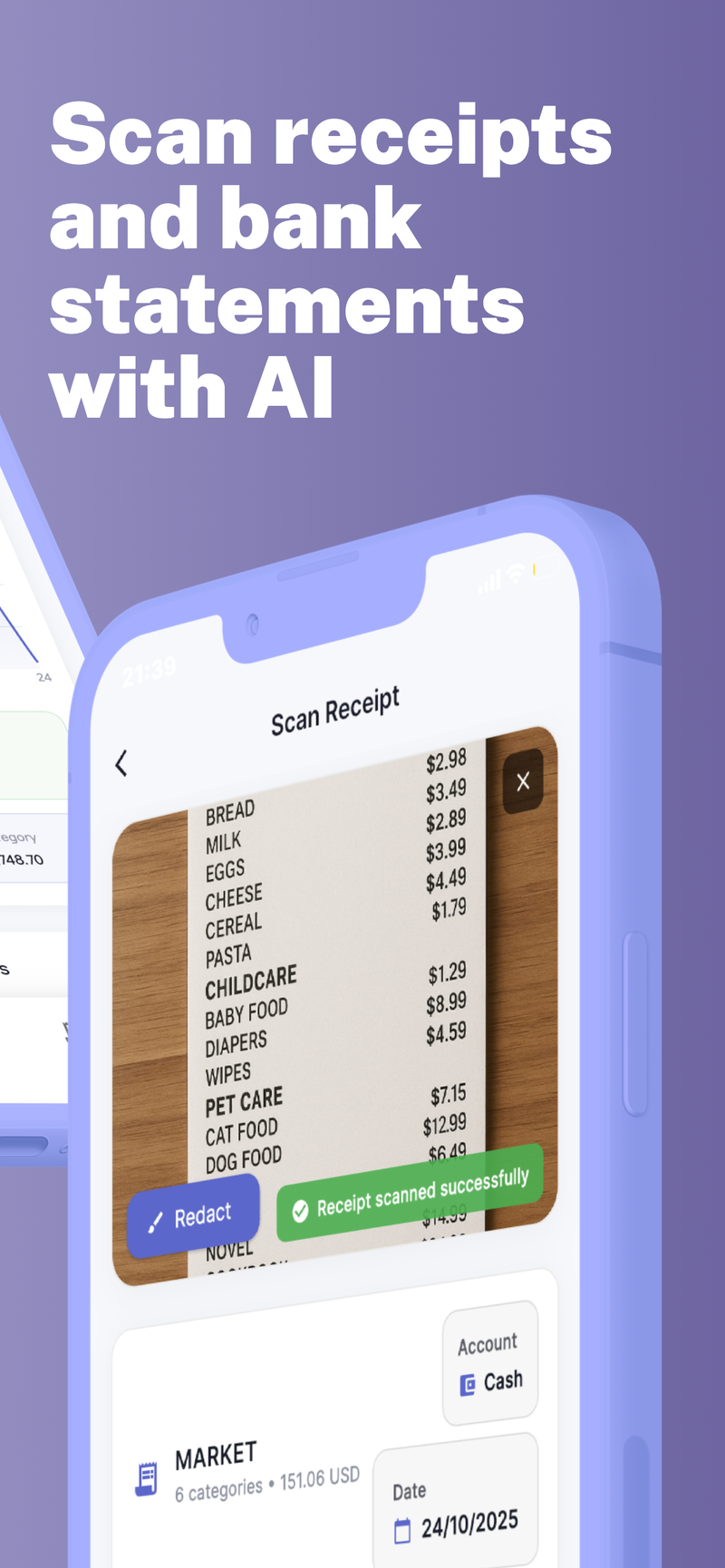
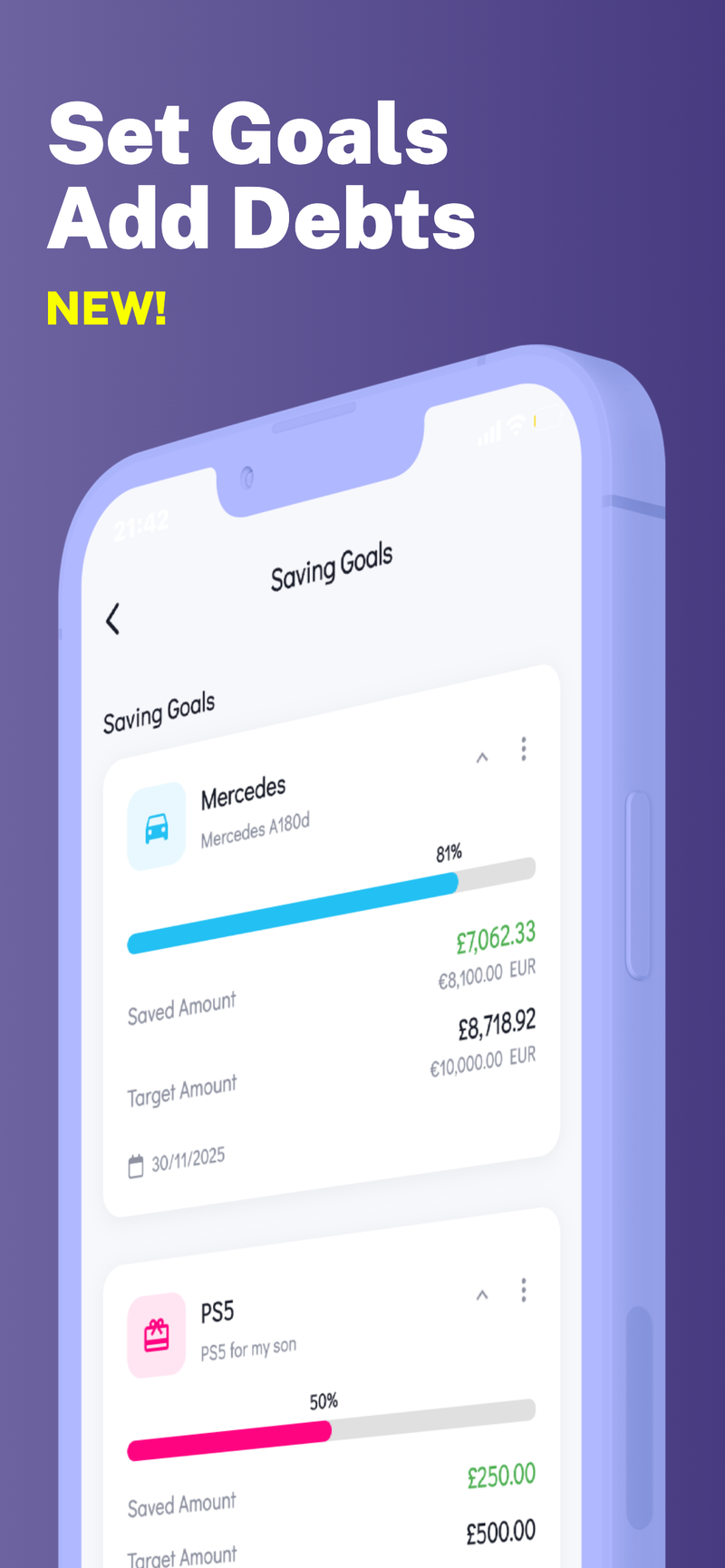
If you’re juggling multiple roles—personal, family, or small business budgets—having a single plan that keeps separate streams organized can make all the difference. A thoughtful approach, maintained consistently, builds momentum and peace of mind. If you want a tool to help you apply this plan across different budgets without losing privacy or control, Fokus Budget can help with Multi-Profile Support.

✨ Multi-Profile Support