
How to Build a Realistic Monthly Budget in 5 Steps
Learn a practical, five-step framework to build a realistic monthly budget you can actually follow. Capture your current spending, set sensible targets, and create a simple tracking system that grows with your needs.
Introduction
Budget conversations often start with good intentions but end in frustration. You want to save more, reduce debt, and feel confident about your money—but months slip by without a real plan. The good news: you don’t need a perfect budget. You need a realistic, repeatable framework you can actually use each month.
Step 1: Capture your current reality
The first step is honesty about what actually happens, not what you wish happened. Spend 4 weeks tracking every dollar to understand where your money goes.
Example: If your take-home pay is $4,000 and you end up spending $3,600 in a typical month, you’ll know you have $400 that could be redirected toward savings, a debt payment, or a buffer for irregular costs.
Step 2: Define must-haves and targets
With your reality in front of you, set clear anchors for the month.
Tailor this step to your reality. If you have substantial debt, you might allocate more to payments in the 20% category; if you’re growing a family, you may expand needs while trimming wants.
Step 3: Set realistic, flexible targets
Targets should be precise enough to guide behavior but flexible enough to adapt to life’s changes.
Example: A family with $5,000 monthly income might target: Needs $2,800, Wants $1,100, Savings/Debt $1,100. If a month brings extra income, assign it to the fund that needs it most rather than spending it all.
Step 4: Create a budget you can actually follow
The best budget is one you don’t dread using.
A practical budget doesn’t eliminate flexibility; it creates a predictable framework that frees you from mystery around your money.
Step 5: Review, adjust, and automate
Budgeting is an ongoing process, not a one-time setup.
A little consistency goes a long way. The goal is a budget you can live with, not a script you can’t follow.
Extra tips for staying on track
Conclusion
A realistic monthly budget is less about perfection and more about consistency. Start with a clear picture of your current spending, set sensible targets, create a simple tracking system, and review regularly to tighten or adjust as needed. By turning intention into small, repeatable actions, you can gain real control over your money and reduce financial anxiety.
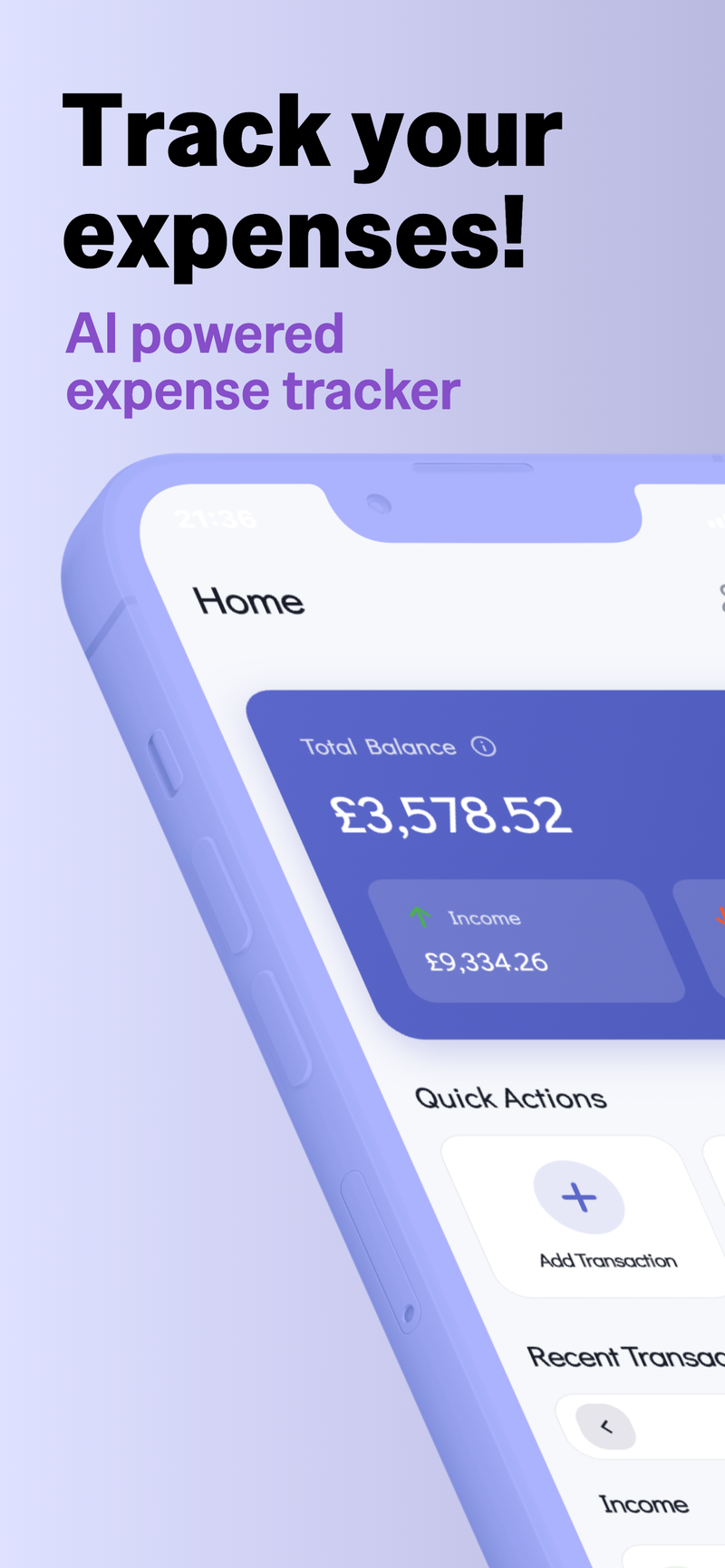
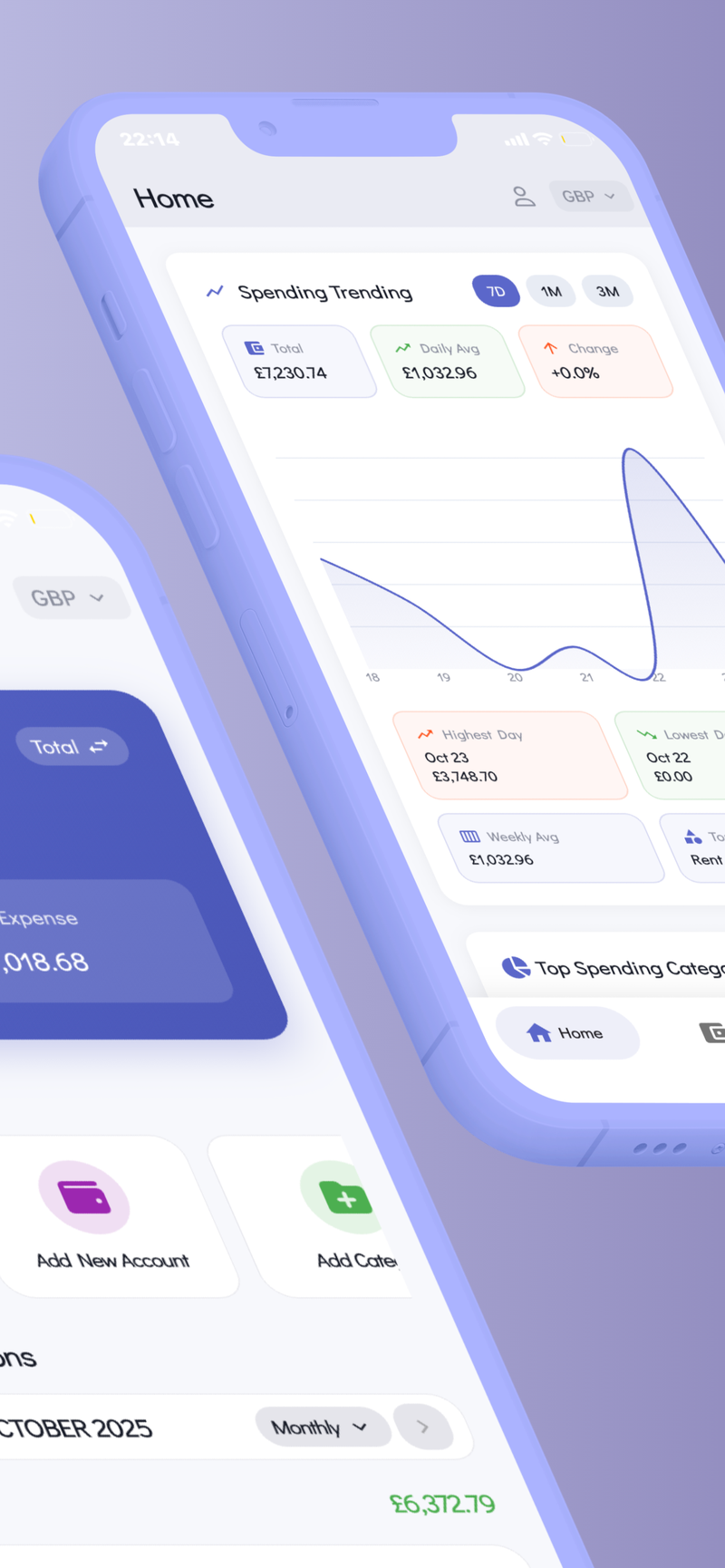
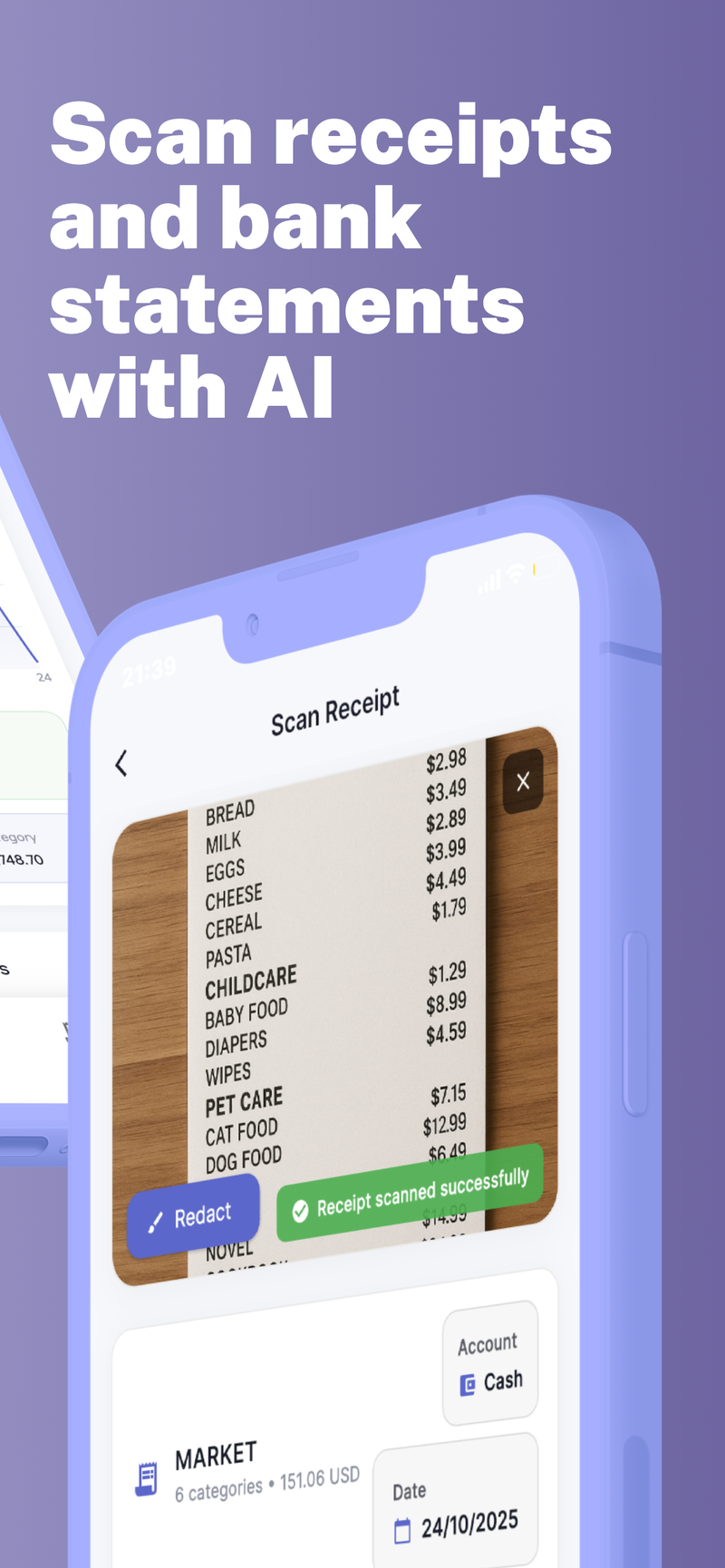
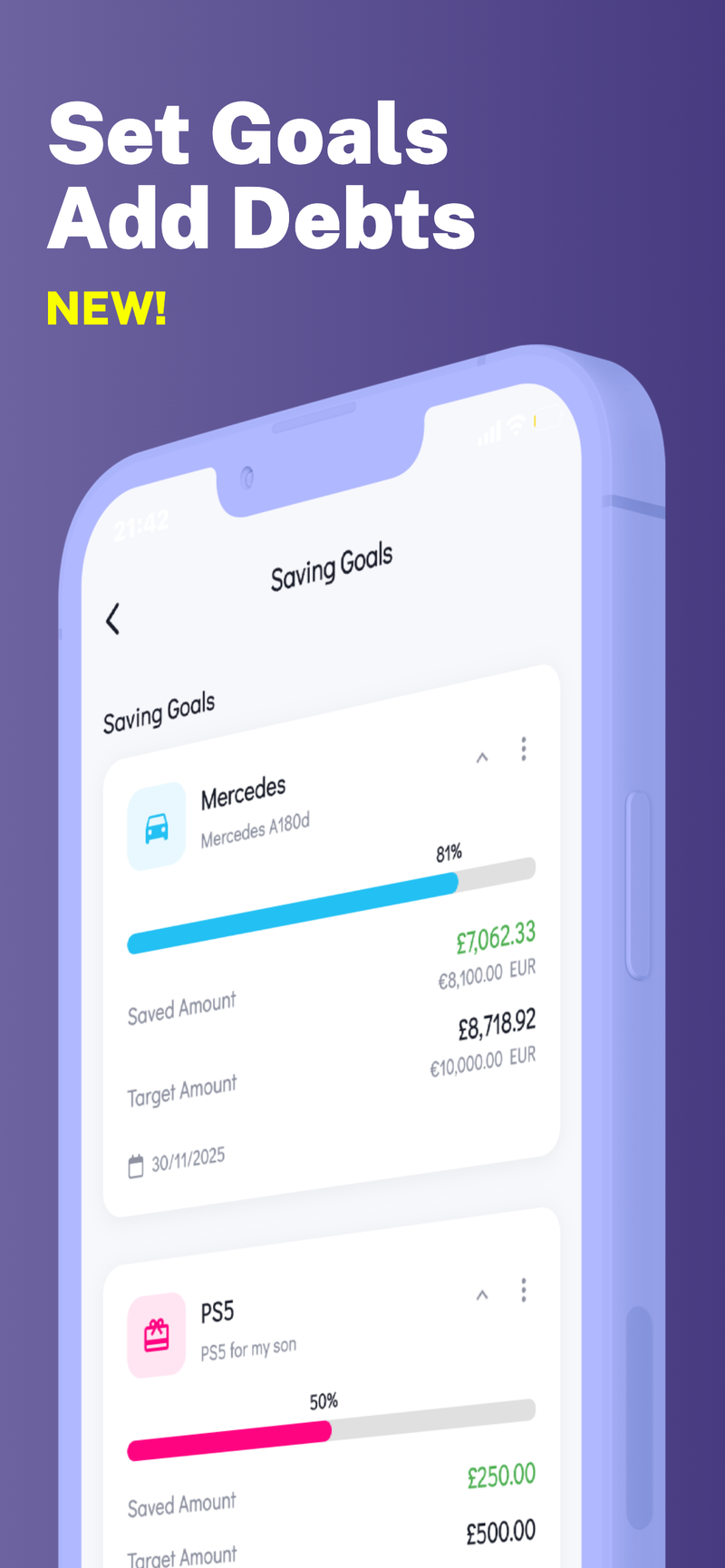
If you’re looking for a budgeting tool that supports this approach while prioritizing your privacy, Fokus Budget can help. It emphasizes on-device data storage and a privacy-first design, so your financial information stays secure as you implement these steps.

✨ On-device data privacy and security