
·Health
How to Build a Support System When Quitting Nicotine
Quitting nicotine is easier with a solid support system. This guide offers actionable steps to build the right people, routines, and strategies to stay on track. Learn to map your network, set expectations, and create practical coping routines.
smoking cessationnicotine withdrawalbehavioral supportquit smokingvaping cessation
Introduction Quitting nicotine isn’t just a personal decision; it’s a social one too. When your environment, routines, and relationships support your goal, you’re dramatically more likely to succeed. On the flip side, going it alone can turn cravings into shortcuts back to cigarettes or puffs. Research backs this up: behavioral support can meaningfully improve quit rates, and many people find success when they have a reliable circle around them. If you’re ready to build that circle, here are practical, actionable steps you can start today. ## Build a support system that sticks A strong support system isn’t a single cheerleader. It’s a network with clear roles, predictable touchpoints, and strategies for tough moments. Here’s how to create one that lasts. ### Map your core supporters - Identify 3–5 key people who will be consistent, honest, and nonjudgmental. Mix a few types: someone who will celebrate small wins, someone who will hold you accountable, and someone who can be a calm voice when stress spikes. - Decide how you’ll check in. Will you text daily, have a weekly call, or meet in person? Consistency beats intensity here. - Share your quit date and a brief plan. Clarity helps others know when and how to step in. ### Set expectations and boundaries - Be explicit about what you need. For example: “If I’m craving, please ask me what I’ve done in the last 10 minutes to stay busy.” - Create a cue for help. A single word or emoji can signal a craving moment so your supporters respond quickly. - Agree on communication norms. If you don’t want criticism, say so upfront: you’re seeking support, not lectures. ### Include professional and peer resources - Consider quitlines, counseling, or support groups as formal parts of your system. They provide structure, accountability, and evidence-based strategies. - Online communities can add a layer of anonymity and accessibility. Participating regularly helps you normalize cravings and learn from others’ experiences. - If you have a partner with similar goals, you can design joint routines that reinforce both of your quit efforts. ### Build practical coping routines for everyday triggers - Create a short “urge toolbox.” Five-minute distractions (a walk, a quick stretch, a chat with a friend, a glass of water, or a brisk chore) can stop cravings in their tracks. - Rework rituals that used to accompany nicotine. If you smoked after meals, add a 5-minute walk or a post-meal puzzle instead. - Prepare for high-risk moments in advance. Before a party or movie night, arrange a non-tobacco-friendly plan with your support people. ### Track, celebrate, and adjust - Keep a simple log of cravings, what worked, and who checked in on you. Weekly reviews help you see patterns and celebrate progress. - Use the money you save as motivation. A visible, tangible reward reinforces positive behavior. - Be flexible. Your network should adapt as your goals shift—from cutting back to quitting entirely, or vice versa. ### Plan for setbacks without spiraling - Expect slips. They don’t erase progress; they’re data you can learn from. - Have a reset plan: identify a specific day to recommit, who you’ll message, and a short list of coping strategies you’ll try first. - Reconnect quickly. Send a quick note to your core supporters when a setback happens; their accountability helps you get back on track faster. ### Different paths, same foundation - Nicotine is a habit-environment loop. Your support system should address both the social and the physical cues that drive craving. - Whether you’re quitting cigarettes or vaping, the same principles apply: honest communication, reliable accountability, and practical coping. ## Practical steps you can implement this week 1) Pick 3 supporters and schedule a 15-minute intro chat to share your plan and needs. 2) Write a one-sentence plan you’ll share: when your quit date is, your goal (monitor & reduce vs. quit), and how you’d like to be supported. 3) Create a simple urge toolbox (water bottle, quick walk, ice cube, music playlist, breathing exercise). 4) Set a weekly check-in time with your circle and a passive way for them to reach you if cravings spike. 5) Join one professional or peer support option (stop-smoking hotline, local group, or online forum) to complement your circle. ## Understanding the power of support with data - Behavioral support can significantly improve quit rates. Depending on intensity, quit rates can rise by roughly 25–60% compared with minimal intervention. - Many people who quit with support report higher confidence and longer-term abstinence at six months and beyond. - Daily accountability, even in small doses, compounds motivation and reduces the chance of a lapse forging into a relapse. ## Common pitfalls to avoid - Going silent or withdrawing when cravings spike. Isolation weakens your plan. - Waiting for a perfect moment to tell your circle. Start now; a plan in motion is more powerful than a flawless plan on paper. - Relying on a single person. A diverse support network reduces burden on one individual and offers different kinds of encouragement. ## Nicotine vs. vaping: different triggers, same toolkit - Cigarettes often have strong situational cues (smoking after coffee, during breaks). Vaping may be tied to social contexts or routines. Your network should help you reframe these cues and practice alternative behaviors. - Keep a shared list of triggers and successful coping strategies so your supporters can reference them during tough moments. ## Conclusion: putting it all together A well-constructed support system is one of the most powerful tools you have when quitting nicotine. Start by identifying trusted people, setting clear expectations, and layering in professional or peer support. Build practical routines, track progress, and pre-plan for potential setbacks. With consistency, your circle becomes your backbone, not just a source of encouragement. If you’re looking for a guided way to structure th


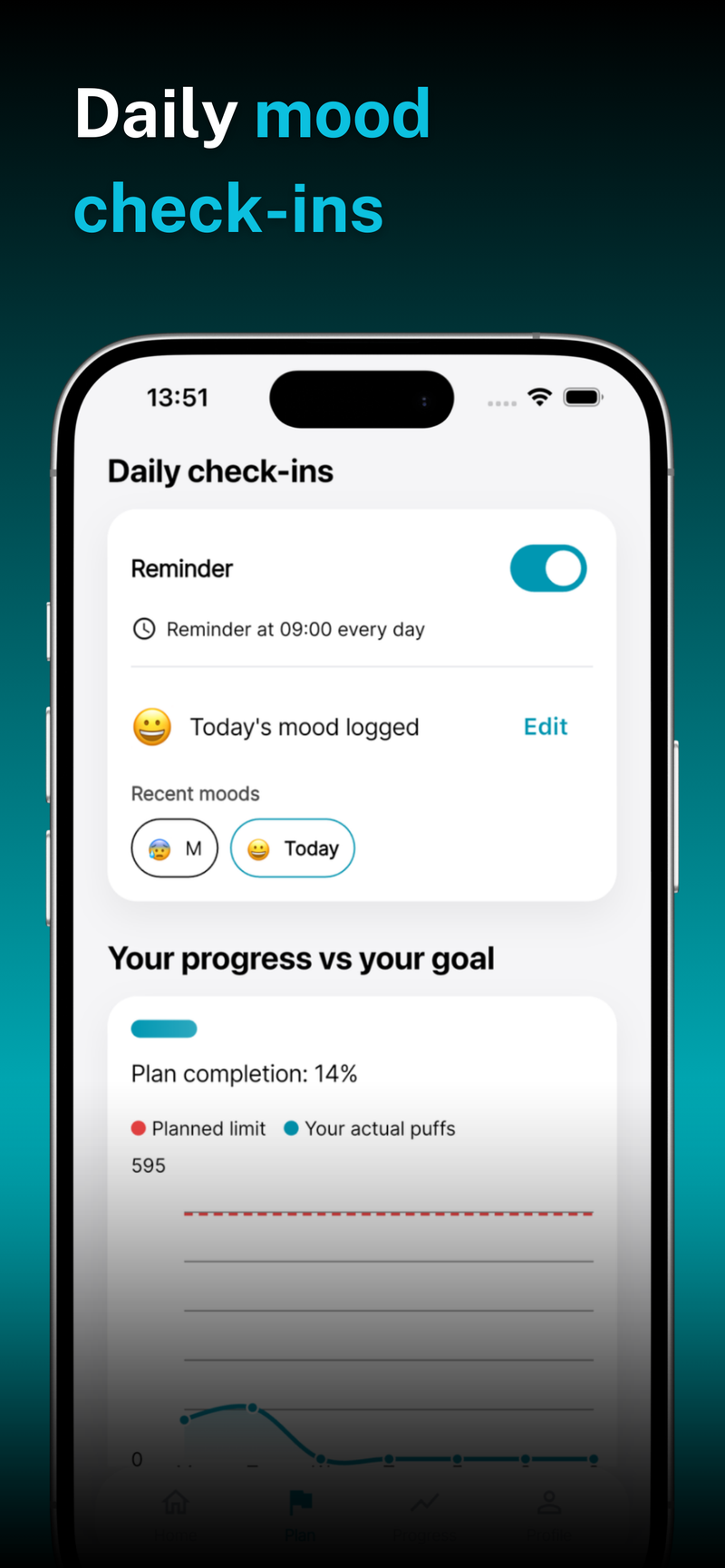

Daily MotivationProgress TrackingHealth MilestonesMoney Saved
💪 Onboarding & Personal Setup