Introduction
Quitting smoking or vaping often feels like a battle against cravings that arrive on autopilot. You decide to quit, but triggers show up in predictable places—morning coffee, after meals, stress at work, or social events. The urge isn’t just psychological; it’s a habit loop that wants to restore your old routine. The good news: you can design a plan that weakens those triggers and makes your new reactions automatic.
Main Content
Clarify your goal and timeline
Decide whether you want to quit entirely or reduce first.Set a concrete quit date or a clear reduction milestone.Choose a plan length that fits you (4–12 weeks is common).Record your current daily use and money spent to visualize the incentive to change.Map your triggers
Identify what tends to spark a craving so you can prepare in advance:
Internal triggers: stress, fatigue, boredom, nicotine withdrawal symptoms.External triggers: coffee and alcohol, after meals, social gatherings with smokers or vapers.Situational triggers: being in certain places or with certain routines.Build your coping toolkit
Create a set of go-to moves when a craving hits:
Delay the urge with a 5-minute rule; often cravings fade or shift in that window.Do something different for 5–10 minutes—take a walk, stretch, or sip water.Use quick calming techniques: box breathing (4-4-4-4) or paced breathing.Substitute with healthier alternatives: sugar-free gum, mint, or a chilly sip of water.Stay hydrated and eat regular, balanced meals to smooth energy dips.Move your body: a short jog, a few push-ups, or a brisk walk can reduce urge intensity.Prioritize sleep and limit alcohol, which can amplify cravings.Design a plan with if-then strategies
Translate your triggers into concrete actions:
If craving hits at work around 3pm, take a 10-minute walk and drink water.If cravings occur after meals, brush your teeth or chew gum and switch to a quick phone call with a friend.If social pressure arises, suggest a smoke-free activity or step away for a moment.If a craving lasts longer than 15 minutes, reach out to your accountability buddy or take a brief break.If stress spikes, use a 5-minute grounding exercise and postpone the behavior until you’ve used a coping strategy.Rearrange your environment
Set up your surroundings to support your plan:
Remove cigarettes, lighters, vape devices, and ashtrays from easy reach.Change daily routines that are tied to smoking or vaping (swap coffee breaks for short walks; try tea instead of a cigarette after meals).Keep triggers out of sight and replace them with reminders of your goal (a photo, a note, a money jar showing weekly savings).Build support and accountability
Tell a trusted friend or family member about your plan and check in regularly.Schedule weekly check-ins with a partner or group who can cheer you on and help you stay honest.Consider professional guidance if you feel high risk of relapse or need medical options.Track progress and adapt
Maintain a simple cravings diary: time, trigger, intensity, and what helped.Do a weekly review: what worked, what didn’t, and what you’ll adjust next week.When slips happen, treat it as feedback, not failure. Revisit your if-then plans and reset small milestones rather than abandoning the plan.Maintain and prevent relapse
Anticipate high-risk periods: holidays, anniversaries, or stressful projects.Develop a long-term identity shift: who you want to be as a non-smoker or non-vaper.Reinforce healthy habits that replace old routines, such as exercise, journaling, or a hobby.Quick wins and mindset
Celebrate small wins: a day, a week, or a month without a trigger.Track the money you’ve saved and health benefits you notice in areas like breathing and energy.Stay curious about your triggers; the more you understand them, the less power they have.Conclusion
Building a trigger-resistant quit plan isn’t about willpower alone; it’s about foresight, preparation, and flexible adaptation. Start with a clear goal, map your triggers, and assemble practical coping tools you can deploy in real time. Regular tracking turns experience into data you can learn from, week after week.
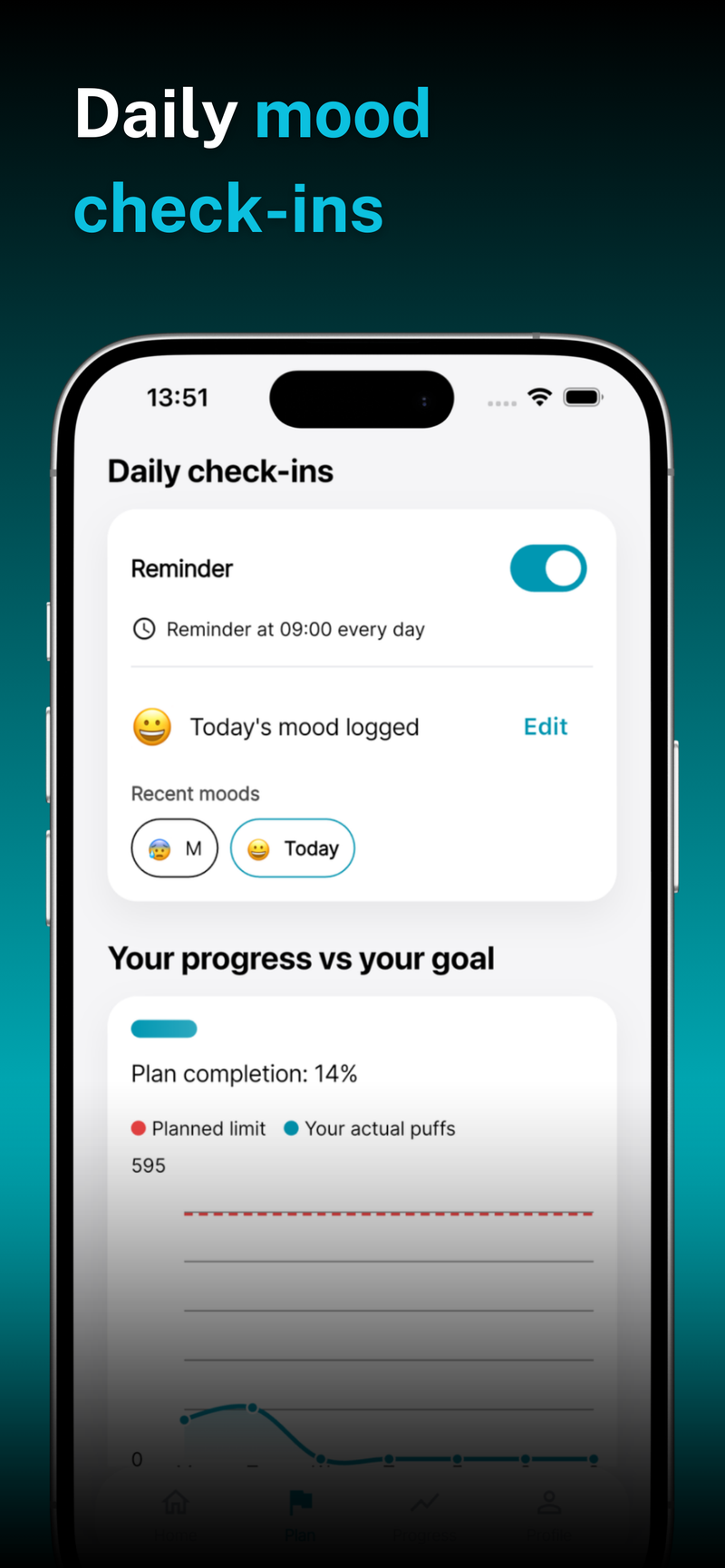
If you’re looking for a guided way to get started, a structured onboarding that helps you set your product type, define your main goal, choose a target timeline, and track progress can make a meaningful difference. Quit Smoking & Vaping can support this journey with Fokus Puff’s user-facing features, offering a practical path to a personalized quit plan.
Promoted feature: Personalized quit plan onboarding (multi-step onboarding flow).