
How to Build an Emergency Fund on a Tight Budget Today
This guide offers practical, actionable steps to build an emergency fund even on a tight budget. Learn how to set a target, automate savings, cut expenses, and stay motivated without feeling overwhelmed.
Introduction
Emergency funds are the cushion that helps you weather life's surprises without borrowing. The problem many families face is not a lack of will but a lack of space in a budget to save. According to the Federal Reserve's 2023 Survey of Household Economics and Decisionmaking, about 40% of adults would have trouble paying for a $400 emergency. If you’re in that group, you’re not alone—and you can start today with practical steps that fit a tight income.
Below is a realistic, step-by-step plan you can begin this week, without gutting essential living costs.
Why an emergency fund matters
The risk many households face
The payoff of having a fund
Set a realistic target
How much should you aim for?
Aim for three to six months of essential expenses. Essential expenses include housing, utilities, groceries, transportation, and basic healthcare. If your essential monthly costs total $2,500, a three-month fund would be about $7,500, while a six-month fund would be around $15,000.
How to calculate essential spending
1) List fixed monthly needs (rent or mortgage, utilities, insurance, groceries, transportation).
2) Add unavoidable recurring costs (minimum debt payments, child care if applicable).
3) Sum them to get your essential monthly total.
Set a target and a deadline
Choose a feasible milestone (e.g., $1,000, then $3,000, then $6,000) and set a realistic timeline based on your income. Milestones celebrate progress and keep motivation up.
Start small and automate
Pay yourself first
Treat your savings as a recurring bill that you must pay. Prioritize it before discretionary spending.
Automate transfers
Set up automatic transfers on payday to a separate savings account earmarked for emergencies. Even a small, regular amount compounds over time.
Start small; scale up
If you can only save $5–$10 per week right now, start there and plan to increase by $5 every couple of months as income grows or expenses decline.
Round up where possible
Whenever you can, round purchases up to the next dollar and stash the difference. It’s a painless way to build momentum over weeks and months.
Cut expenses strategically
Identify high-impact cuts
Use the 30-day rule
If you’re tempted by a non-essential purchase, wait 30 days. If you still want it after the waiting period, consider buying it with money you’d otherwise save, not from the fund itself.
Reallocate savings to your fund
As you trim costs, funnel the freed money directly into the emergency fund rather than rebranding it as discretionary spending.
Increase savings with windfalls and found money
Windfall sources
Tax refunds, gifts, rebates, or selling unused items can create a useful boost to your fund.
Quick wins
Protect and grow your fund
Where to park the fund
Keep the emergency fund in a safe, accessible place—ideally a savings account with quick access and minimal risk. Avoid investments that could fluctuate when you might need the money soon.
Keep it separate
Use a distinct account or envelope system to prevent mixing emergency funds with everyday spending. This reduces the temptation to dip into it for non-emergencies.
Maintain momentum with a simple plan
Monthly check-ins
Review your target, progress, and spending every month. Adjust the monthly contribution if your income or essential costs change.
Celebrate milestones
Reaching a milestone deserves recognition. A small reward (one treat, a family activity) helps maintain motivation without derailing the plan.
Conclusion
Starting today, you don’t need a windfall to begin building an emergency fund. Small, consistent steps—prioritizing savings, automating transfers, trimming non-essentials, and leveraging windfalls—can accumulate into a robust cushion over months. The key is to keep the fund accessible yet protected from everyday spending and to review your progress regularly.
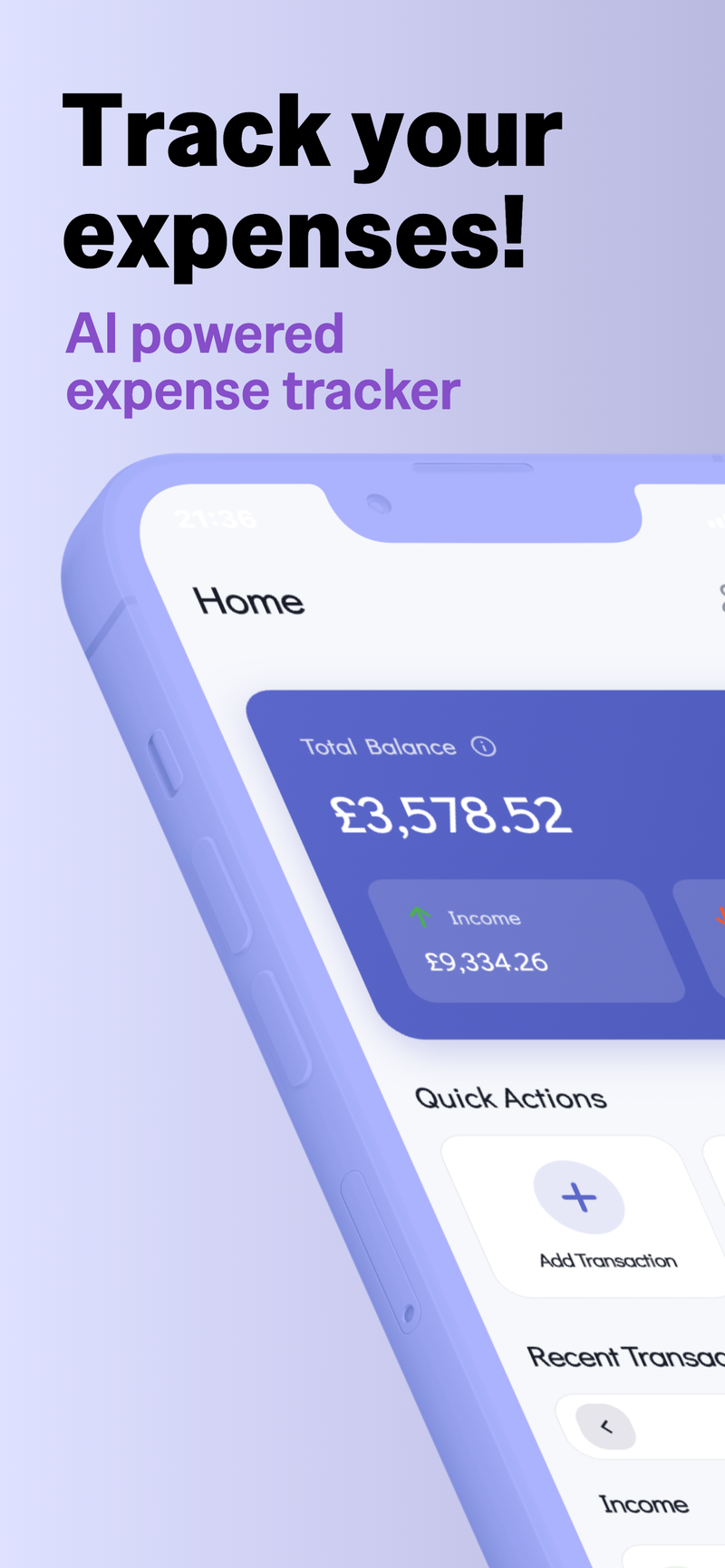
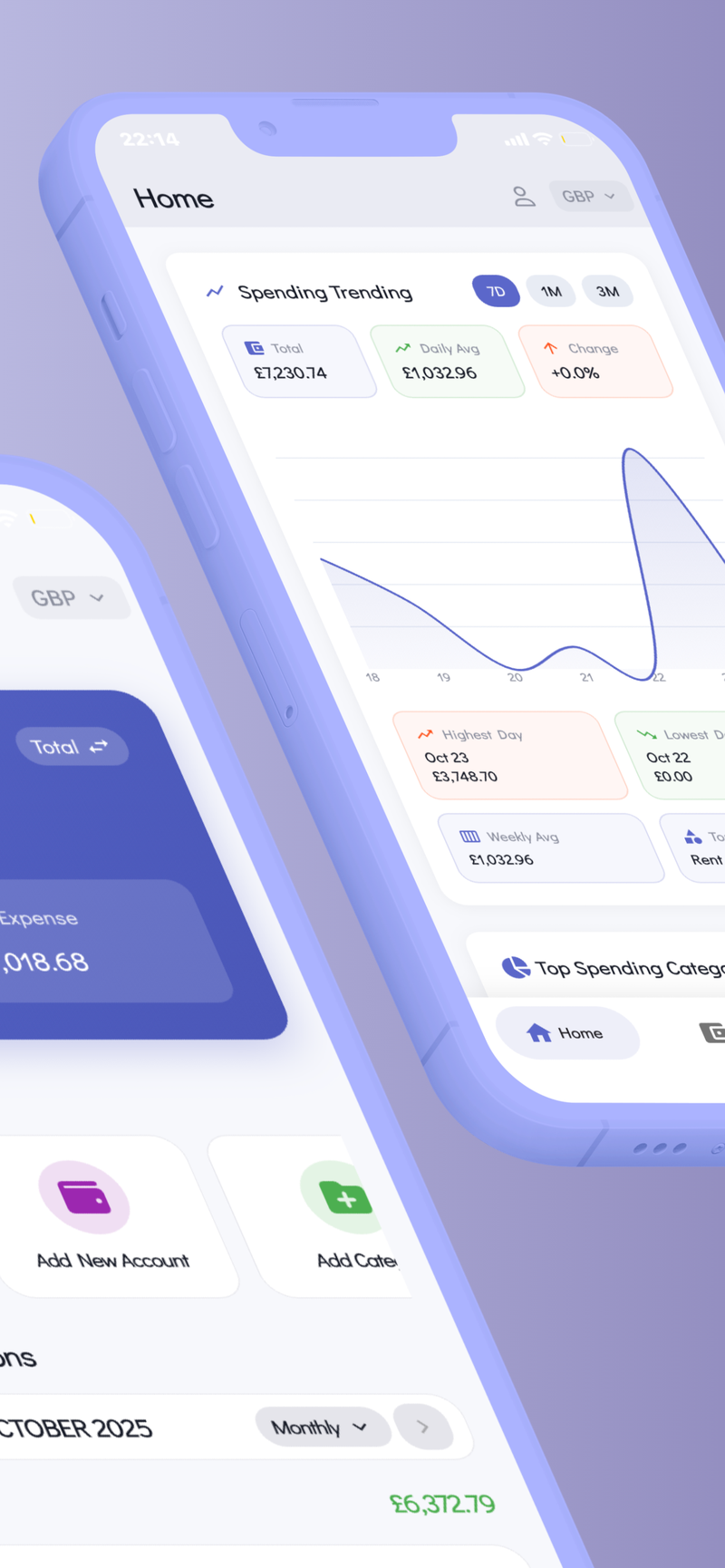
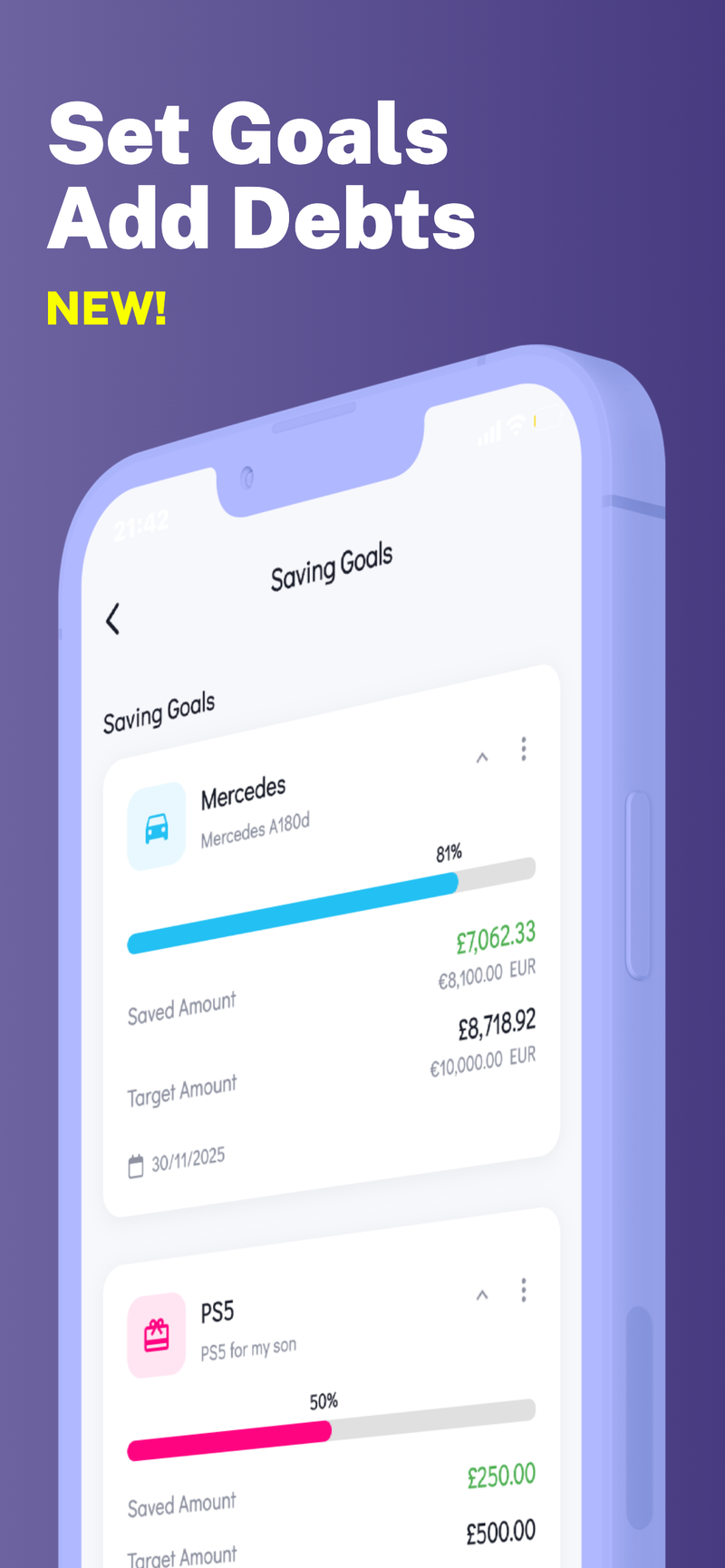
If you want a private, easy way to manage this budget goal across multiple profiles, Fokus Budget offers Multi-Profile Support to keep family budgets organized without compromising privacy. It can help you track progress, automate reminders, and stay on course toward your emergency fund goal.

✨ Multi-Profile Support