
How to Create a Budget That Covers All Your Bills
Struggling to ensure every bill gets paid on time? This guide shares a practical, step-by-step approach to prioritize essentials, plan for irregular costs, and build buffers so you don’t fall behind.
Introduction
Do you ever feel like your paycheck vanishes before the month ends? You’re not alone. Bills arrive on schedule, but many budgets crumble when those payments are due, especially if irregular costs pop up. The goal here is practical: create a plan that prioritizes what must be paid, gives you visibility into where every dollar goes, and leaves a little wiggle room for the unexpected.
According to the Fed, about 40% of U.S. households could not cover a $400 emergency expense with cash or savings. That kind of gap makes it easy for small slipups to derail a month. The good news is you can design a budget that actually covers all bills by starting with the basics and building buffers over time.
Why budgets fail when bills come due
A practical, step-by-step framework to cover all bills
1) List all bills and due dates. Gather statements, set due dates on a single calendar, and note payment methods.
2) Distinguish needs vs wants. Essentials include housing, utilities, food, transport, healthcare, and debt payments.
3) Create a bill calendar and sinking funds. Set aside small amounts each month for irregular bills like car maintenance or yearly insurance.
4) Try zero-based budgeting. Give every dollar a job, including savings and debt payments, until the budget is zero.
5) Build an emergency fund. Start with a achievable target, like one month of essential expenses, then grow it over time.
Sample budget breakdown
This layout shows essential bills first, and every other category funded only after those priorities are met.
Practical tips you can implement today
Managing irregular income or seasonal bills
Quick wins you can start today
Conclusion
Covering all bills comes from a bill-first mindset, a clear calendar, and buffers for the unexpected. By listing every obligation, separating needs and wants, and regularly topping up an emergency fund, you reduce stress and improve financial resilience. The approach is simple, repeatable, and adaptable to changes in income or family size.
If you want a practical way to implement these ideas across multiple areas of your life, Fokus Budget can help with this, especially its Multi-Profile Support.



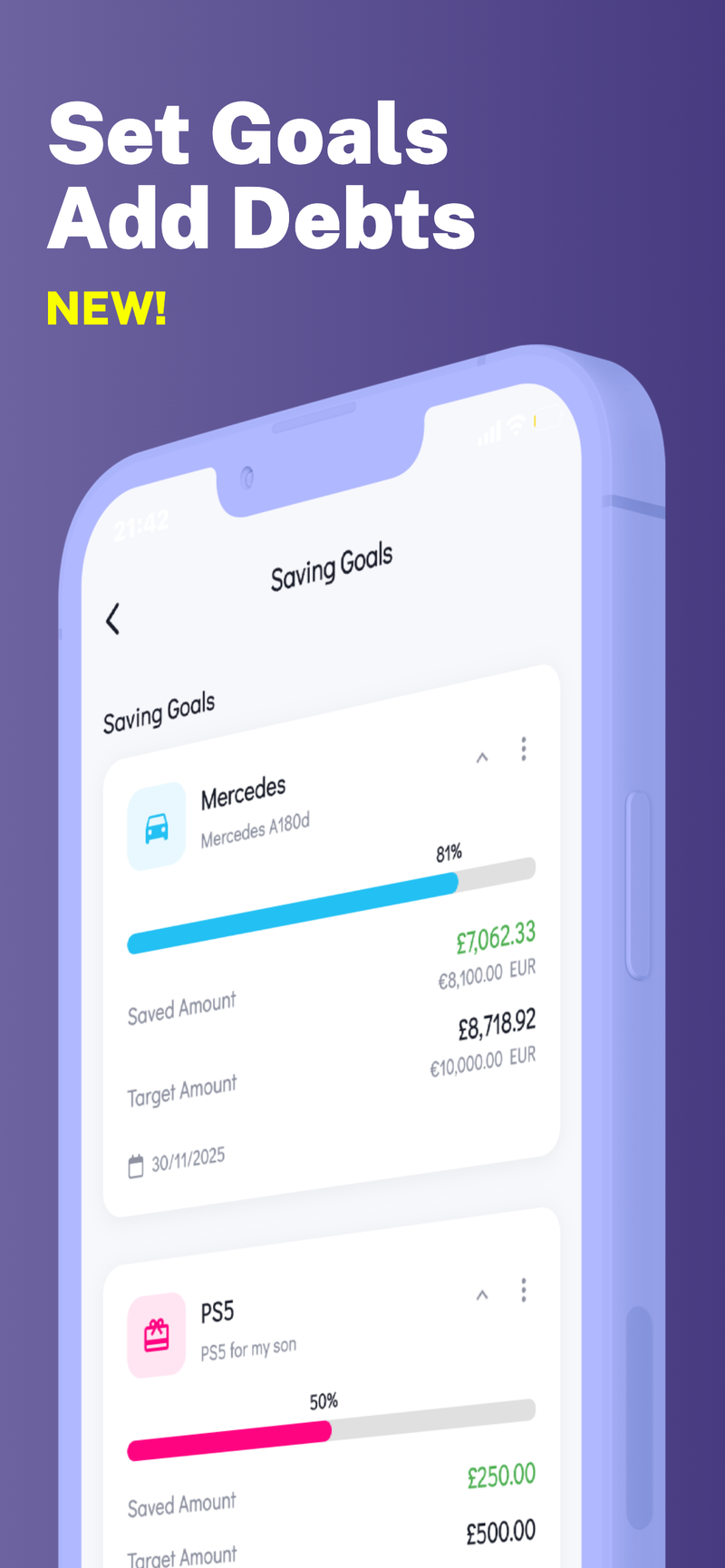

✨ Multi-Profile Support