
How to Cut Everyday Expenses Without Major Lifestyle Changes
Tackle everyday expenses with practical, non-splashy strategies. Learn to map spending, separate needs from wants, optimize groceries, trim bills, and build a simple weekly check-in to save more without big life changes.
Introduction
Ever feel like your paycheck vanishes before the month ends? Small daily costs—coffee runs, streaming add-ons, quick takeout—add up faster than you think. The good news: you don’t need to swap your entire life to save money. You can cut everyday expenses with manageable tweaks that preserve comfort and routine while improving your financial footing.
This article focuses on realistic steps you can take this week. We’ll map your spending, separate needs from wants, optimize routine purchases, and build a simple check-in habit that keeps you moving toward your goals without turning life upside down.
Smart, sustainable ways to cut costs
1) Start with a Spending Map
The first step is to see where your money actually goes. Spend two weeks tracking every expense, no matter how small. You don’t need fancy software; a simple notebook or a basic spreadsheet works.
This map gives you a clear baseline and helps you target the most impactful changes first.
2) Reset Your Budget with Needs, Wants, Savings
A practical framework is to separate spending into three buckets: needs, wants, and savings/debt repayment. The exact split isn’t sacred, but the principle is powerful:
A common starting point is something like 50/30/20, but adjust to your reality. If you’ve got high debt, temporarily leaning toward savings and debt payoff can pay off in the long term. The key is to explicitly assign amounts to each bucket and review weekly.
3) Groceries and Meal Planning that Save, Not Stress
Grocery costs are a frequent culprit. Plan meals for the week, write a shopping list, and stick to it. Consider:
A simple rule: shop once or twice a week with a precise list; avoid impulse buys by keeping the list visible while you shop.
4) Smart Shopping Habits that Compound
Small habits compound quickly:
5) Cut Bills Without Cutting Comfort: Utilities and Housing
Small efficiency gains add up:
For renters, a candid chat with your landlord about energy-saving improvements can pay off and sometimes lead to negotiated bills or upgraded standards.
6) Rethink Transportation Spend
Transportation expenses often overshadow other costs. Options to consider:
If you work from home part-time, plan weekly routes to minimize unnecessary driving.
7) Subscriptions and Memberships: Audit, Then Trim
Recurring charges sneak in quietly. Do a quarterly audit:
8) Build a Simple Weekly Check-In
A 15-minute weekly review keeps momentum:
A consistent, quick ritual beats sporadic, big overhauls.
9) Mindset and Small Wins
Small changes reinforce discipline. Reward yourself with experiences rather than more stuff. Celebrate milestones—like a month with a smaller grocery bill—by saving toward a shared goal or treating the family to a special day you already planned.
#### Practical tip list
Conclusion
Cutting everyday expenses isn’t about deprivation; it’s about awareness, planning, and smart choices that fit your life. By mapping your spending, prioritizing needs, optimizing groceries, trimming wasteful bills, and building a brief weekly routine, you can reduce costs without dramatic lifestyle changes.
If you’d like a practical, privacy-focused tool to help implement these habits—tracking multiple profiles, managing different currencies, and keeping data on your device—consider Fokus Budget as a discreet companion to your financial journey. It’s designed to support thoughtful budgeting without sacrificing privacy, so you can stay focused on what matters: saving more and spending smarter.

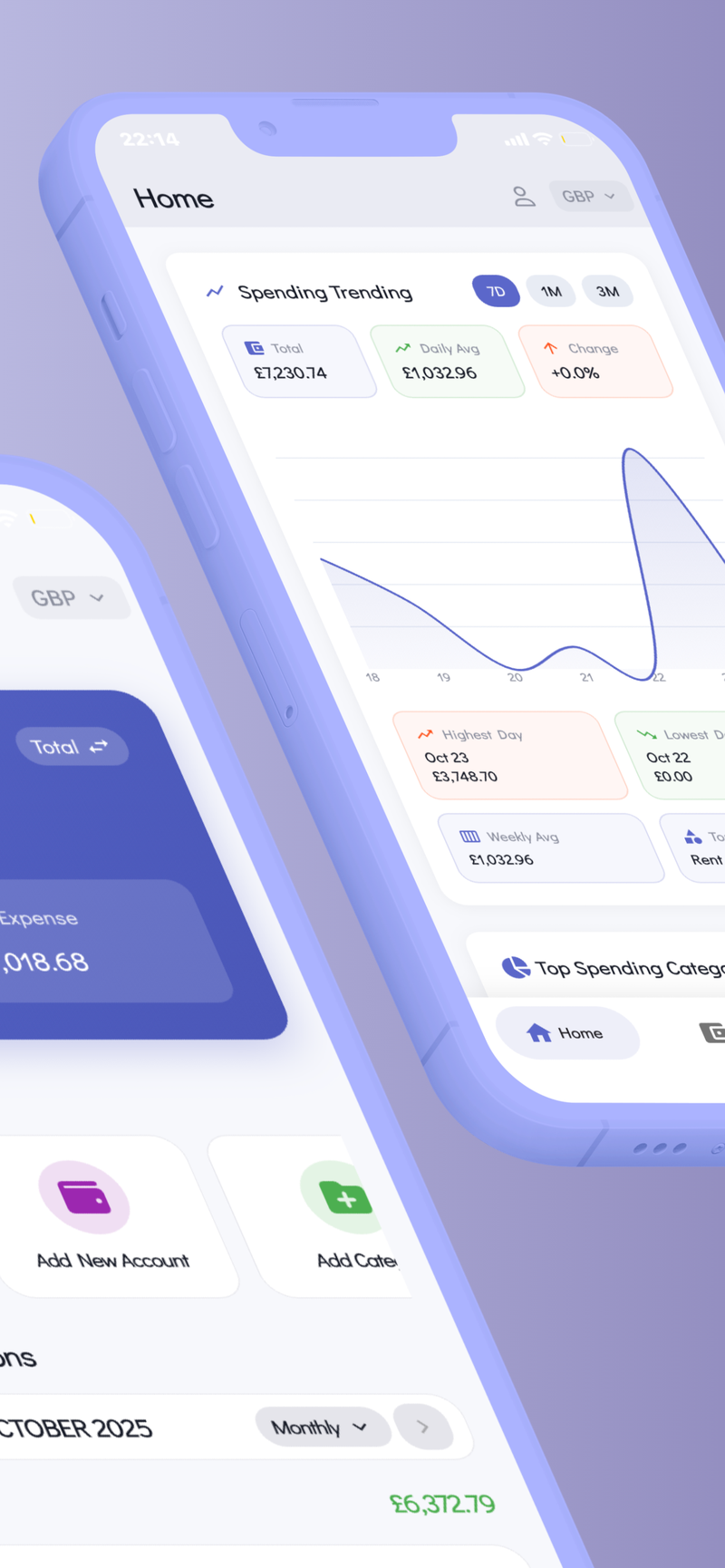



✨ On-device data privacy with multi-profile support