Introduction
Money has a way of slipping away in small, almost invisible ways—especially for busy families juggling meals, activities, bills, and chores. The problem isn’t always a dramatic hit to the wallet; it’s often a collection of tiny leaks: a forgotten subscription, a splurge-like grocery trip, or a service you no longer use but keep paying for.
A focused 60-minute budget audit can shine a light on these leaks and put you back in the driver’s seat. The goal isn’t perfection—it's quick wins and a clear plan you can actually stick to. Below is a practical, timer-friendly method you can run right now with the people who share the budget.
Main Content
Step 1: Set up and timebox (5–7 minutes)
Gather your essentials: last 60–90 days of bank statements, your current bills, receipts, and a simple budgeting template (a blank spreadsheet works fine).Decide on a timer: 60 minutes total. You’ll run through a quick, structured audit and keep moving.Choose a single view: aim to capture both income and all categories in one place so you can see the full picture at a glance.A focused start lowers friction. If you have kids helping, assign one task to a family member (e.g., collect receipts) to keep the pace up.
Step 2: Identify income, needs, and wants (10–12 minutes)
List take-home pay after taxes and deductions. If you have irregular income, estimate an average from the last 3 months.Classify expenses into needs (housing, utilities, groceries, transportation, minimum debt payments) and wants (dining out, streaming services, entertainment).Apply a simple rule of thumb you can sustain: a family-friendly approach is 60% needs, 25% wants, 15% savings/debt payoff. If your situation differs, adjust but keep a clear target.This step reveals how your money is allocated today and where you have room to re-balance without sacrificing essentials.
Step 3: scrutinize recurring expenses (8–12 minutes)
List every subscription and recurring charge (gym memberships, streaming, apps, memberships).Check the usage: which ones are truly used, and which are dormant? Cancel or pause those with little to no value.Note any price increases or bundled services you could simplify. Small annual or monthly charges add up fast.Recurring costs are common leaks. Even a few cancellations can free up a meaningful amount each month.
Step 4: analyze variable spending (12–15 minutes)
Groceries and meals: compare typical grocery trips to planned meals. Use a short, weekly meal plan and a shopping list to cut impulsive buys.Dining out and takeout: set a monthly cap and track against it. Consider a family meal plan for the week to reduce last-minute orders.Transportation and fuel: look for days with excessive trips or inefficient routes. Carpooling or combining errands saves fuel.Shopping and entertainment: identify categories where you tend to overspend (clothes, hobbies) and set a modest weekly limit.Tip: track one month of variable spending in your audit, then use the insights to tighten next month’s plan.
Step 5: uncover savings opportunities (8–12 minutes)
Renegotiate or switch plans: internet, mobile, insurance. Even small uplifts in rate can cost hundreds a year.Energy and utilities: programmable thermostat, LED bulbs, weather-stripping, and smarter scheduling of appliances can cut costs by a noticeable margin.Debt strategies: if you carry high-interest debt, consider a lower-interest consolidation or a focused payoff plan.Grocery efficiency: bulk buy staples, use loyalty programs, and compare unit prices to get more value.Small bets add up quickly. Set 2–3 clear savings targets you can monitor over the next month.
Step 6: craft a lean, actionable budget plan (8–10 minutes)
Create 3–5 core categories you’ll actually track weekly: needs, wants (split into groceries/dining out/entertainment), and savings/debt targets.Use the 50/30/20 baseline as a starting point, then adapt to your family. If you have more needs (kids’ activities, higher housing costs), tilt the ratio accordingly.Set concrete dollar amounts or percentages for the coming month. For example: Needs $2,800, Wants $1,000, Savings/Payoff $600 (adjust to your reality).Establish one or two automation moves (automatic transfers to savings, scheduled bill payments) to reduce manual effort.Step 7: maintain momentum with a quick follow-up (5–7 minutes)
Schedule a 2-week check-in to review what worked and what didn’t. Adjust categories or caps as needed.Keep a lightweight, one-page budget: income, top 5 expenses, and the savings target. Review it aloud with your partner or family member to maintain accountability.A simple cadence beats perfectionism. Short, frequent reviews curb drift before it becomes a habit.
Practical tips and considerations
Use a single source of truth: a simple template or spreadsheet helps prevent scattered notes across apps and notebooks.Involve the family: assign roles (e.g., one person tracks groceries, another monitors subscriptions) to foster shared ownership.Focus on psychology: move small wins into habits. For example, a weekly “$25 discretionary cap” can curb impulse buys without feeling restrictive.Don’t fear the numbers: if the audit reveals debt or overspending, frame it as information to guide smarter choices, not a failure.Conclusion
A 60-minute family budget audit is about spotting the obvious leaks, making targeted cuts, and setting up a plan you can actually follow. When you build in a simple cadence—weekly checks, a monthly review, and a handful of automations—you create a framework that sustains progress over time.
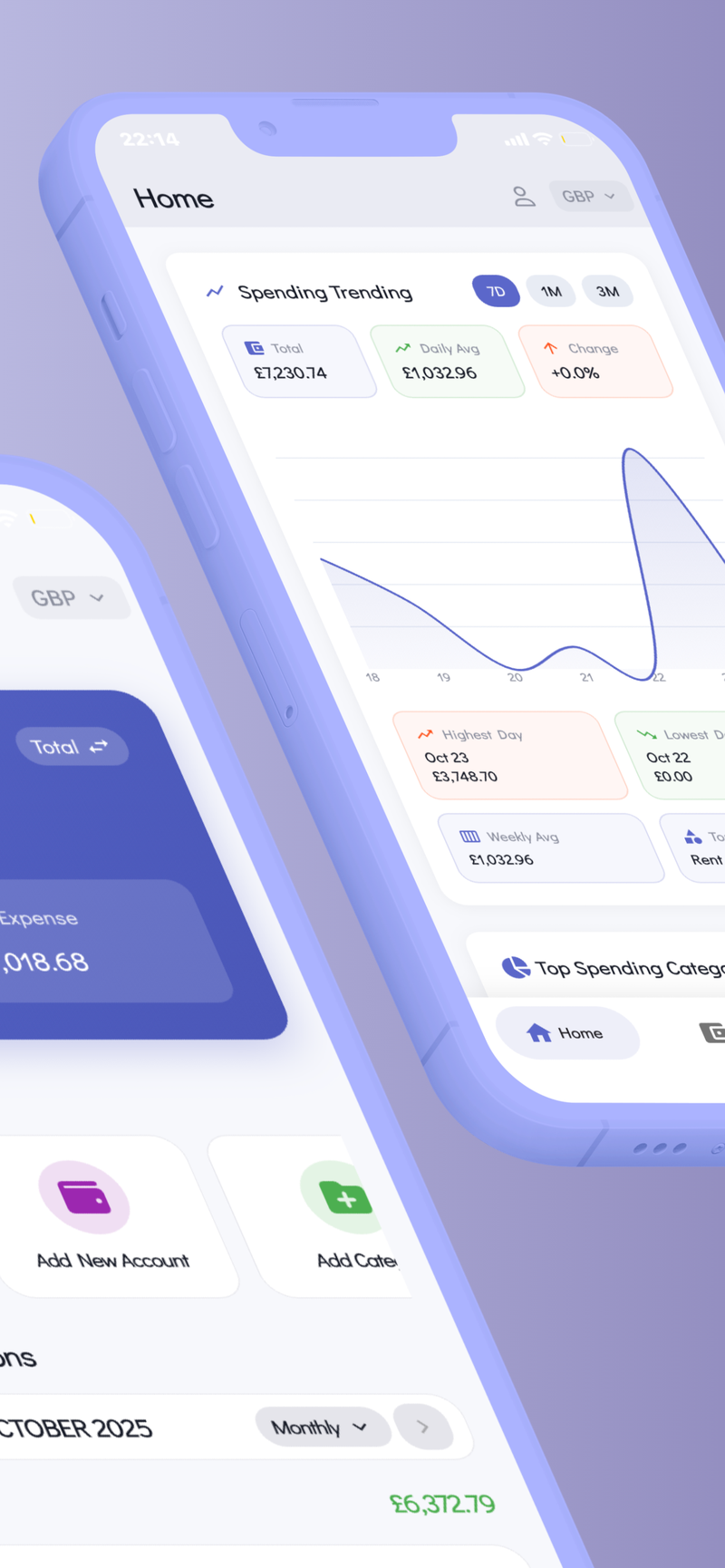
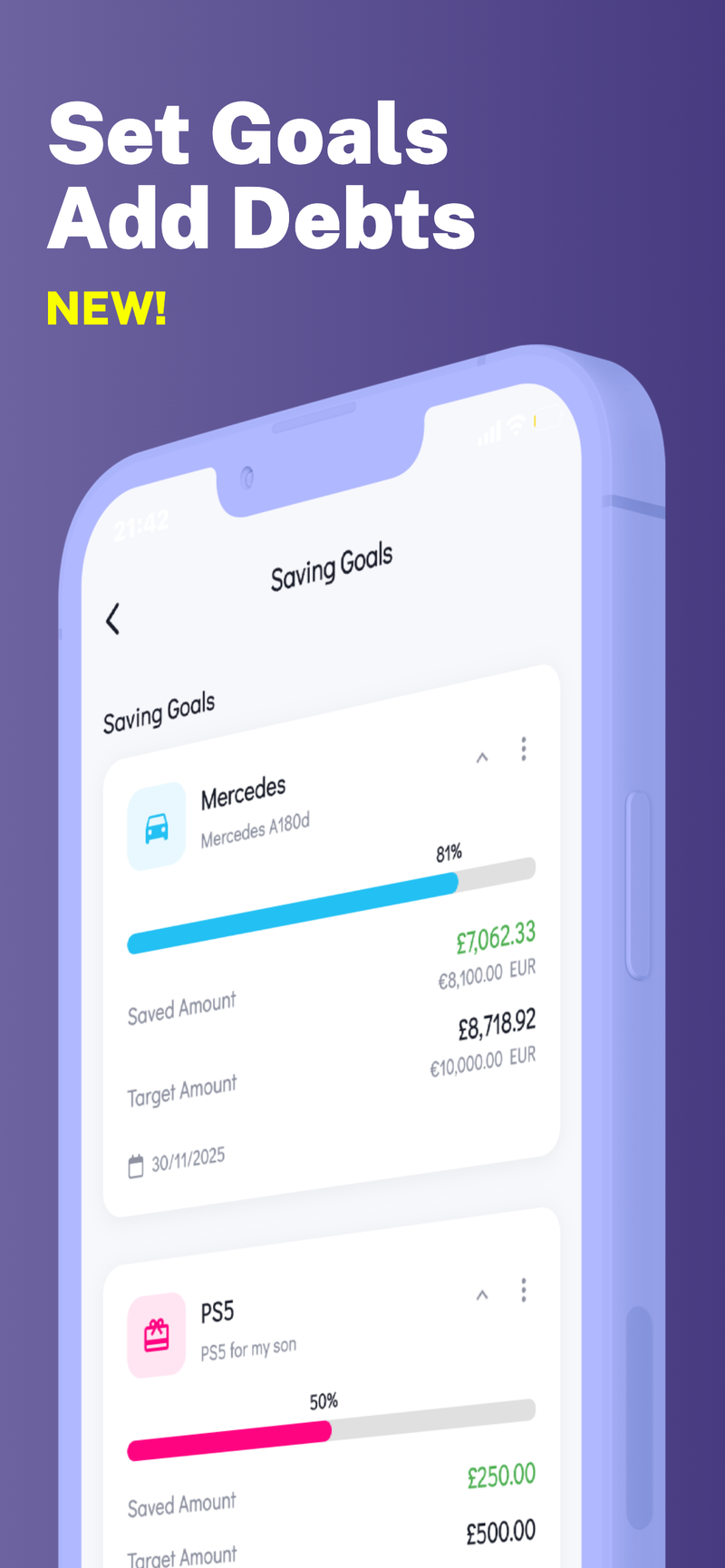
If you want a structured tool to help keep this up without adding complexity, Fokus Budget can help with this. Its privacy-first on-device data storage keeps your numbers secure, and features like multi-profile support let each family member track their own budget within one app