Fokus Budget

Fokus Budget

AI-powered expense tracking

·Budgeting

How to Rebuild a Tight Family Budget After a Job Loss

Losing a job disrupts more than income; it disrupts plans and security. This guide offers practical, step-by-step strategies to rebuild a family budget after job loss, focusing on essential needs, cost-cutting, new income, and debt management—so you can regain control and move toward stability.

personal financebudgetingjob lossfrugal livingfamily finances

Introduction


Losing a job hits more than your paycheck. Plans shift, routines falter, and the sense of security can dip suddenly. The good news is that a careful, actionable approach can restore control—even when money is tight.

This guide focuses on real numbers, practical steps, and steady progress. It’s designed for individuals and families who want to manage what they spend, what they earn, and what they owe—without panic or gimmicks.

> Quick context: the federal reserve’s 2022 survey showed that 40% of adults would struggle to cover a $400 emergency expense. That gap isn’t just a statistic; it’s a reminder to rebuild with both immediate relief and longer-term resilience in mind.

Main Content

Step 1: Get a Clear Picture of Your Cash Flow


  • Gather bank statements, bills, and recent pay stubs for the last 2–3 months.

  • List all income: unemployment benefits, severance, any side gigs, family support.

  • Build a simple cash-flow snapshot:

  • Income: $1,800 per month (unemployment + side work)

  • Essentials expenses: $1,700 per month

  • Non-essentials and debt: $600 per month

  • Gap: -$500 (shortfall you must reduce or cover)
  • This snapshot isn’t about perfection; it’s about visibility. If you’re negative, you know exactly where to start cutting and where to seek help.

    Step 2: Prioritize Essentials and Build a Bare-Bones Budget


    Focus first on essential needs: housing, utilities, food, healthcare, transportation, and minimum debt payments. Everything else gets a pause button.
  • Create a zero-based budget: assign every dollar a job (income minus expenses equals zero). If a line item isn’t essential, suspend it until your income stabilizes.

  • Define “essential” clearly for your household to avoid drift.

  • Build a small, flexible cushion for the week: set aside a tiny buffer for surprise costs (e.g., a bus fare, prescription refill).
  • Step 3: Cut Costs with Smart, Specific Actions


    Real cuts beat vague hopes. Try these targeted tactics:
  • Housing and utilities

  • Call your landlord or mortgage servicer to discuss temporary relief options, reduced rent, or payment plans.

  • Negotiate a rate review with utility providers and implement energy-saving habits (shorter showers, lower thermostat, LED lighting).

  • Food and household supplies

  • Meal-plan around inexpensive staples (rice, beans, oats) and use leftovers creatively.

  • Shop with a list, use coupons, and consider warehouse clubs if there’s value.

  • Transportation and insurance

  • Carpool or use public transit where feasible.

  • Review insurance quotes; consider deductible adjustments or switching providers if rates drop without sacrificing coverage.

  • Subscriptions and non-essentials

  • Pause or cancel streaming, apps, and gym memberships until finances stabilize.

  • Personal and discretionary spending

  • Set a weekly cap for non-essentials and track every purchase.
  • Step 4: Explore Income Sources and Benefit Programs


  • File for unemployment benefits promptly; check if you’re eligible for extensions or supplemental programs.

  • Look for flexible side gigs aligned with your skills (remote freelance tasks, tutoring, seasonal work).

  • Tap community resources: food banks, energy assistance programs, and healthcare subsidies where available.

  • Sell items you no longer need; use proceeds to shore up essentials.
  • Step 5: Manage Debt and Preserve Credit


  • Contact lenders early to discuss hardship options, payment plans, or forbearance. Lenders often prefer proactive communication.

  • Prioritize debt management strategies: avalanche (pay highest-interest first) or snowball (smallest balance first) to reduce anxiety and momentum.

  • Avoid taking on new high-interest debt while you’re rebuilding; it’s harder to recover from a larger monthly obligation.
  • Step 6: Plan for the Long Haul and Build a Safety Net


  • Set a realistic short-term goal: cover at least 1–2 months of essential expenses within 60–90 days.

  • Then aim for 3 months, and gradually extend toward 3–6 months of essential needs as income stabilizes.

  • Build a mini-emergency fund by saving any windfalls (grocery savings, refunds, or debt repayment savings) into a dedicated fund.
  • Note: having a safety net matters. The same Fed data cited earlier highlights how fragile emergency preparedness can be; even small, steady steps toward an emergency fund can reduce stress when a new setback hits.

    Step 7: Track Progress and Adjust Regularly


  • Schedule a weekly review: compare actuals to your budget, adjust categories, and celebrate small wins.

  • If you land a new income source, update your plan immediately and reallocate to essential needs and debt payoff according to priority.

  • Reassess monthly: are any expenses reusable for a longer period, or can you restructure debt to lower monthly commitments?
  • Conclusion


    Losing a job is a crisis, but it’s also an opportunity to build smarter financial habits. By getting a clear read on cash flow, trimming non-essentials, securing new income, and protecting your family from debt stress, you can move from panic to planning—and eventually stability.

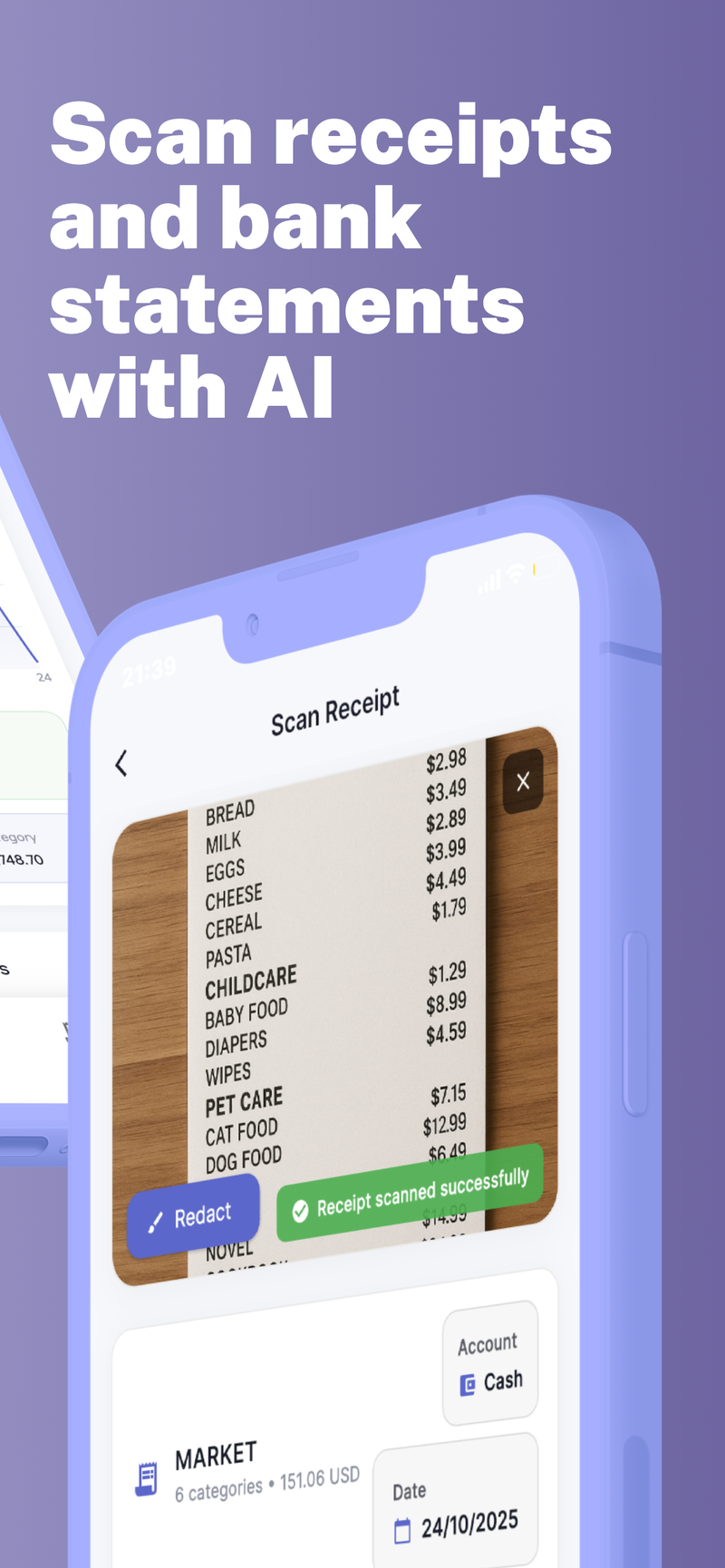
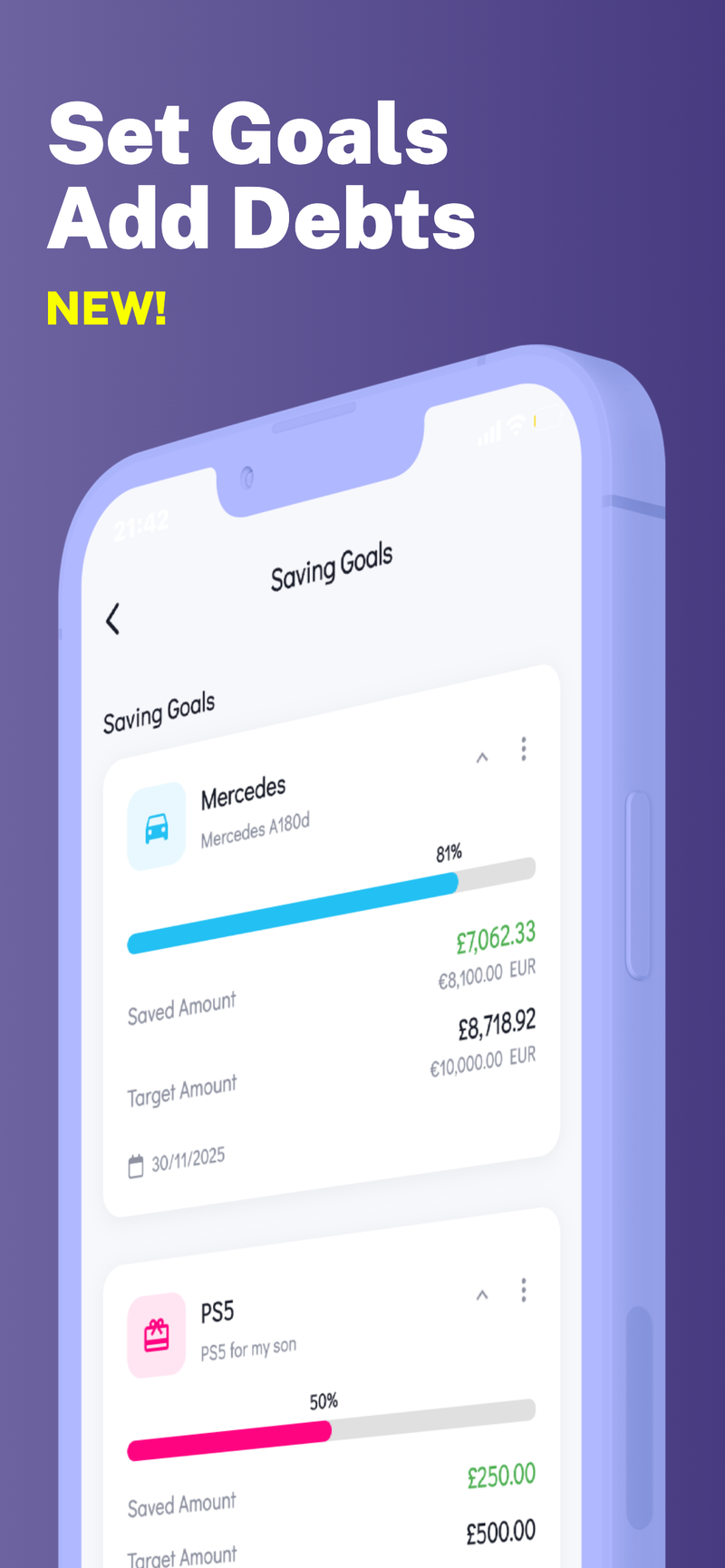
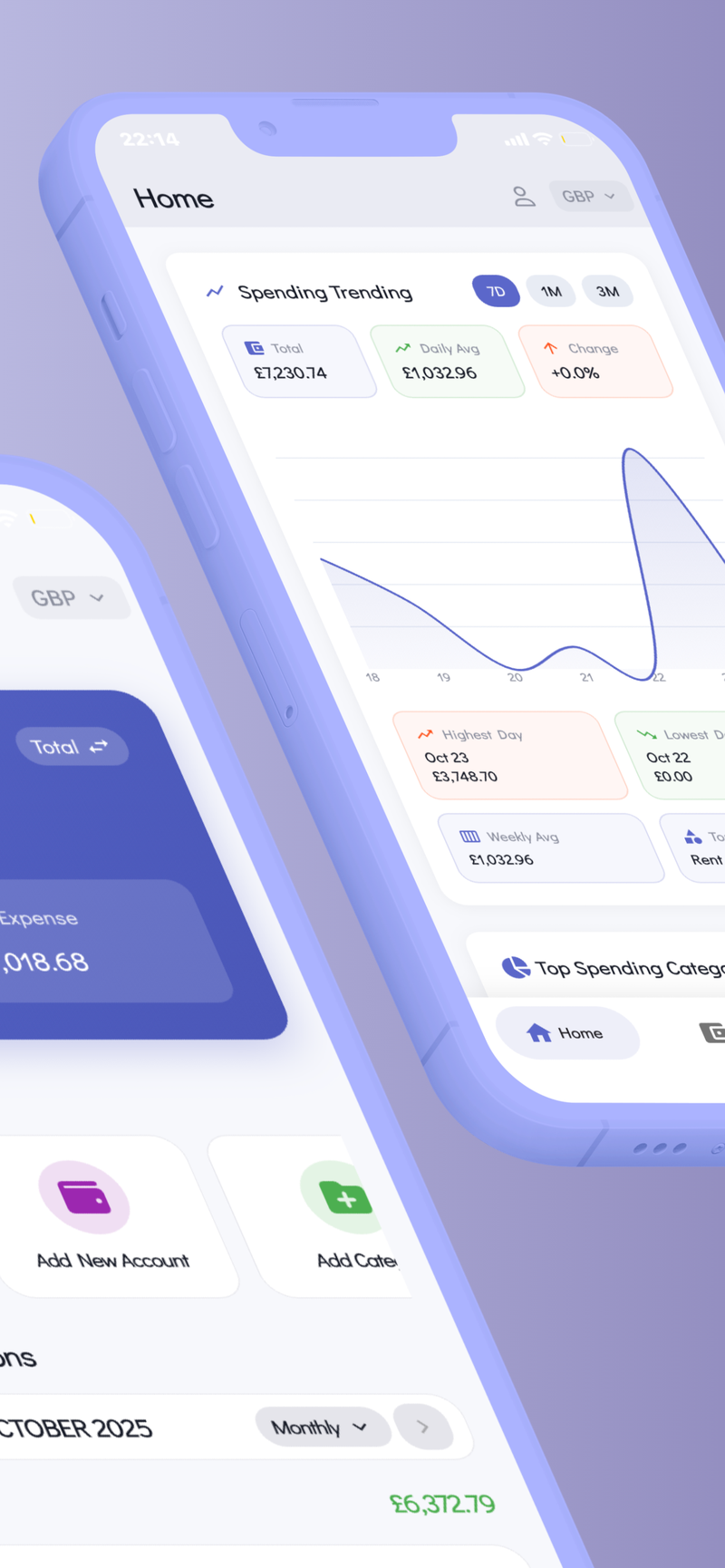
    If you’re looking for a tool to help you stay organized as your budget shifts, Fokus Budget can help with this. Its Multi-Profile Support lets you track up to five different budgets within one place, so you can separate family expenses, personal finances, and debt payoff without losing sight of the big picture. Your data never leaves your device, keeping your information private while you rebuild.
    Fokus Budget icon

    Fokus Budget

    AI-powered expense tracking

    Free • In-App Purchases
    GET
    Dashboard
    Analytics
    Transactions
    Categories
    Reports
    AI Receipt ScanningMulti-CurrencyBank ImportPrivacy-First

    Multi-Profile Support

    Related Articles

    Fokus Budget

    AI-powered expense tracking