
Master Cravings: A Practical Guide to Nicotine Withdrawal
Quitting nicotine can feel overwhelming as cravings surge in the first days. This guide offers practical, actionable steps to understand withdrawal, manage urges, and structure your days for lasting change.
Introduction
Quitting nicotine is a bold decision, and the moment you commit, your brain starts negotiating with you. Cravings arrive in waves, especially in the first few days, and they can feel overwhelming. The good news: withdrawal is temporary, and with a clear plan you can ride the wave and emerge with a healthier routine.
This article is a practical, hands-on guide to understanding nicotine withdrawal and turning cravings into stepping stones toward your goal—whether you want to monitor and reduce use or quit completely.
Understanding nicotine withdrawal
Nicotine withdrawal is the body and brain responding to the absence of a familiar chemical signal. Common symptoms include:
Cravings often feel intense, but they tend to pass in minutes. The key is to not act on impulse, but to delay, distract, and choose a healthier alternative. Research suggests that withdrawal symptoms typically ease after the first two to four weeks for many people, though some urges can linger longer. Regular physical activity, adequate hydration, and steady sleep can reduce intensity and duration of cravings.
Build a practical action plan
Step 1: Identify your triggers
Triggers are the when, where, and why you reach for nicotine. Common triggers include:
Keep a simple trigger diary for a week. Note the time, mood, people present, and your urge level (0-10). This creates a map you can navigate.
Step 2: Set a clear goal and timeline
Choose your main objective: monitor & reduce, or quit completely. Set a realistic timeline (for example, a staged reduction over 6 weeks or a hard quit date). Having a concrete target reduces ambiguity and provides a reference point for momentum.
Step 3: Build a craving toolkit
Prepare a set of quick, reliable responses for cravings:
1) Delay the urge: tell yourself you’ll wait 5–10 minutes. Most urges fade in that window.
2) Breathe deeply: try 4-7-8 breathing or box breathing to calm the nervous system.
3) Hydrate and snack: sip water, chew sugar-free gum, or nibble a crunchy veggie.
4) Move: a brisk 5-minute walk or a few stretches can reset the urge.
5) Distract: call a friend, check a task off your to-do list, or switch to a short, engaging activity.
6) Replace the routine: swap the cigarette or vape with a non-tobacco ritual (tea time, a short shower, a quick shower).
Step 4: restructure your day to reduce triggers
Create a daily rhythm that minimizes high-risk moments. For example:
Step 5: sleep, stress, and mood management
Poor sleep amplifies cravings and irritability. Prioritize a consistent sleep schedule, limit caffeine late in the day, and adopt a relaxing pre-sleep ritual. Stress is a frequent trigger; combine stress-reduction techniques (short workouts, mindfulness, journaling) with your daily plan.
Practical strategies for weeks 1–4 and beyond
Research shows that nicotine replacement therapy (NRT) can roughly double the odds of quitting compared with attempting with no aid, and combination therapies (patch plus gum or lozenges) can be even more effective for some people. Always consult a healthcare professional about the best strategy for you, especially if you have other medical conditions or use medications.
Staying motivated and tracking progress
The long view: building a nicotine-free routine
Over time, urges become less frequent and less intense. You will likely notice improvements in mood stability, decision-making, and overall health. Celebrate small wins, like a week with fewer cravings or a day without nicotine after a tempting situation. If you relapse, treat it as data for your next attempt—adjust triggers, timing, or coping strategies rather than giving up.
Conclusion
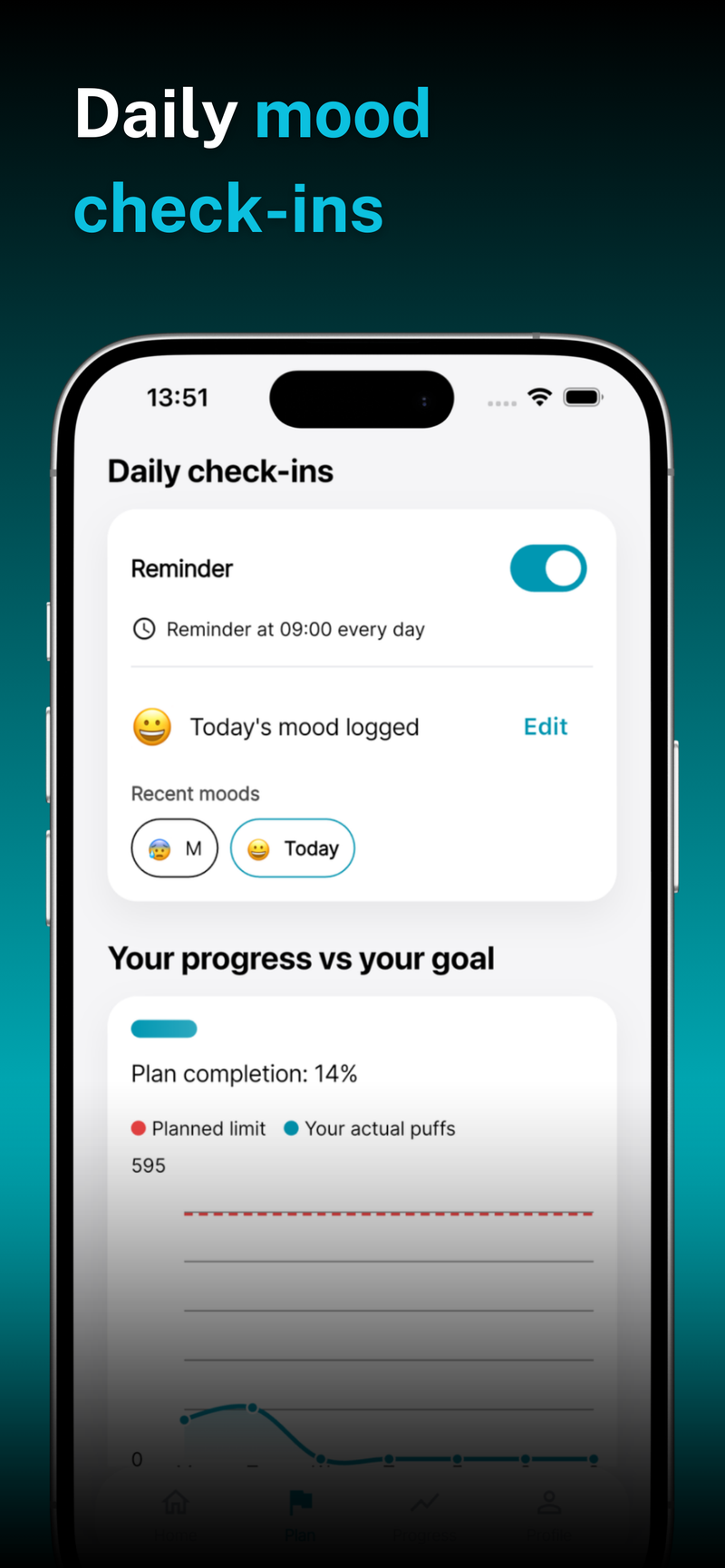
Quitting nicotine is a journey, not a one-time act. By understanding withdrawal, planning for triggers, and building a flexible toolkit, you can navigate cravings with confidence. The most important step is to start with a plan you can maintain, then adapt as you learn what works for you. If you’re looking for a guided start, consider a program that offers onboarding and a personalized setup to map your quit or reduction plan. These features can help you tailor goals, track progress, and stay motivated throughout the process.



💪 Onboarding & Personal Setup