
Master the 50/30/20 Rule for a Simple Family Budget
A simple, practical guide to applying the 50/30/20 rule for family budgeting. Learn how to classify expenses, set realistic targets, and build habits that stick, with a practical 7‑day implementation plan.
Introduction
Budgeting for a family can feel like juggling plates. Between groceries, school supplies, housing, and the unexpected, it’s easy to drift into a cycle of overspending or stress about money. The good news is that a simple framework can make every dollar count without turning budgeting into a full‑time job. The 50/30/20 rule offers a straightforward way to allocate income and stay on track, even with a busy family schedule.
Main Content
Understanding the 50/30/20 Rule
The rule divides after tax income into three broad buckets:
The appeal is simple: you first cover essentials, then allow for small joys, while consistently building security for the future. Needs are not only fixed bills; they include essentials that keep you safe and fed. Wants are the discretionary choices that improve quality of life, but aren’t strictly necessary. Savings and debt payoff create a cushion for emergencies and long‑term goals.
Applying the Rule in Real Life
Start with take‑home pay as the anchor. If your family brings home $5,000 a month, the targets are:
Within needs, prioritize housing, groceries, utilities, transportation, and healthcare. For example, housing might be $1,400, groceries $450, utilities $150, transportation $200, and healthcare $300 including premiums or out‑of‑pocket costs. If a cost slips into needs because it’s essential, adjust the other categories accordingly.
Wants can include family meals out, streaming services, new clothes, and activities. If you notice your wants consistently exceed the target, consider swapping some activities for lower‑cost alternatives or rotating experiences across months.
Savings and debt payoff should not be overlooked. A common approach is to split this bucket between an emergency fund until you have about three to six months of expenses, and paying down high‑interest debt. If debt is a larger concern, you can tilt the 20% toward debt payoff while still maintaining an emergency fund goal.
Quick Wins to Get Started
Adjusting the Rule for Real-Life Realities
Not every family fits a perfect 50/30/20 split. If you have high housing costs or significant debt, you might temporarily tighten wants or reframe needs. Some families find success with variations like 50/25/25 or 60/25/15 when debt is the priority or when income is volatile. The key is consistency and intention: the numbers should reflect your realities while preserving room for savings and peace of mind.
Real-World Scenarios
Tools and Habits to Stay on Track
7‑Day Plan to Implement the 50/30/20 Rule
Conclusion
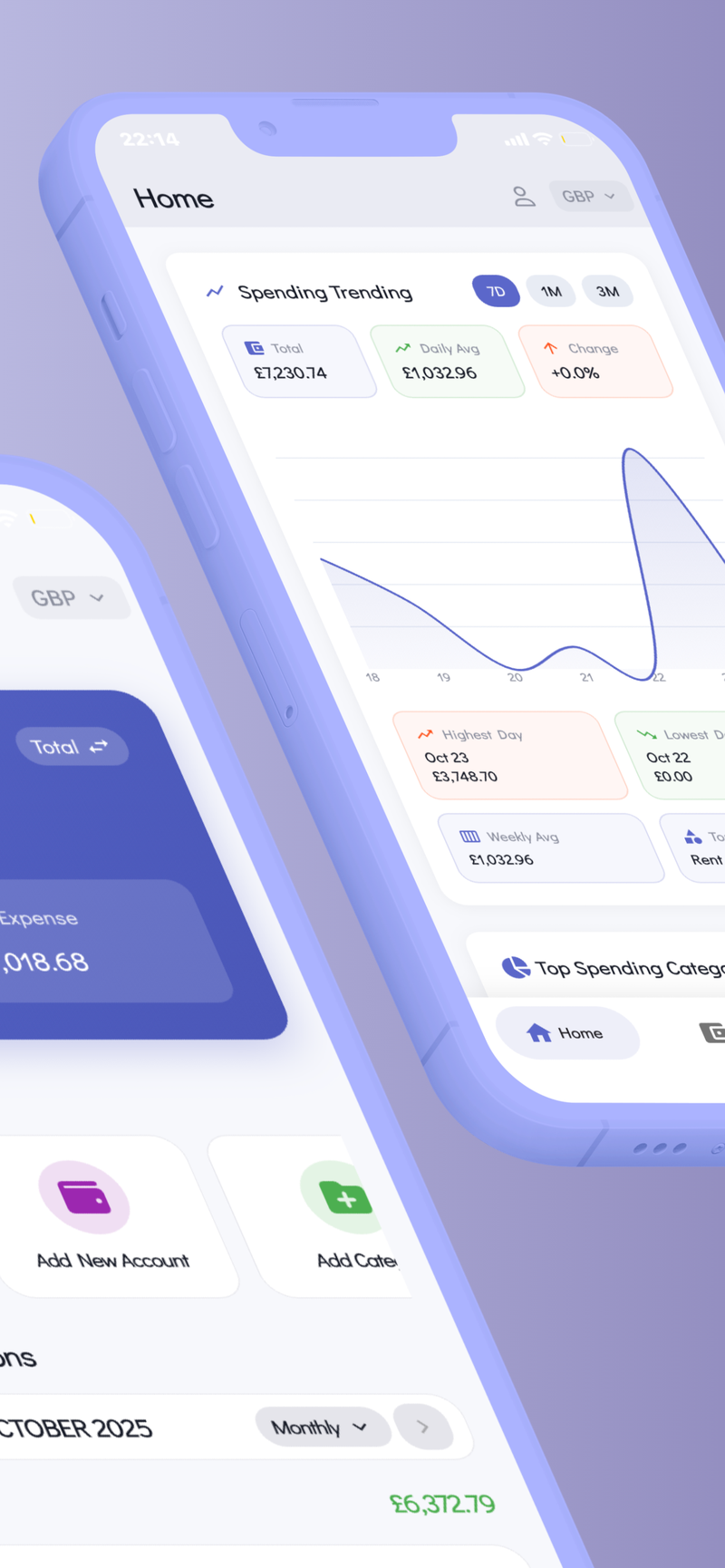
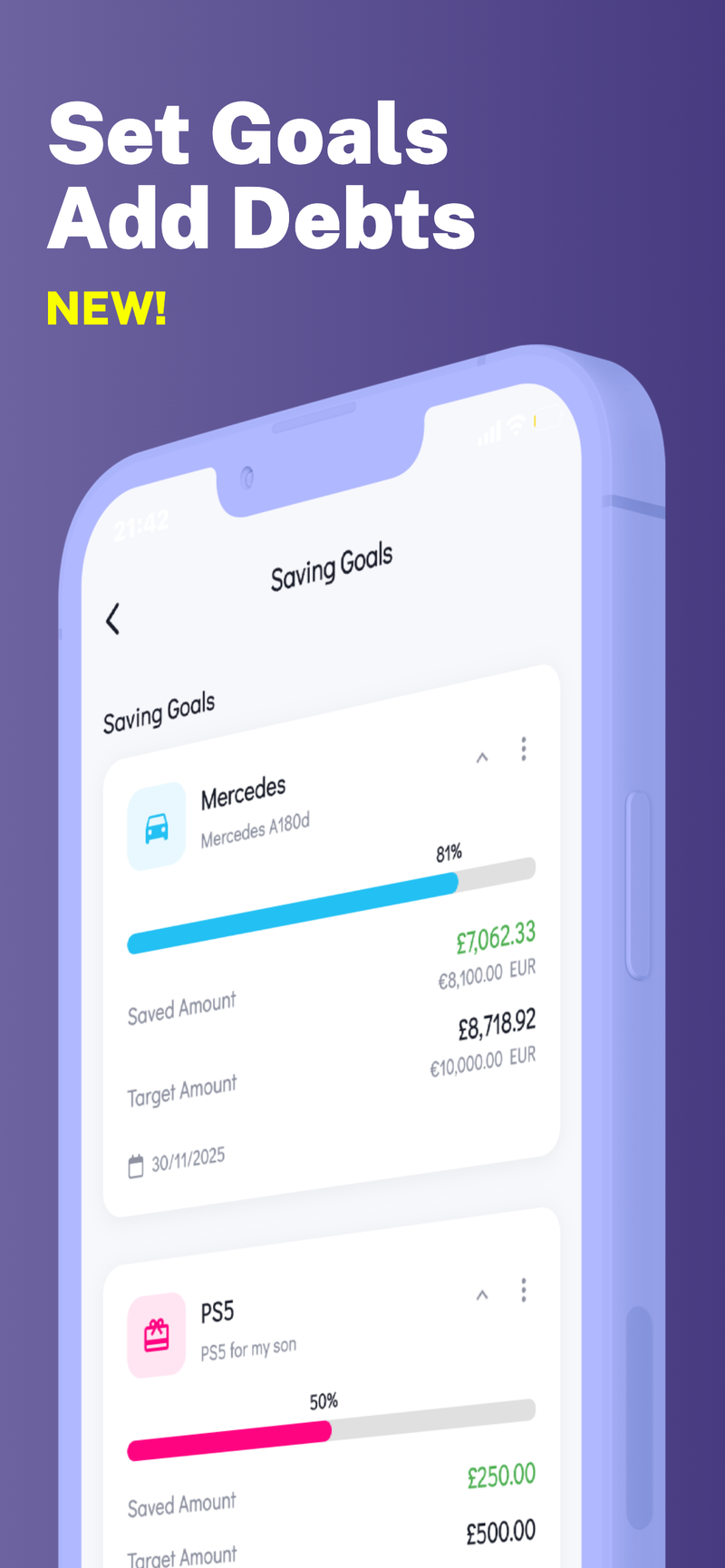
The 50/30/20 rule isn’t a rigid prison but a flexible map that helps families live within their means while still enjoying life. By focusing on needs first, reserving a solid portion for wants, and consistently building savings, you create stability that serves both today and tomorrow. Start with a single month, refine as you go, and the routine becomes second nature. If you want a private, on‑device budgeting tool to help manage multiple family budgets with secure data and clear tracking, Fokus Budget can help with its Multi‑Profile Support.



✨ Multi-Profile Support