
·Health
Morning Routine to Quit Nicotine: Practical Steps
Waking up to cravings can derail quitting. This guide offers practical, steps you can take every morning to reduce cravings, build healthier habits, and gain momentum toward nicotine freedom. Learn how to stack rituals, manage cravings, and stay supported along the way.
quit-smokingnicotine-addictionhabitsmorning-routineself-improvement
Morning Routine to Quit Nicotine: Practical Steps Morning cravings can feel like a heavy weight at the start of the day. If you wake up thinking about smoking or vaping, you’re not alone. The first hours can set the tone for the entire day, and a thoughtful morning routine can reduce cravings, lift your mood, and build momentum toward quitting. This guide focuses on practical, science-backed ideas you can start today. You don’t need a perfect plan—only consistent small steps that stack into real change over time. ## Start with a clear baseline Before you can change your mornings, you need a simple snapshot of where you stand. Spend 5 minutes on these three questions: - How many times did you vape or smoke after waking in a typical day? - What time do you usually wake up, and how many hours of sleep do you get? - What’s the biggest trigger in the morning (hot cup of coffee, a drive to work, or lounging with a cigarette)? Record your answers on paper or in a notes app. This baseline helps you tailor a plan that actually fits your routine rather than chasing a generic template. Research shows withdrawal symptoms begin within minutes to hours after your first nicotine exposure and often peak in the first week. Craving intensity tends to lessen as days pass, but relapse risk stays higher in the first few weeks. With that in mind, aim for small but steady changes you can repeat daily. ## Craft a craving-resistant morning Design your morning to minimize triggers and maximize momentum. Try these practical tweaks: - Hydrate first: a glass of water within 10 minutes of waking reduces cravings and jump-starts metabolism. - Move your body: a 5 to 15 minute walk or light stretch boosts mood and reduces irritability. - Get natural light: sunlight within an hour of waking helps regulate mood and cravings. - Nourish your brain: a protein-rich breakfast stabilizes energy and can lessen nicotine cravings later. - Time your caffeine: a single, measured cup can help without amplifying jitters. If caffeine worsens anxiety, swap in tea or decaf coffee. - Plan a non nicotine reward: pick one small, satisfying routine to pair with waking (a favorite shower scent, a peaceful 5-minute read, or a short breathing exercise). Small daily improvements add up. Habit formation research suggests it takes weeks to months to fully establish new routines, but you can start building resilience from day one. ## Swap triggers with deliberate habit stacking Habit stacking means adding a tiny new action right after a current habit. For nicotine quitters, this is powerful in the morning: - After brushing teeth, drink a glass of water and do a 2–5 minute stretch. - Before coffee, do 5 slow breaths or a minute of box breathing (inhale 4 counts, hold 4, exhale 4, hold 4). - Follow every wake-up ritual with a quick task you can complete before nicotine would usually happen (pack a bag for the day, prepare a healthy snack, or jot one goal). The key is to keep the new action so easy that you can’t talk yourself out of it. If you miss a day, just reset the next morning without judgment. ## Use proven craving management techniques Cravings can feel overwhelming, but they don’t last forever. Try these practical tools: - Urge surfing: acknowledge the craving, describe it as a wave, and ride it for 5–10 minutes while staying busy. - Breathing technique: practice 4-7-8 breathing for 4 rounds to calm the nervous system. - Immediate distraction: a 2-minute stretch, a brisk walk to a different room, or a short phone call can break the loop. - Cold splash or fresh air break: a quick cool-down or stepping outside can reset physical cues tied to nicotine. If cravings spike, keep a short list of go-to actions you can perform in under five minutes. Repetition builds confidence and reduces the power of triggers over time. ## Micro-goals and simple tracking Don’t aim for a dramatic overnight shift. Set micro-goals you can celebrate daily: - Day 1–7: No nicotine within the first 60 minutes after waking. - Week 2: Extend the no nicotine window to 90 minutes after waking. - Week 3: Replace two nicotine moments with non nicotine rituals. Track these in a simple journal or habit tracker. Note what worked and what didn’t. Over time you’ll notice patterns and tweak your routine accordingly. Small, consistent wins compound. Long-term quitting often hinges on consistency more than perfection. ## Sleep, hydration, and nutrition alignment Sleep quality strongly influences cravings. Prioritize: - Consistent sleep schedule: aim for 7–9 hours by going to bed and waking up at the same times. - Hydration: keep water available and sip regularly, especially with morning caffeine. - Balanced breakfast: include protein, fiber, and healthy fats to stabilize blood sugar and mood. - Limit alcohol and heavy meals late at night, which can amplify morning cravings for some people. When your body is rested and fed, cravings feel more manageable and less urgent. ## Social support and accountability Quitting can feel lonely at times. Build a support network: - Tell a friend or family member your plan and ask them to check in weekly. - Join a local or online support group where you can share setbacks and wins. - Consider a buddy system for mornings where you commit to a shared walk or coffee-free morning. Support partners don’t need to be perfect; they just need to be present and encouraging. ## A sample morning timetable (30–40 minutes) - 6:30 am: Wake up and hydrate - 6:35 am: Quick stretch and 5 minutes of breathing - 6:45 am: Light walk outside or inside movement - 6:55 am: Nutritious breakfast - 7:15 am: Plan the day and write one goal in a notebook - 7:25 am: One non nicotine ritual (shower, tea, or music) - 7:40 am: Prepare for the day with a clear, nicotine-free intention If your routine needs longer


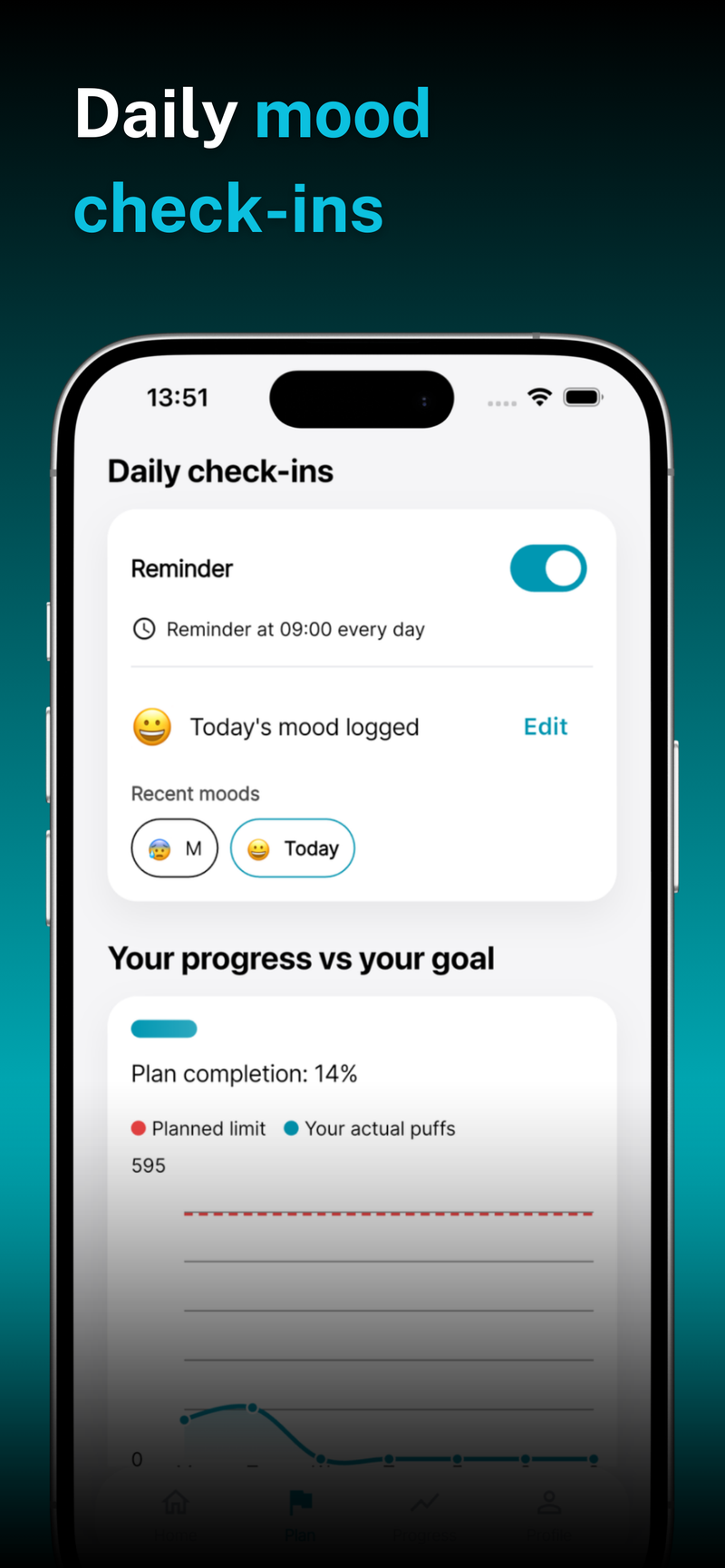

Daily MotivationProgress TrackingHealth MilestonesMoney Saved
💪 Onboarding & Personal Setup