
·Health
Navigating Social Triggers During Nicotine Recovery
Nicotine recovery is often challenged by social triggers. This guide offers practical steps to identify patterns, prepare responses, and build supportive routines so you can manage cravings in real-world settings. Learn actionable strategies you can start today.
smoking-cessationnicotine-recoverysocial-triggershabitswellbeing
Navigating Social Triggers During Nicotine Recovery Quitting or reducing nicotine is rarely a simple act of willpower alone. For many, the toughest moments come when you’re around friends, coworkers, or familiar routines that cue a craving. If you’ve ever thought, “I can’t resist when everyone around me is smoking after work,” you’re not alone. Social triggers are powerful because they tap into habit loops, emotions, and identity. The good news: with intentional preparation and practical steps, you can regain control in those moments. ## Understanding social triggers Triggers are more than just places or people. They blend several elements: - People: friends who smoke, family members who light up, coworkers taking a break together. - Places and routines: the usual bar, a morning coffee run, a post-meeting debrief at the corner shop. - Emotions and situations: stress, celebration, boredom, or relief after finishing a task. - Substitutes and cues: reaching for a cigarette after a meal, or vaping a quick puff during a break when you’re used to it. Studies show that most quit attempts fail without ongoing support or strategies to handle triggers. Yet, when people plan ahead and practice coping techniques, relapse risk drops and confidence grows. Structured coping skills can roughly double or even triple your odds of lasting change compared with trying to quit cold turkey without a plan. ## Practical strategies you can start today ### 1) Track your triggers - Keep a simple log for a week: note the time, location, people present, and what you felt just before the urge. - Look for patterns: do cravings spike after certain conversations, at the start of a shift, or when a particular drink is involved? - Use the data to build a targeted plan for those scenarios. ### 2) Create a clear, ready-to-use script - Prepare short, polite phrases to refuse a cigarette or vape: “I’m taking a break from nicotine for now,” or “I’m cutting back today; I’ll pass.” - Practice in the mirror or with a trusted friend so your response feels natural under pressure. - Have an alternative you can offer in the moment: “I’ll have a water, please,” or “Let me grab a quick walk instead.” ### 3) Delay and breathe - When a trigger hits, implement a 5-minute rule: delay your response while you breathe slowly (4 seconds in, 6 seconds out) and assess the urge. - If the craving remains after 5 minutes, repeat the cycle or switch to a quick distraction (water, snack, quick stretch). ### 4) Change the environment - Alter the setting where you typically smoke or vape. Move to a non-smoking area, step outside for a brief breath break, or choose activities that don’t center around nicotine. - Remove easy access: keep nicotine-containing products out of sight and out of reach during high-risk times. ### 5) Build a supportive circle - Share your plan with a few trusted allies who can help you stay accountable. - Arrange alternative social activities that don’t revolve around nicotine, such as walks, coffee meetups with non-smokers, or group workouts. ### 6) Plan for high-risk events - Before gatherings, decide on a boundary (e.g., “I’ll stay for two hours, then head out if it’s uncomfortable”). - Bring a non-nicotine coping tool: gum, mints, a stress ball, or a fidget thing to keep your hands busy. - If you drink alcohol, plan extra strategies since alcohol often lowers inhibition and increases cravings. ### 7) Use replacement strategies thoughtfully - If you’ve used nicotine products before, plan how you’ll taper or substitute in specific moments rather than relying on impulsive relief. - Pair any substitute with the coping strategies above to avoid swapping one habit for another. ### 8) Reward progress, not perfection - Set small milestones (a day, a week, a month) and celebrate without mating the celebration to nicotine use. - Track money saved as a tangible reminder of gains: more in your pocket can reinforce staying nicotine-free. ### 9) Prepare for slips with a learning mindset - Slips happen. Treat them as data, not as proof you can’t change. - After a slip, analyze what triggered it, adjust your plan, and move forward with renewed focus. ## Strategies for common social settings - Work breaks: propose walking meetings or non-smoking lounges; carry a bottle of water and a favorite mint. - After-meal gatherings: replace the ritual with a 2-minute walk or a brief stretch routine. - Drinking scenarios: alternate beverages, pace your drinks, and have a non-alcoholic option ready. - Peer pressure: practice a calm, confident refusal and a supportive alternative, like stepping outside with a partner who doesn’t smoke. ## The value of ongoing support - Regular check-ins with yourself or a coach can sustain momentum and surface new triggers as life changes. - Consider joining a community or program that emphasizes accountability and skills-building. A steady support environment often translates to higher long-term abstinence rates than going it alone. ## When to reframe the goal - If full abstinence feels overwhelming, you can shift to a reduction plan (monitoring and decreasing usage gradually) while you build coping skills. - Either path benefits from clear targets, realistic timelines, and a plan for social situations where nicotine is present. ## Quick takeaways - Identify the when, where, and who of your triggers. - Prepare scripts and a few go-to coping strategies you can deploy instantly. - Change environments when possible and build a supportive network. - View slips as data to refine your plan, not as proof you can’t quit or reduce. - Use post-event reflection to tighten your approach for next time. ## Conclusion: a practical, steady path forward Navigating social triggers is less about heroic effort and more about practical preparation and consistent practice. By identifying patterns, rehearsing responses, and building supportive routines, you create resilience to face challenging moments without nicotine. If you’re looking for


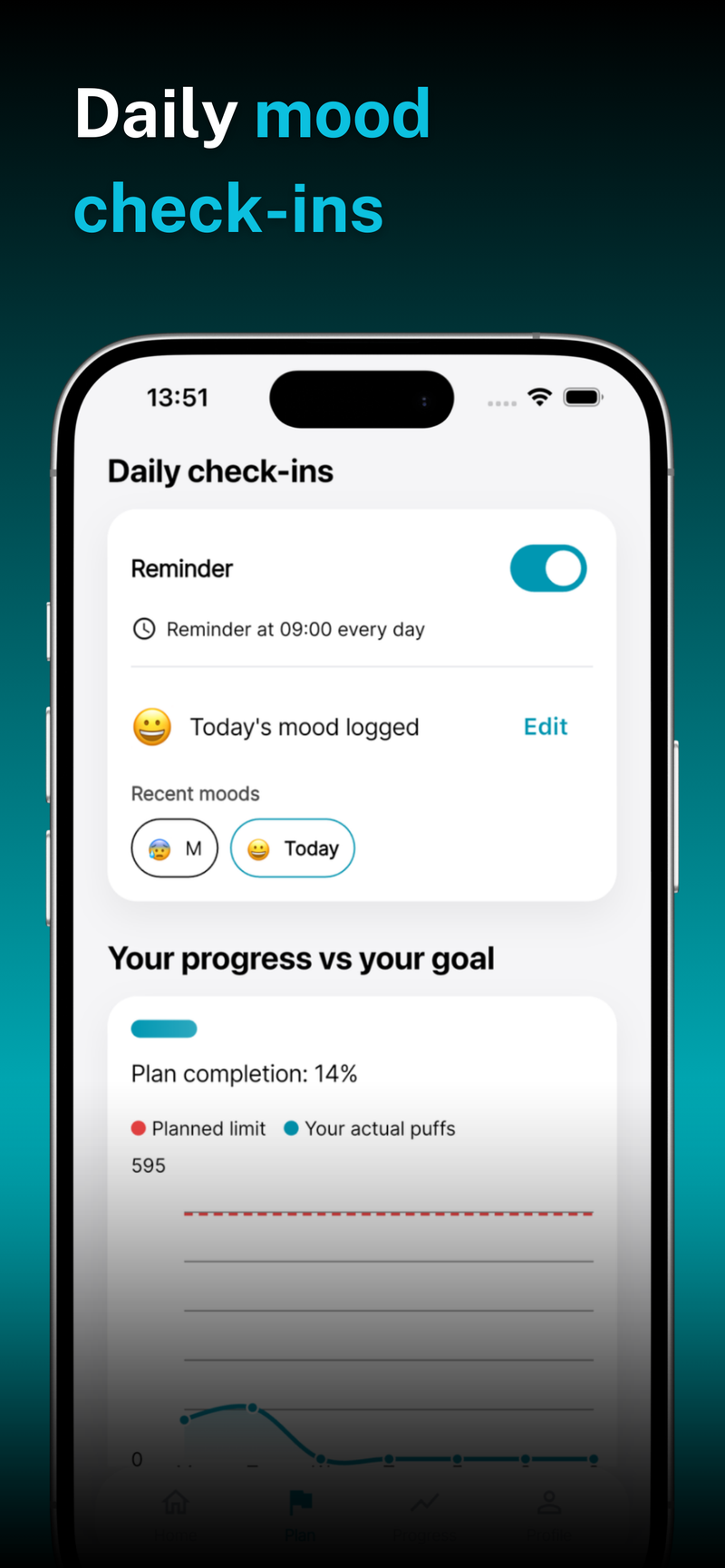

Daily MotivationProgress TrackingHealth MilestonesMoney Saved
💪 Onboarding & Personal Setup