
·Health
Nutrition Timing for Craving Reduction: A Practical Guide
Cravings during a quit attempt aren’t just about willpower. This practical guide explains how timing meals and snacks—adding protein, fiber, and hydration—can reduce urges and support a steadier quit journey. Simple, actionable steps await.
quit-smokingnutrition-timingcravings-managementhabitswellness
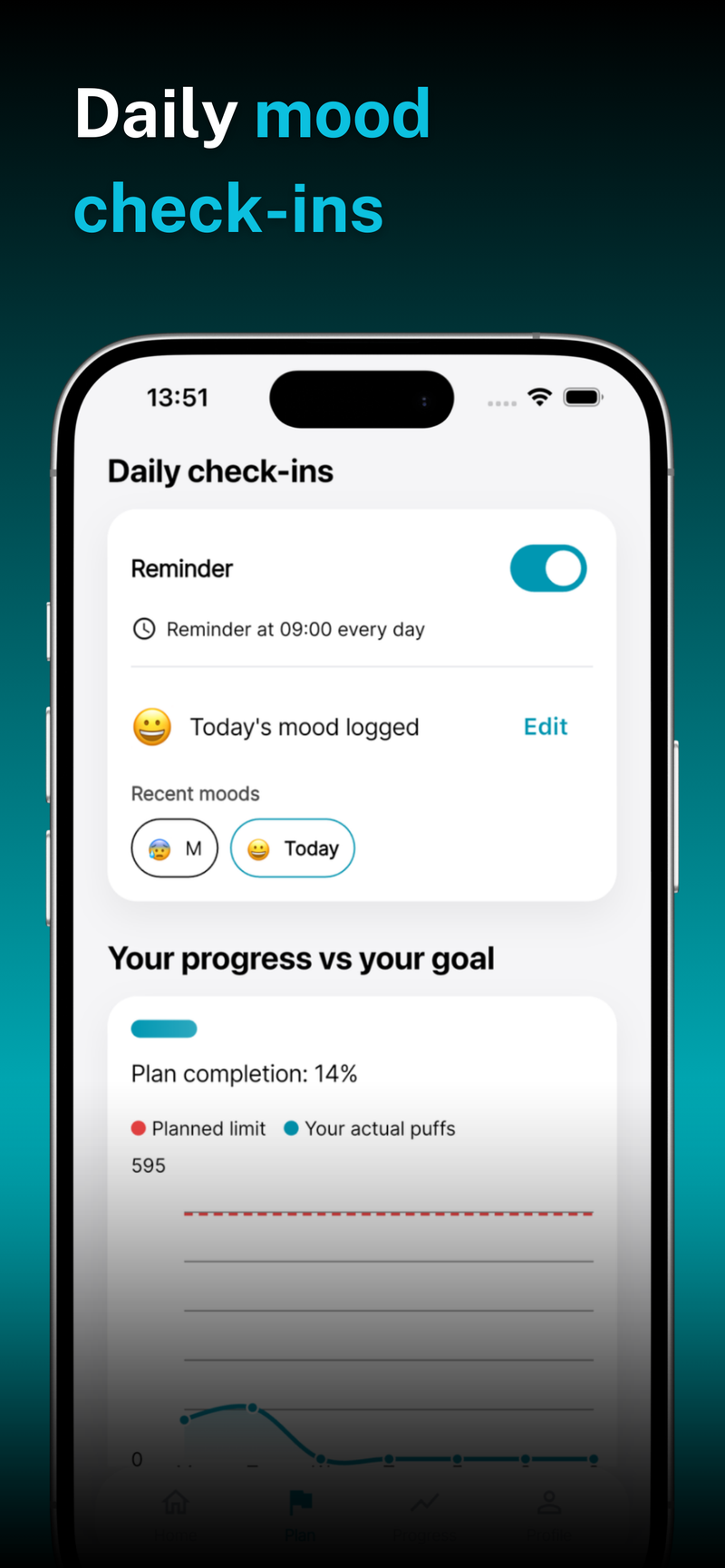
Introduction Cravings when you’re trying to quit smoking or vaping can feel relentless. But you don’t have to ignore hunger or stress—they’re signals your body is trying to manage. The secret often lies in when you eat, not just what you eat. By aligning your meals and snacks with your cravings, you can steady your blood sugar, boost fullness, and decrease the urge to reach for a cigarette or vape. This guide shares practical, evidence-informed strategies you can start today to use nutrition timing as a craving-reduction tool on your quit journey. ## Understanding cravings and nutrition timing Cravings aren’t only about willpower. They’re tied to biology: blood sugar swings, hunger signals, and withdrawal-related stress can amplify the urge to smoke or vape. Eating with intention helps: - Stabilizing blood sugar with balanced meals and snacks - Increasing satiety through protein and fiber - Reducing fast sugar spikes that can trigger further cravings - Keeping you energized and less prone to mood dips that spark a relapse Key principles to keep in mind: - Protein and fiber promote fullness and steady energy, reducing urge intensity. - Carbohydrates with a high glycemic index can cause quick spikes and crashes in blood sugar, potentially triggering cravings a little later. - Hydration matters: thirst can masquerade as cravings, and mild dehydration can make cravings feel stronger. - Sleep and stress influence appetite hormones; better rest supports better cravings control. ## Practical steps you can implement ### Step 1: Map your craving timeline - Keep a simple log for one week: note when cravings spike, what you ate in the preceding meal, your mood, and any stressors. - Look for patterns (e.g., after lunch, mid-afternoon, or late evening) and plan an appropriate response. ### Step 2: Plan regular meals and snacks - Aim for a rhythm of roughly every 3–4 hours to prevent hunger from escalating into a craving. - Structure meals around a balance of protein, fiber, healthy fats, and complex carbs. ### Step 3: Build crave-suppressing snacks - Choose snacks with at least 10–15 g protein and 5–10 g fiber per portion. - Examples: Greek yogurt with berries and a sprinkle of chia seeds; an apple with almond butter; a small bowl of cottage cheese with cucumber and cherry tomatoes. - Keep nuts, seeds, and hummus handy for quick, satiating options. ### Step 4: Pair carbs with protein and fats - If you have a carbohydrate-rich choice, add protein or fat to slow digestion and reduce spikes. - Good combos: whole-grain toast with avocado and egg; oats with milk and a scoop of protein powder; quinoa with beans and veggies. ### Step 5: Hydration and beverages - Start with a glass of water at cravings times; thirst may masquerade as hunger or cravings. - Unsweetened tea or black coffee can help some people, but avoid excess caffeine late in the day, which can disrupt sleep and increase stress hormones. - If a craving is intense but you can’t eat yet, sipping warm water or herbal tea and taking a short walk can help. ### Step 6: Smart substitutions for oral fixation - Use crunchy, low-calorie options (carrot sticks, cucumber slices, celery) with a dip of yogurt or hummus. - Chewing sugar-free gum or sipping minty tea can occupy the mouth during peak craving moments without undoing your plan. ### Step 7: Sleep, stress, and daily rhythm - Prioritize 7–9 hours of sleep; poor sleep heightens cravings and impulsivity. - Build stress-reduction habits (brief breathing, a short walk, or light stretching) to blunt withdrawal-driven urges. - Create a fixed evening routine to avoid late-night snacking that might be associated with smoking/vaping triggers. ### Step 8: Pre-commitment and craving plans - Prepare a short, 2-minute plan for craving moments: “I will drink water, then have a protein snack, and if still craving after 15 minutes, I’ll take a 5-minute walk.” - Have a visible cue: a small note on your fridge or phone reminder to pause before indulging. ## Quick meal and snack ideas - Greek yogurt with berries and a tablespoon of chia. - Apple or pear with natural peanut butter. - Whole-grain wrap with turkey, veggies, and a light mayo or hummus. - Cottage cheese with pineapple chunks and a sprinkle of flax. - Hummus with carrot sticks and bell pepper slices. - Oatmeal made with milk, topped with almonds and a scoop of protein powder. - Smoothie with spinach, protein powder, frozen berries, and flaxseed. Sample day schedule - Breakfast: eggs with spinach and a slice of whole-grain toast. - Morning snack: yogurt with berries. - Lunch: quinoa, grilled chicken, mixed vegetables, olive oil drizzle. - Afternoon snack: apple with almond butter. - Dinner: salmon, brown rice, steamed broccoli. - If needed, a light snack 1–2 hours before bed (cottage cheese or a small handful of nuts). ### When cravings hit and you can’t eat right away - Hydrate, take a short walk, or do a quick 5-minute stretch. - Chew gum or sip tea to ease the mouth activity while you prepare a healthy snack. - Reframe the urge: is it physical hunger, stress, or a habit cue? Address the root cause first. ### The role of sleep and stress - Consistent sleep supports appetite regulation and reduces the likelihood of late-evening cravings. - Short, regular stress-relief breaks (5–10 minutes) can lower cortisol and prevent impulsive snacking or smoking. ## Conclusion Craving management through nutrition timing isn’t about perfection; it’s about creating predictable patterns that keep you fuller longer, stabilize energy, and reduce the emotional pull toward smoking or vaping. By planning meals and snacks around your cravings, choosing protein- and fiber-rich options, staying hydrated, and prioritizing sleep, you can make gradual, sustainable changes that support your quit journey. If you’re looking for a structured, personalized approach to support your quit plan, Quit Smoking & Vaping can help. It offers onboarding and personal setup to help you create a t



Daily MotivationProgress TrackingHealth MilestonesMoney Saved
💪 Onboarding & Personal Setup