
·Health
Plan Your First 30 Days Quitting Nicotine: A Practical Guide
A practical, step-by-step guide to planning and navigating your first 30 days of quitting nicotine. Learn to set clear goals, map triggers, manage cravings, and track progress with realistic, actionable steps.
smoking cessationnicotine quit planhabitshealthcravings
Introduction If you’ve decided to quit nicotine, you’ve already taken a big step toward better health. The first days are often the toughest—cravings can feel overwhelming, routines that included nicotine can feel empty, and it’s easy to revert just when progress stacks up. You’re not alone: many people want to quit, but they don’t have a clear plan for the first month. A structured 30-day approach gives you concrete actions, measurable milestones, and a sense of control when cravings spike. This guide walks you through a practical, step-by-step plan to plan and navigate your first 30 days, with realistic strategies you can implement right away. You’ll learn to set a goal, map triggers, build a craving toolkit, and track progress so you can stay motivated when it matters most. ## Plan Overview Quitting or reducing nicotine works best when you break the journey into manageable stages. The 30-day plan below focuses on four core pillars: ### Start with clear goals - Decide your main objective: quit completely or monitor & reduce. - Pick a target timeline within 30 days and commit to a plan duration you can sustain. - Establish your baseline: your current daily cigarette or puff count and your weekly spend on nicotine products. ### Craving management toolkit - Build a short list of high-impact strategies to use in the moment: hydration, deep breathing, a 5-minute walk, cold water splash, or a quick physical activity burst. - Keep practical substitutes handy: sugar-free gum, hard candies, mint leaves, or a stress ball. - Consider longer-term supports if needed (nicotine replacement or other medically approved options) after talking to a clinician. ### Trigger mapping and environment - Identify your top triggers: after meals, with a coffee, during social events, or when stressed. - Change your environment to reduce friction: remove obvious nicotine cues, prepare alternatives, and adjust routines that cue use. - Plan for high-risk situations with a pre-prepared response. ### Support and accountability - Share your plan with a trusted friend or family member. - Schedule small check-ins with yourself (daily or every few days) to review progress and adjust. - Consider a buddy system or a lightweight accountability method that fits your life. ## Day-by-Day Framework ### Days 1-7: Set the foundation - Choose your quit date within the next two to three weeks. - Decide whether you’re quitting entirely or reducing intake first. - Document your baseline: current daily use, typical times of use, and weekly spending. - List your top 3 triggers and draft a simple plan to address each one. - Stock your craving toolkit and create a “grab-and-go” kit for moments when you’d normally reach for nicotine. - Start a simple cravings log: rate intensity (0-10) and note what helps most. ### Days 8-14: Build your early momentum - Implement your chosen quit date or reduction milestone. - Add a daily habit that replaces nicotine use (short walk, 5-minute stretch, or kettle-lemon routine). - Deepen your trigger plan: rehearse the response in imagined scenarios and rehearse with a friend. - Track money saved each day as a tangible motivator. - Engage in at least 150 minutes of moderate activity over the week to help manage cravings and mood. ### Days 15-21: Strengthen coping skills - Expand your toolkit with additional strategies: cold shower, chewing non-nicotine substitutes, or quick mindfulness. - Revisit your triggers and adjust your plan based on what’s working and what isn’t. - Increase social support: join a support group or check in with your accountability partner. - Review progress: have you hit early milestones? If not, adapt with smaller, achievable targets. ### Days 22-30: Plan for sustained change - If you chose complete quitting, aim for full abstinence and prepare for possible slips. - If you chose reduction, finalize a clear, measurable decrease path and set a future quit date. - Celebrate small wins (one week, two weeks, first fully nicotine-free day) and reflect on what helped most. - Create a long-term plan to prevent relapse, including ongoing triggers, coping skills, and support options. ## Practical strategies you can implement now - Craving window: cravings peak in the first 10 minutes after triggering cues and often fade within 30 minutes. Use an immediate distraction in that window. - Hydration and meals: drink water regularly and eat balanced meals to stabilize mood and energy. - Sleep and movement: prioritize 7-9 hours of sleep and aim for 20-30 minutes of brisk activity most days. - Routine replacement: swap a nicotine cue with a brief, pleasurable habit (e.g., a short walk after meals or a 5-minute meditation). - Trigger-focused plans: map three common triggers and rehearse your response in advance. - Journal your journey: note cravings, what helped, and your mood. This builds self-awareness and resilience. ## Monitoring progress and staying motivated - Keep a simple log of days nicotine-free and money saved. Seeing progress in black-and-white can be highly motivating. - Set micro-goals each week (e.g., two nicotine-free days in a row) and celebrate them. - Use social support strategically: tell someone you’re counting on them for accountability, not just for encouragement. - Expect setbacks, but plan for quick bounce-back: if a slip happens, analyze what led to it and reset the next day. ## Conclusion with subtle CTA Quitting nicotine is a journey, not a single act. By framing your first 30 days around clear goals, practical coping skills, and steady progress tracking, you give yourself the best chance to move beyond cravings and into a healthier routine. The approach above helps you see the patterns, adapt to challenges, and maintain momentum when motivation wanes. If you’re looking for a guided start, consider tools that focus on onboarding and personal setup to tailor your quit plan. A structured onboarding flow can help you choose your product type (cigarettes or vapes), set your main


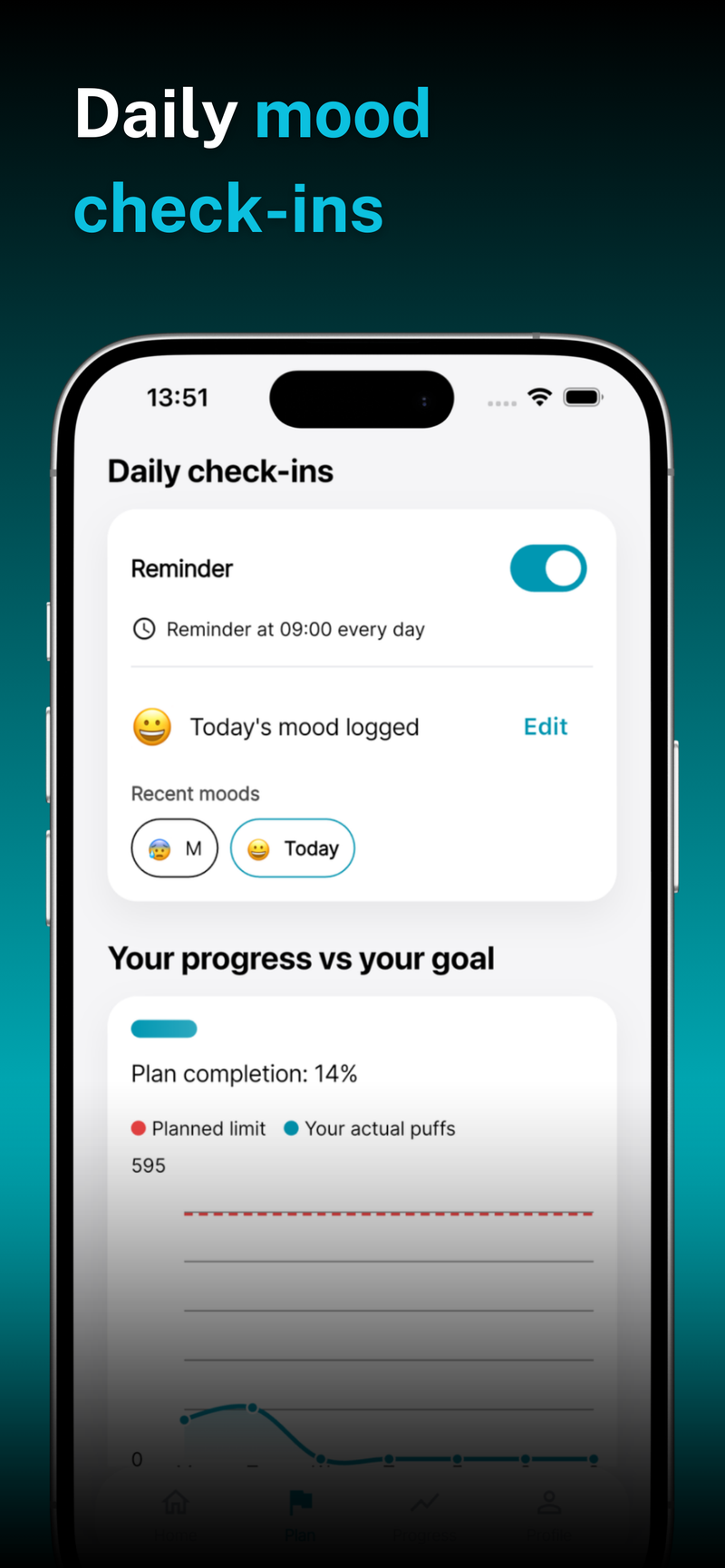

Daily MotivationProgress TrackingHealth MilestonesMoney Saved
💪 Onboarding & Personal Setup