Introduction
Quitting smoking or vaping is a big win for your health, but a common worry lingers: will you gain weight after you quit? Nicotine can suppress appetite and boost metabolism, so when you stop, your body may adjust in ways that influence your weight. The good news is that weight gain is not inevitable, and you can take deliberate steps to keep pounds in check while you build a healthier, smoke-free life.
On average, people who quit gain about 5–10 pounds in the first year, though ranges vary from a few pounds to more significant changes. With a proactive plan—focusing on meals, movement, sleep, and triggers—you can minimize this effect and feel more in control of your health journey.
Main Content
Understanding the weight gain dynamic
Nicotine suppresses appetite and increases resting metabolic rate. When you quit, appetite often returns to baseline, and cravings can shift toward snacks and sweets.Taste and smell can improve within weeks, making foods more appealing. This natural boost can influence portions and choices unless you have a plan.Even modest weight changes can affect motivation. Framing weight management as part of your quitting journey helps you stay on track for the long term.Practical steps to prevent weight gain
1) Prioritize balanced meals with protein and fiber
Build meals around lean protein (chicken, fish, eggs, beans), vegetables, and whole grains.Fiber-rich foods (vegetables, fruits, whole grains, legumes) promote fullness and steady energy.Plan small, regular meals to avoid starving cravings between snack times.2) Plan and portion snacks smartly
Prepare healthier, portion-controlled snacks (yogurt with berries, a handful of almonds, carrots and hummus).Keep trigger foods out of easy reach; if you crave something indulgent, choose a small portion and savor it slowly.Use a 10-minute rule: if you crave something, wait 10 minutes and reassess.3) Hydration and craving management
Start with a glass of water before meals and whenever cravings hit.Hydration can help with appetite signals; sometimes thirst masquerades as hunger.Subtle options like unsweetened tea, sparkling water, or sugar-free gum can help during cravings.4) Move more, strategically
Aim for at least 150 minutes of moderate activity per week, plus two days of strength training.Short bouts count: a 20–30 minute brisk walk after meals, stair climbs, or body-weight circuits at home.Exercise not only burns calories; it improves mood and reduces stress, which can otherwise trigger snack cravings.5) Sleep and stress management
Most adults need 7–9 hours of sleep per night. Poor sleep is linked to increased appetite and cravings.Create a wind-down routine: dim lights, limit screens, and practice slow breathing or a short meditation.Stress reduction supports better food choices; consider quick stress-coping techniques like box breathing or a 5-minute walk.6) Mindful eating and environmental cues
Eat without screens; focus on flavor, texture, and fullness cues.Chew slowly and pause between bites to gauge satisfaction, not just hunger.If you tend to snack in front of the TV, try a different activity during commercials or switch to healthier, pre-portioned options.7) Track progress in a healthy way
Weekly weigh-ins can help you notice trends, but don’t overreact to a single number.Track patterns: meals, workouts, sleep, and mood. A simple log helps you spot relationships between behavior and weight changes.Consider measuring waist circumference or how your clothes fit as a broader signal of change beyond the scale.8) Build support and accountability
Share your plan with a friend or family member who can check in with you.Consider a structured quit plan or support group to stay motivated and reduce relapse risk.Sample daily plan (illustrative)
Breakfast: Greek yogurt with berries and a spoonful of nuts.Mid-morning: Apple and a hard-boiled egg.Lunch: Grilled chicken salad with quinoa and a variety of veggies.Afternoon: 20-minute brisk walk or a short strength circuit.Snack: Carrot sticks and hummus.Dinner: Baked fish, steamed vegetables, and a small portion of brown rice.Evening: Tea, a small piece of dark chocolate if desired, and a quick stretch.Sleep: Consistent bedtime and a wind-down routine.When to seek help
If weight concerns escalate or you notice persistent cravings that derail your quit plan, consult a healthcare professional or registered dietitian. They can tailor a plan to your metabolism, health status, and lifestyle, ensuring you quit successfully without compromising your weight goals.
Conclusion
Quitting smoking is a major health win, and with a mindful approach to eating, activity, sleep, and stress, you can minimize weight gain and feel empowered throughout the process. The key is consistency, not perfection, and small, repeatable changes add up over time.
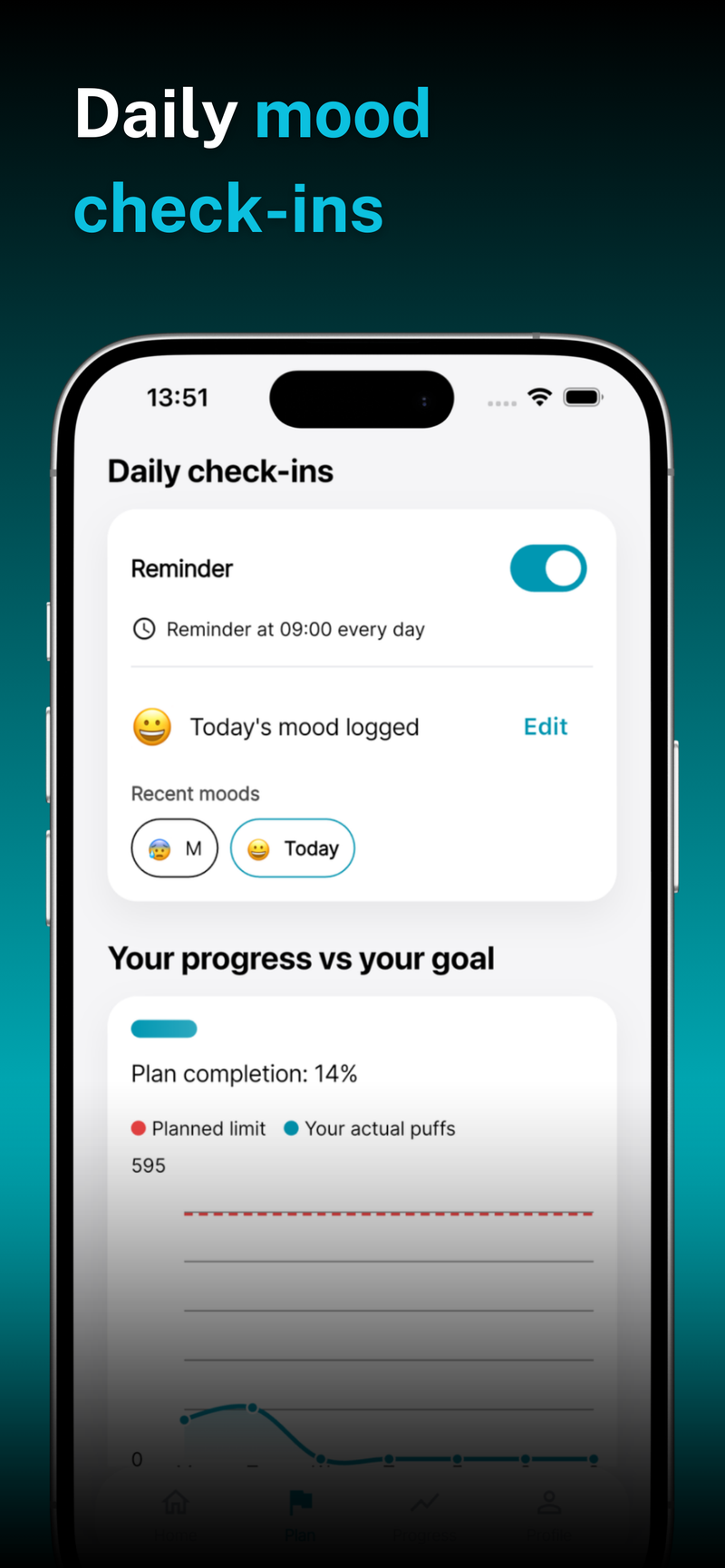
If you’re looking for structured support that helps you set a clear quit plan, track progress, and stay motivated, there are resources designed to guide you from onboarding through a personalized setup. Consider tools that offer a friendly onboarding flow, a personalized quit or reduction plan, and the ability to tailor your approach to cigarettes or vapes, your goal, and your timeline. Such a setup can make the path to a healthier, smoke-free life feel clearer and more doable.
Note: Quit Smoking & Vaping can help with this through its onboarding and personal setup features, guiding you to create a tailored plan that fits your habits and goals.