Quit Smoking

Quit Smoking

Your journey to freedom

·Health

Preventing Nicotine Relapse: Practical Tips That Work

Relapse is common, but preventable. This guide offers practical, real-world strategies to manage cravings, handle triggers, and build a plan that sticks for quitting smoking or vaping. Learn to identify triggers, use a craving toolkit, adjust daily routines, and track progress toward a nicotine-free life.

smoking cessationquit smokingvaping cessationrelapse preventionmental health

Introduction


Relapse is a common part of quitting nicotine. The decision to change is powerful, but the pull of old habits, stress, and social cues can be strong. If you’ve tried to quit before and found yourself reaching for a cigarette or vape again, you’re not alone. The good news: there are practical, real-world strategies that reduce cravings, strengthen your resolve, and keep you on track.

This guide focuses on nicotine relapse prevention—building habits and environments that support your goal, whether you want to quit completely or simply reduce usage over time. You’ll find concrete steps you can start today, plus ideas for grounding yourself during tough moments.

Understanding Why Relapse Happens


Nicotine withdrawal and cravings follow patterns that many people underestimate. Withdrawal symptoms can peak within the first day or two and may last for a couple of weeks, while cravings can pop up unexpectedly for months after quitting. The brain associates certain times, places, and emotions with nicotine, so triggers can feel overwhelming even when your resolve is strong.

Key points to keep in mind:

  • Cravings aren’t a sign of failure; they’re signals your body is adjusting.

  • Stress, alcohol, and social settings often increase relapse risk.

  • A structured plan makes it easier to navigate cravings and triggers.
  • Studies and expert guidance consistently show that having a plan dramatically improves odds of staying quit. In other words: preparation matters as much as willpower.

    Build a Practical Craving-Management Toolkit


    A well-stocked toolkit helps you ride out cravings without giving in.

    1) Delay and reassess


  • Use a 10-minute rule: tell yourself you’ll wait 10 minutes before deciding. Cravings often pass or fade in that window.

  • Do a quick ritual: splash cold water on your face, step outside for 2 minutes, or take three long, slow breaths.
  • 2) Substitutes and environmental tweaks


  • Hydration and sugar-free gum or hard candies can satisfy oral fixation without nicotine.

  • Keep nicotine-containing products out of easy reach; if you vape, consider setting a specific number of puffs per day rather than continuous use.

  • Create a no-automatically-smoking zone in your home or car; replace triggers with a non-nicotine cue (a soothing object, a scent, a sound).
  • 3) Physical activity and movement


  • Short bursts of activity reduce cravings and improve mood: a brisk 5-minute walk, push-ups, or a quick stretch routine.

  • Regular movement also helps manage weight and stress, common concerns when quitting.
  • 4) Mindfulness and coping strategies


  • Practice brief mindfulness: name three things you can see, three you can hear, and three you can feel.

  • Journaling cravings: note the trigger, intensity (0-10), and what you did to weather it. Tracking builds insight for your next high-risk moment.
  • 5) Oral and sensory substitutes


  • Use teeth-cleaning routines or mints to address oral fixation.

  • Scented oils or a comforting beverage can create a new association with calm moments instead of nicotine.
  • Plan for Triggers, Not Just Cravings


    Triggers are predictable: coffee breaks, after meals, or social events can cue nicotine use. Proactively addressing triggers reduces relapse risk.
  • Identify your top three triggers and map out a plan for each (what you’ll do, who you’ll call, where you’ll go).

  • Change routines to break automatic patterns: if you always smoke after a meal, walk for 5 minutes or switch to tea instead.

  • Modify your environment: keep triggers out of sight, reorganize your space, and curate a supportive soundtrack or playlist to lift your mood during high-risk times.
  • Strengthen Your Social System


    People and places matter when quitting.
  • Tell trusted friends or family about your plan and how they can help during cravings.

  • Build a sober social routine: propose a shared activity that doesn’t revolve around nicotine (a walk, a movie night, a hobby).

  • Prepare a quick, polite script to decline offers of smoking or vaping when cravings spike.
  • Track, Reflect, and Adjust


    Regular reflection makes relapse less likely by turning cravings into data you can act on.
  • Keep a simple daily log of cravings, noting what happened, where you were, who you were with, and how you responded.

  • Rate cravings on a 0-10 scale and note what reduced intensity (a drink of water, a 2-minute walk, etc.).

  • Weekly review helps you spot patterns and revise your plan accordingly.

  • Celebrate small wins: a smoke-free week or a day without vaping deserves recognition. Positive reinforcement strengthens your resolve.
  • When to Seek Extra Help


    Relapse risk rises with stress or if withdrawal feels unmanageable. It’s OK to seek additional support:
  • Consider counseling, support groups, or medical advice for nicotine-reduction strategies or medications that ease withdrawal.

  • If cravings feel overwhelming or you’re not progressing toward your goal, professional guidance can tailor solutions to your situation.
  • Conclusion: Put a Real Plan in Place


    The core ideas are simple but powerful: identify triggers, build a practical toolkit, adjust routines, lean on your support network, and track your progress. By treating cravings as signals to act—not signals of failure—you can tilt the odds in your favor over time.

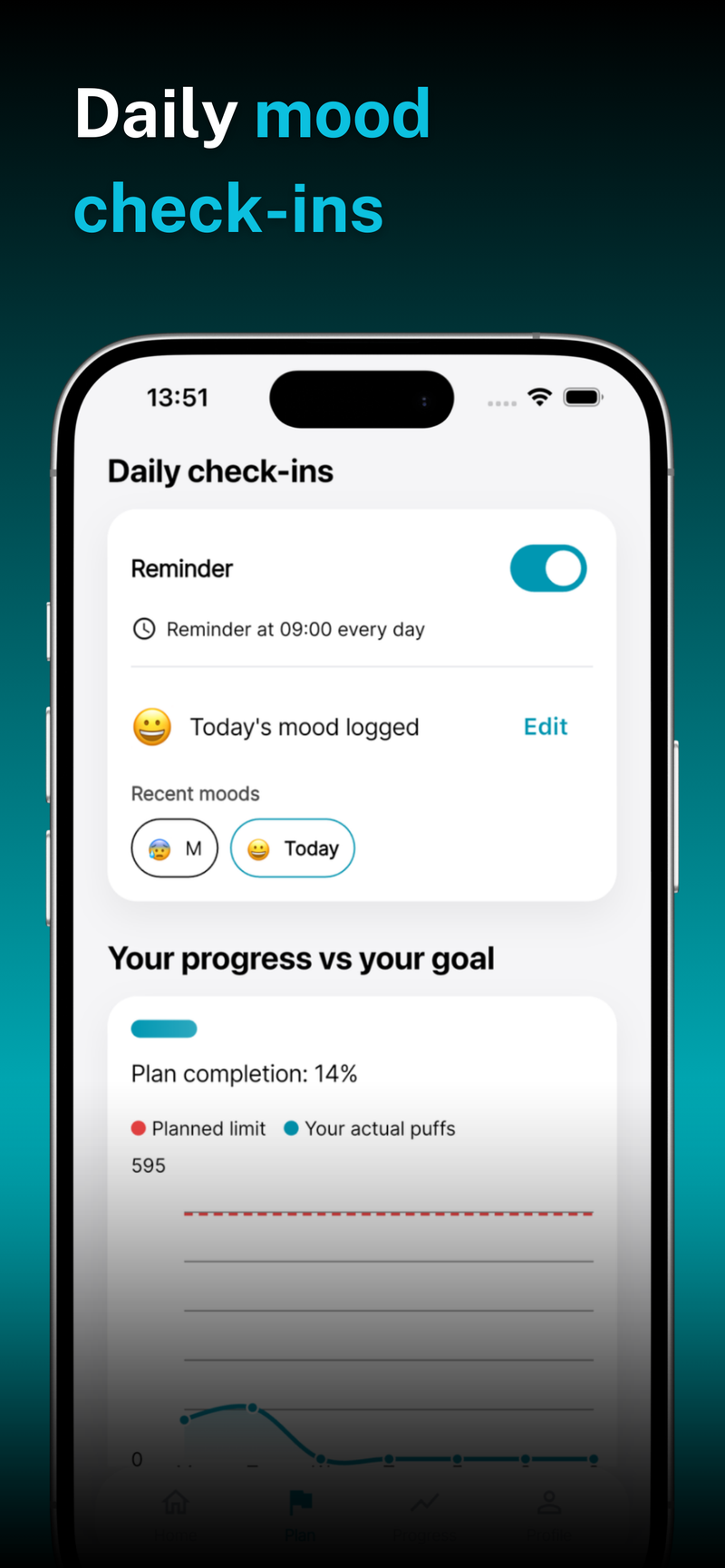
    If you’d like a structured path to support this journey, consider a guided onboarding and personal setup approach. It helps you choose your product type (cigarettes or vapes), set your main goal (monitor & reduce or quit), pick a target timeline, and capture your current daily usage and spending. Such a framework can provide clearer steps and accountability as you work toward nicotine relapse prevention. Explore whether a program like Quit Smoking & Vaping could align with your goals, and see how Fokus Puff – User-Facing Features can support your personalized plan. Remember: the best tool is the one that fits your life and keeps you moving forward.

    Quit Smoking icon

    Quit Smoking

    Your journey to freedom

    Free • In-App Purchases
    GET
    Dashboard
    Progress
    Health
    Savings
    Motivation
    Stats
    Daily MotivationProgress TrackingHealth MilestonesMoney Saved

    💪 Onboarding & Personal Setup

    Related Articles

    Quit Smoking

    Your journey to freedom