
Prioritize Debt Repayment Without Sacrificing Essentials
Discover practical ways to prioritize debt repayment without sacrificing essentials. Learn how to map needs vs. wants, choose a payoff strategy, and free up funds safely. Practical steps, real-world tips, and mindset guidance to take control of your finances.
Introduction
Debt can feel like a heavy ceiling over a family’s finances—holding you back from saving, investing, or even enjoying small moments. The real challenge isn’t just paying off debt; it’s doing so without compromising the basics: a stable home, healthy meals, reliable utilities, and medical care. If you’re tired of seeing debt payments eat into essentials, you’re not alone. The good news is you can design a plan that reduces interest and shortens payoff time without sacrificing what keeps life steady.
Understanding your essentials and your debts
Distinguish needs from wants
Before you do anything debt-related, map out your monthly reality:
This isn’t about deprivation; it’s about clarity. When a bill hits, you can quickly tell whether you’re cutting a must-have or a discretionary line item.
List every debt clearly
Create a simple debt inventory:
Seeing the numbers side by side helps you prioritize without guesswork.
Building a debt-focused budget that preserves essentials
The payoff framework: avalanche or snowball, with a twist
Two common methods exist:
For households prioritizing staying solvent, the avalanche tends to reduce overall interest and shorten payoff time, but you can mix approaches. The key is to keep minimums on all accounts and funnel every available cent toward debt whenever possible, after covering needs.
Set a realistic base: needs, then add a debt boost
1) Determine your essential monthly cost: housing, utilities, groceries, healthcare, transport, childcare. Let’s call this Your Essentials.
2) Ensure Your Essentials are fully funded first. If they aren’t, fix those gaps before any debt payments or discretionary spending.
3) Establish a Debt Minimums line. This is the sum of all minimum payments due this month.
4) Identify your Debt Boost fund. This is the extra you can contribute toward debt after needs and minimums are covered.
Example:
If you can reliably contribute an additional $350–$500 per month toward debt (beyond minimums), you accelerate payoff without touching essentials. The rest of the discretionary money stays as a buffer or grows your emergency fund.
Build a minimal emergency buffer, then lean on it wisely
Aim for 1–2 months of essential expenses as a starter emergency fund. Once debts are on a track to shrink, you can gradually increase this fund to 3–6 months. A solid buffer helps prevent new debt when an unexpected expense appears, preserving your payoff plan.
Practical tactics to free up funds without hurting essentials
Protecting essentials while you pay down debt
When to consider debt consolidation or negotiation
Mindset, tracking, and momentum
Conclusion
Paying off debt doesn’t have to come at the expense of basic stability. By clearly separating needs from wants, using a disciplined payoff framework, and actively finding affordable ways to free up funds, you can reduce debt more efficiently while preserving the essentials that keep your family secure.
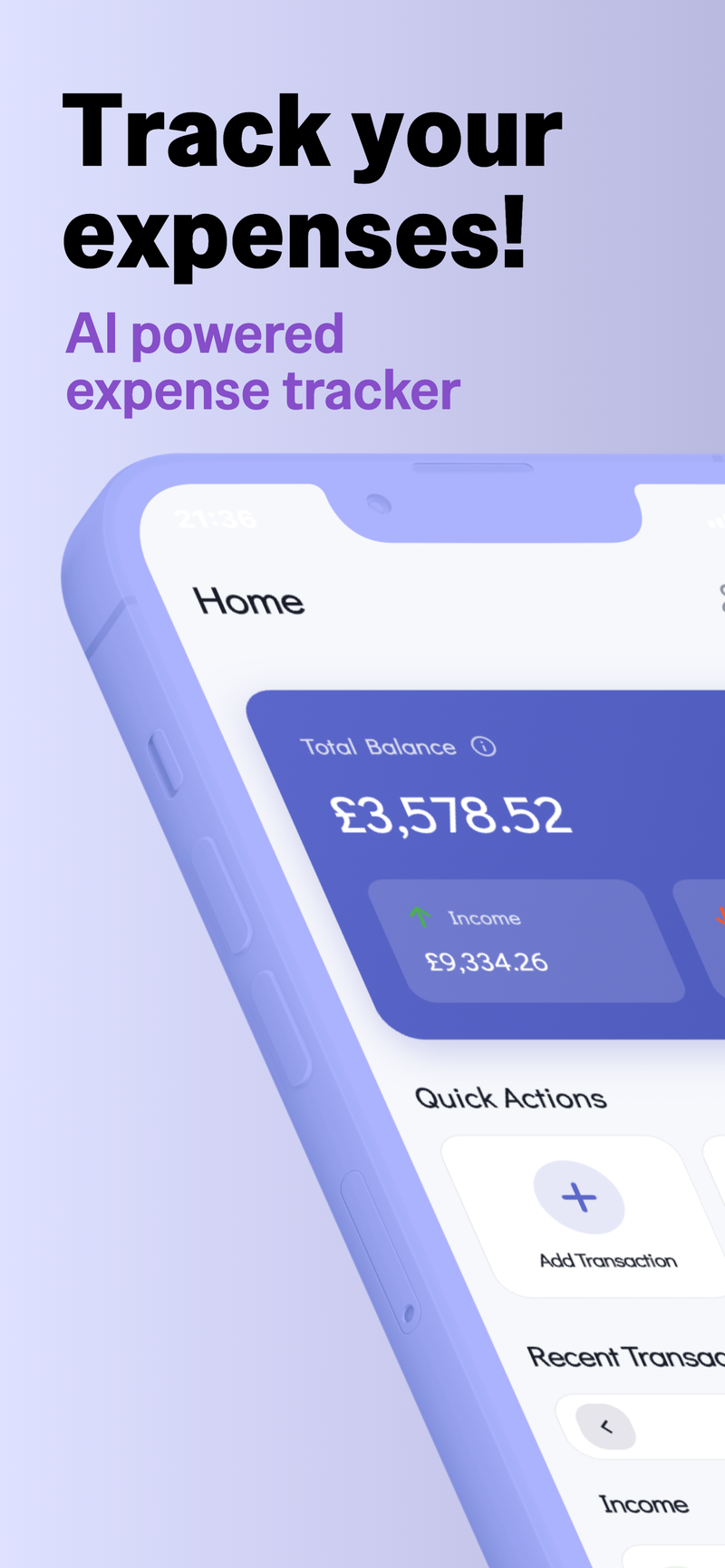
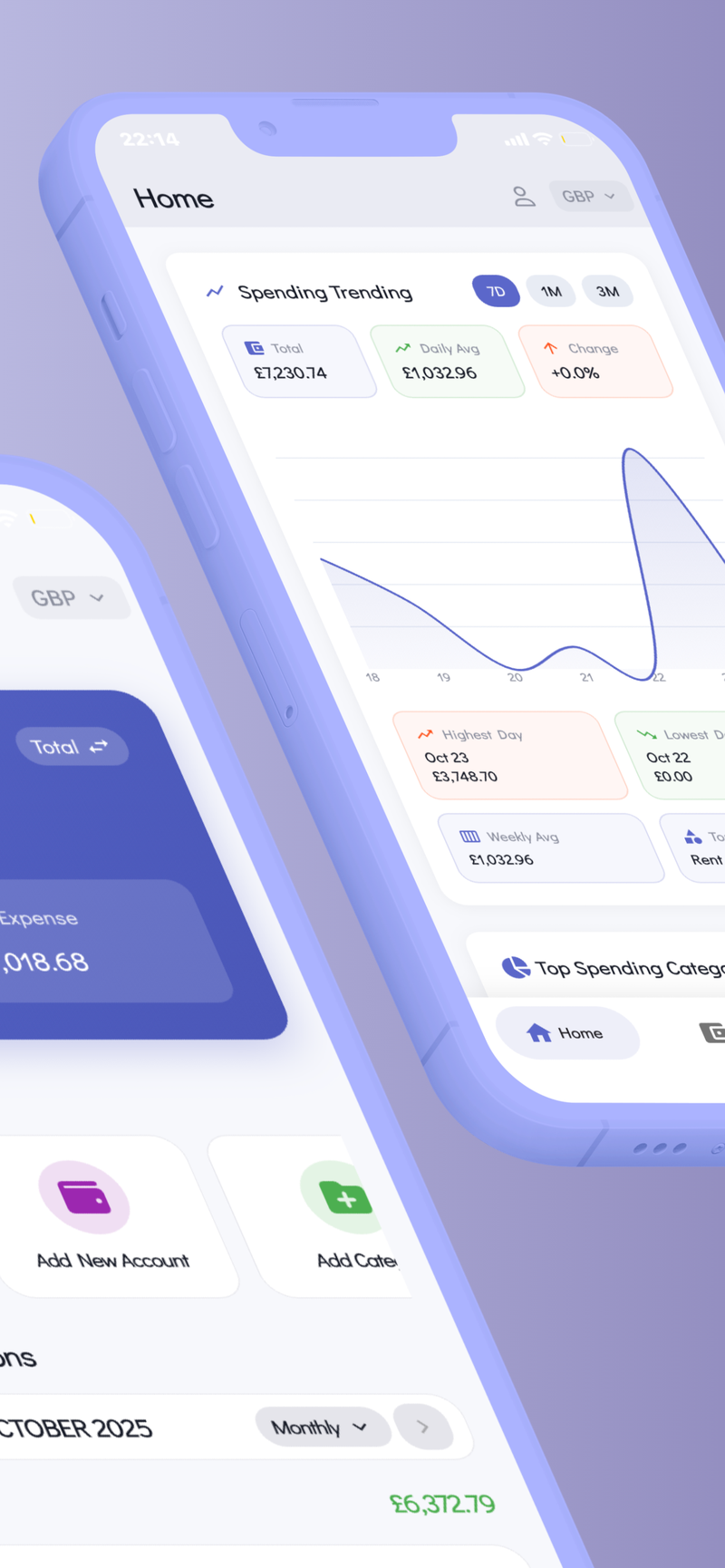
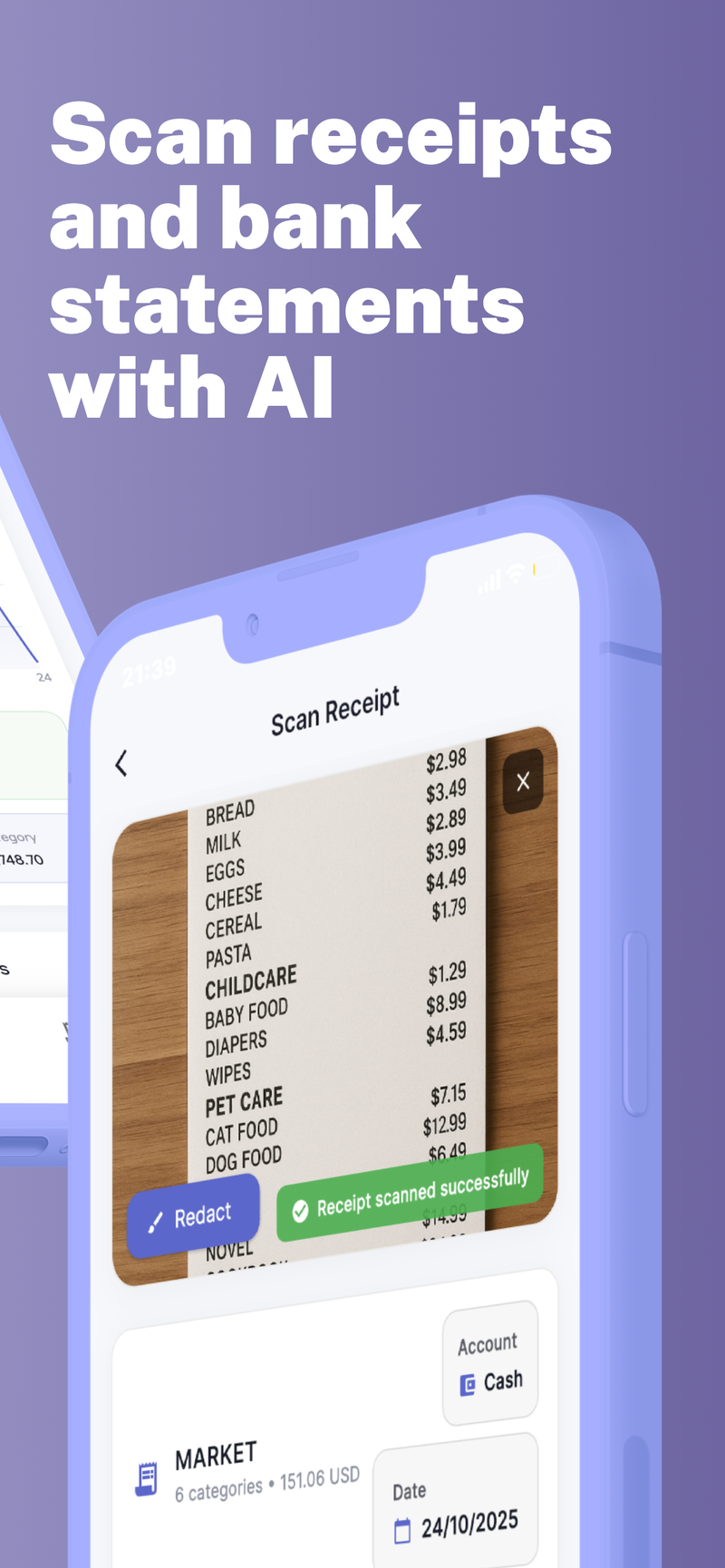
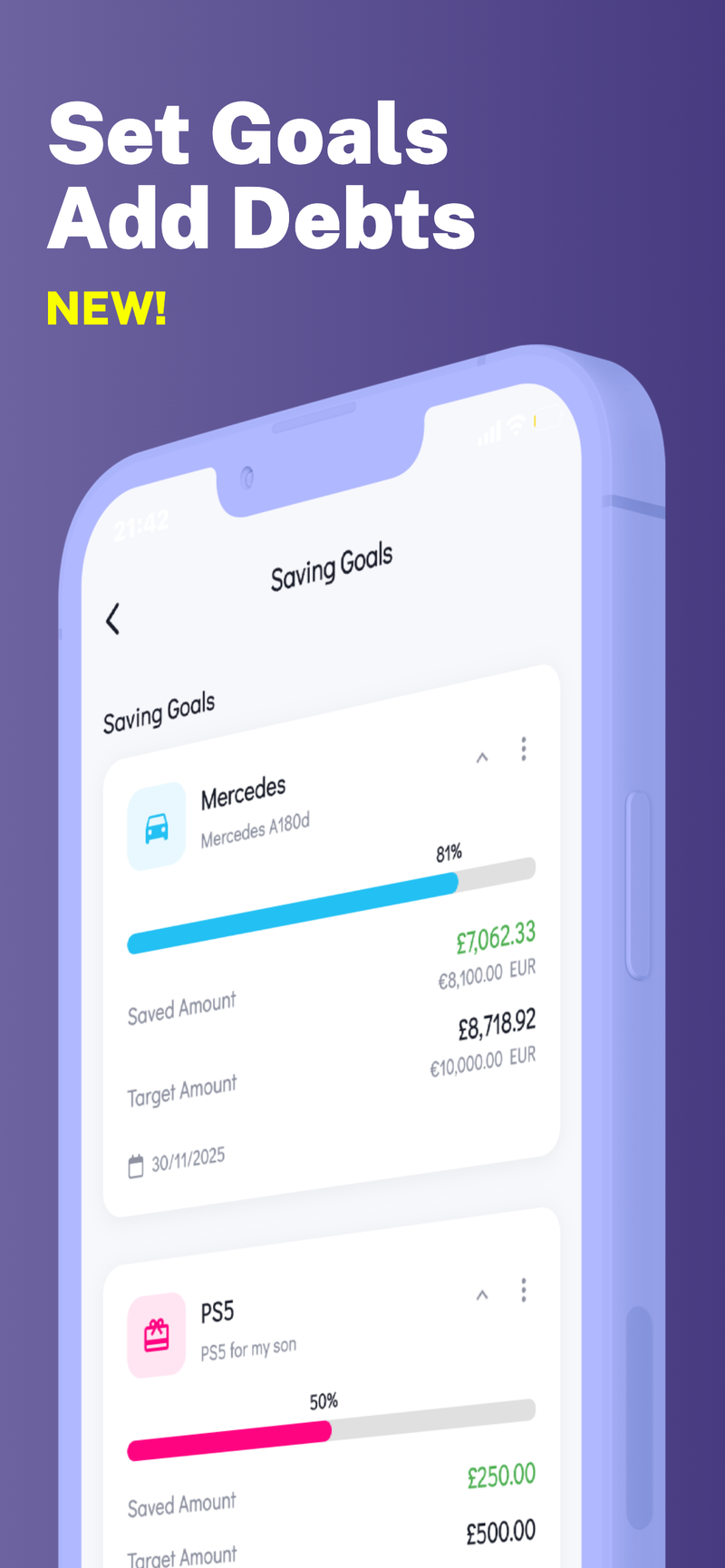
If you’re looking for a practical, privacy-conscious way to keep these strategies organized—while managing multiple budgets or profiles—the right tool can help you

✨ Privacy-focused on-device data storage