
Prioritize Savings When Every Dollar Counts: Quick Guide
Every dollar can work harder with a simple, repeatable budget plan. Learn practical steps to track spending, cut costs, and automate savings, so your money grows over time. A steady approach beats heroic efforts every time.
Introduction
If you’ve ever wondered where your money goes before the month ends, you’re not alone. Inflation, rising costs, and unexpected expenses can squeeze any budget. The good news is that you don’t have to overhaul your life to save more. A few practical, repeatable steps can shift the balance between income and spending so that every dollar works harder for you.
This quick guide focuses on real, doable actions you can start today. It’s not about deprivation or gimmicks—it's about clarity, discipline, and momentum. By building a simple system, you’ll gain confidence and see savings grow month after month.
Track your spending with a plan
Tracking is the foundation of smarter money decisions. Start with a 30-day audit to understand where every dollar goes. Try these steps:
Tip: keep a one-page snapshot of your plan. Review it weekly for 4–6 weeks to see where you can tighten without hurting essentials.
Cut costs without feeling deprived
Small changes add up. Focus on high-impact, low-effort tweaks first:
Rule of thumb: if you don’t miss the expense after a 24-hour pause, it’s a likely cut you can make.
Automate savings and spending discipline
Automation takes the emotion out of saving and helps you stay on track:
Automation creates a steady rhythm. The fewer decisions you need to make each day, the more likely you are to stick with your plan.
Plan for emergencies and big goals
A strong foundation includes short-term safeguards and a strategy for debt:
A clear plan for emergencies reduces anxiety and prevents derailment when expenses spike.
Involve the household and stay accountable
Budgeting as a family or shared household increases buy-in and success:
By making budgeting a collaborative effort, you turn saving from a solo chore into a shared habit.
Track progress and adjust
Regular reviews keep your plan relevant:
A simple, consistent cadence—weekly check-ins for 15 minutes and a longer monthly review—will keep you on track even when life gets busy.
Conclusion
Saving on a tight budget isn’t about heroic sacrifices; it’s about consistent clarity and deliberate choices. Start with a quick audit, trim high-impact costs, automate what you can, and review your progress regularly. If you keep the process simple and repeatable, you’ll build momentum that lasts beyond one month.
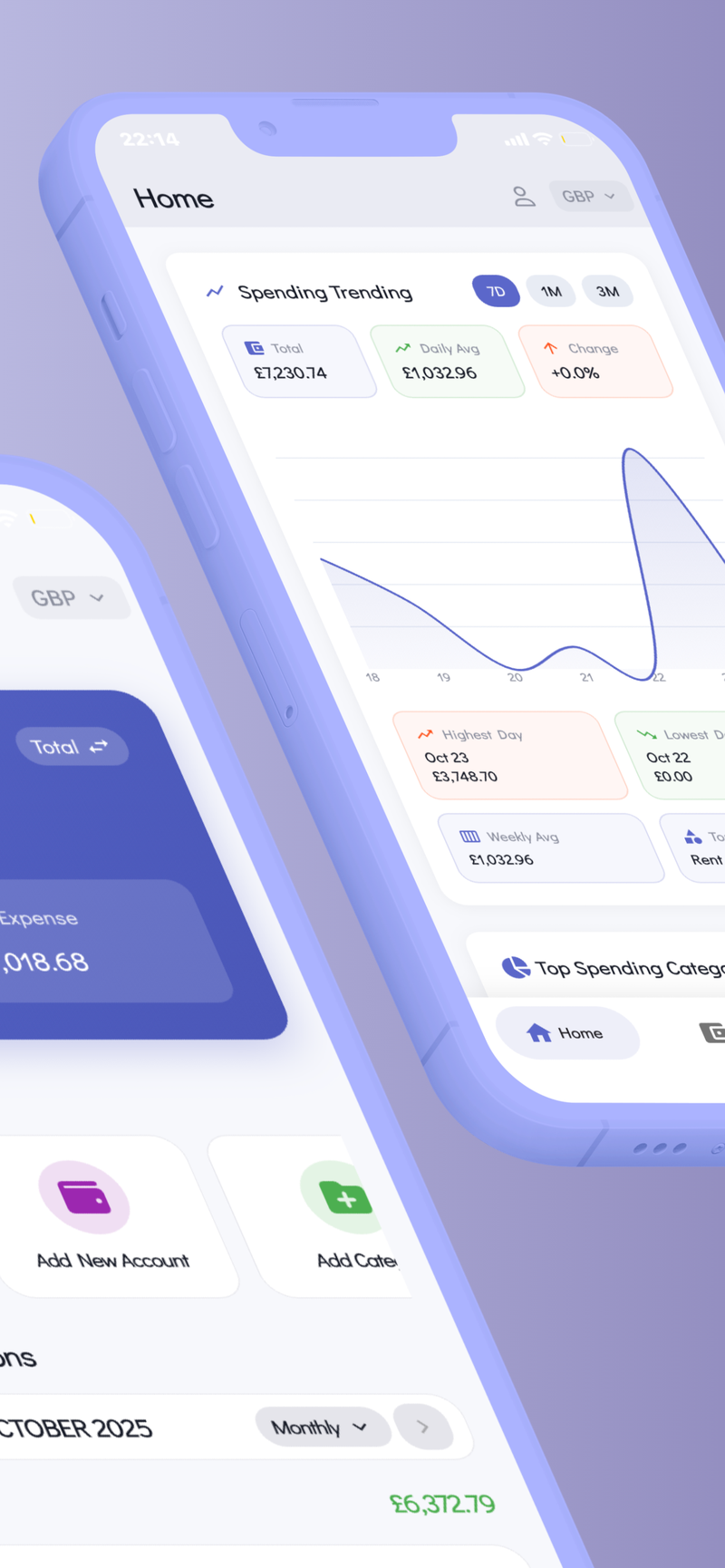
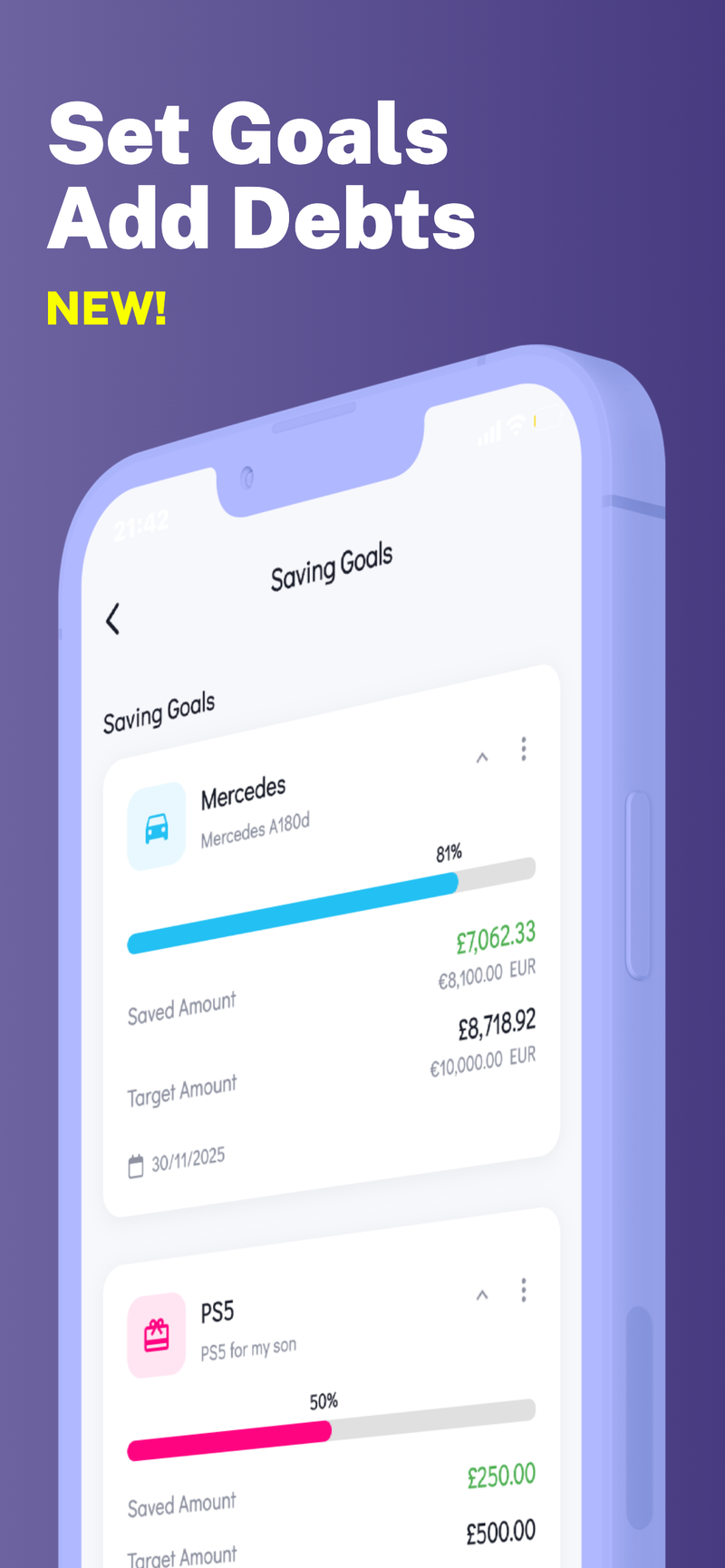
If you’re looking for a private, organized way to manage multiple budgets—personal, family, or household—Fokus Budget can help with this. It offers Multi-Profile Support to keep different budgets separate while maintaining strong privacy and on-device data storage, so each family member’s finances stay tidy and secure.



✨ Multi-Profile Support