
·Health
Reframe Cravings as Signals for Better Habits Daily
Cravings can feel overwhelming, but they’re useful signals. This guide shows practical steps to reframe urges into data you can act on, with concrete tactics, habit-building ideas, and simple tracking to support quitting smoking or vaping.
habitscravingssmoking cessationbehavioral changestress management
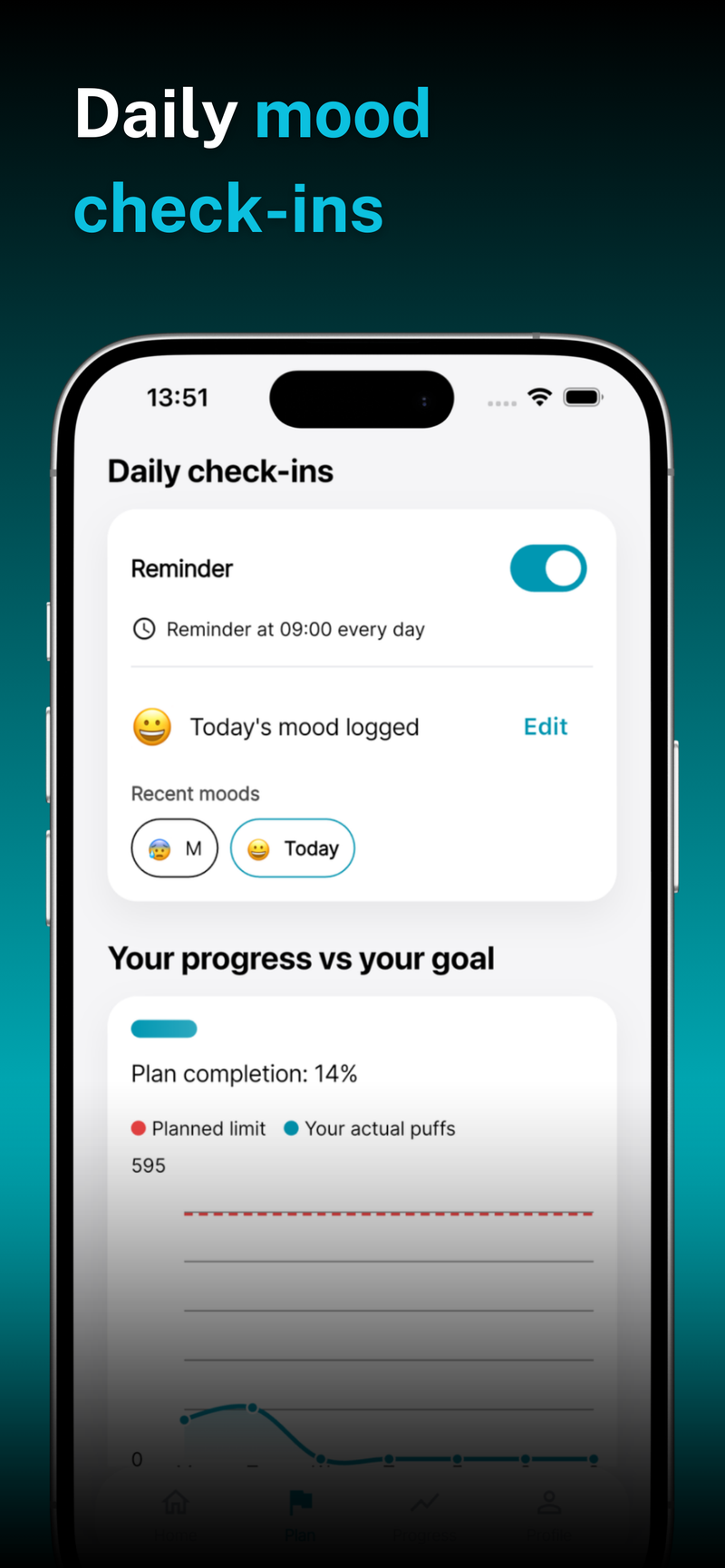
Introduction Cravings often feel like roadblocks that sabotage your best intentions. If you’re trying to quit smoking or vaping, those urges can seem relentless—the herald of failure rather than a sign you can learn from. But cravings are not simply moments to endure. They are data points—signals about your environment, routines, and needs. When you treat them as information to guide changes, you build stronger habits and create a sustainable path forward. Cravings typically last a few minutes and vary in intensity. Research and expert guidance describe cravings as a normal part of quitting, not a defect in your willpower. By reframing them as signals, you shift from a battle of resistance to a process of adjustment. This approach helps you develop practical steps you can repeat, day after day. ## Cravings as signals, not failures Think of each craving as a small alarm bell. What is that alarm telling you? - It may be a trigger in your environment (a familiar room, a routine, a time of day). - It can indicate an unmet need (stress relief, social connection, a sugar or caffeine craving). - It might reflect a rhythm your body is used to (the ritual of lighting a cigarette or taking a vape hit). Treating cravings as signals helps you design better responses instead of simply suppressing them. Acknowledge the urge, name the trigger, and decide on a concrete, repeatable action. - Urge intensity often follows a curve: quick spike, then gradual fade. In many cases, the peak lasts about 3-5 minutes. You can ride it out with deliberate, planned actions. - Small, consistent changes beat big swings. A habit formed from consistent, doable steps compounds over time more than heroic but brief efforts. ## Identify triggers and needs To turn cravings into useful data, start by identifying what’s driving them. ### Recognize your triggers - Time cues: after meals, during breaks, or first thing in the morning. - Places: a bar, a friend’s house, or your commute spot. - Emotions: stress, boredom, anxiety, or sadness. - Activities: finishing a workout, finishing a task, or scrolling social media. ### Ask what the craving is really for - Taste or ritual: the sensory experience of smoking or vaping. - Relief: a momentary pause from stress or fatigue. - Social connection: being with others who smoke or vape. When you can name the trigger and the underlying need, you can design a targeted response rather than a generic resistance strategy. ## Create a craving action plan Convert insights into concrete steps you can repeat. ### If-Then rules you can use - If I crave after lunch, I will drink a glass of cold water and take a 5-minute walk. - If I feel stressed at work, I will perform 4 slow breaths and switch to a quick stretch break. - If I’m in a social setting where others smoke, I will hold a mint or gum and join a supportive conversation away from the smokers. - If I reach for a vape or cigarette, I will delay for 10 minutes and log what changed in that time. ### Quick substitution toolkit - Hydration: water, seltzer, herbal tea. - Oral substitutes: sugar-free gum, lozenges, or mints (if approved by your plan). - Physical replacements: a short stretch, a brisk walk, a hand grip exercise. - Sensory cues: peppermint or citrus scents to shift the experience. ### Delay techniques that help - Ping a 5-minute timer and commit to one small action during that time. - Name the urge aloud: “This is a craving for nicotine.” Then proceed with the chosen action. - Use a simple ritual: take three slow breaths, exhale with a sigh, and move to a different activity. ### Environment design - Remove obvious triggers where possible (empty packs, lighter, or vape devices in sight). - Create a dedicated craving-safe zone: a small space for water, a journal, and a quick stretch. - Keep busy with a low-friction task (puzzle, quick chore, or 2-minute tidy). ## Build new routines around cravings Cravings can be woven into new, healthier routines. ### Habit stacking Pair a craving response with an existing habit to build automatic behavior: - After meals, practice 2 minutes of deep breathing and a 5-minute walk. - When finishing a work task, sip water and stretch for 60 seconds. - At the time you usually vape or smoke, switch to a quick mindfulness exercise. ### Social and emotional adjustments - Prepare a 60-second script to divert conversations away from smoking discussions. - Share your goal with a trusted friend or family member who can offer support during tough moments. - Build a small reward system for meeting daily milestones (a favorite non-tobacco activity, a small treat, or time to unwind). ### Sleep, stress, and recovery - Prioritize sleep hygiene; sleep gaps intensify cravings. - Use regular stress-management practices (short mindfulness sessions, progressive muscle relaxation, or a quick workout). - Acknowledge that slips happen. Plan a gentle recovery path instead of judging yourself. ## Track progress and learn continually Tracking helps you convert cravings into actionable insights. ### Daily check-ins - Rate craving intensity on a 0-10 scale. - Note the trigger, location, and emotion. - Record what you did in response and whether the urge faded within 5 minutes. ### Weekly reviews - Look for patterns: which triggers recur and what responses work best. - Assess your habit stacks: are there gaps where you default back to vaping or smoking? - Celebrate small wins: days with fewer cravings, longer delay times, or effective substitutions. ### Small wins add up - You may notice that even modest reductions in cravings correlate with meaningful gains in mood, energy, and savings over time. ## Conclusion Cravings don’t have to derail your progress. When you treat them as signals, you gain a practical framework for change: identify triggers, name the underlying need, plan a fast, repeatable response, and track what works. Over weeks, these steps compound, turning brief urges into



Daily MotivationProgress TrackingHealth MilestonesMoney Saved
💪 Onboarding & Personal Setup