Fokus Budget

Fokus Budget

AI-powered expense tracking

·Budgeting

Saving for College on a Budget: A Simple Family Plan

Saving for college doesn’t require a huge windfall. A practical, family‑friendly plan focuses on clear goals, small automatic contributions, and leveraging available aid. Learn a simple, actionable approach to budgeted college savings.

budgetingcollege-planningfamily-financesavingsfinancial-planning

Introduction


College costs have kept rising, and many families feel the pressure of balancing daily expenses with long‑term goals. You don’t need a windfall to start saving for college; you need a clear plan you can stick to. This guide offers a simple, actionable approach that fits real family budgets and builds momentum over time.

Main Content


1) Start with a realistic target


Begin by projecting college costs in today’s dollars and acknowledge inflation. Public four‑year costs (tuition, fees, room, and board) have typically risen in the range of 3‑5% per year over the past decade, while private colleges are higher but less predictable year to year. A practical first step: decide how much of the total costs you want to cover with your own savings by the time your child starts college. A common, sensible aim is to fund about a quarter to half of the four‑year cost with your savings, while applying for aid, scholarships, and student loans for the rest.
  • Example approach: if a public university costs about $26,000 per year today, think about a total target around $100,000 for four years in today’s dollars. You might plan to cover 25‑50% of that with savings over the next 10‑18 years, adjusting for inflation and potential scholarships.

  • Practical outcome: set a concrete yearly or monthly savings goal (for example, a few hundred dollars a month, growing over time) rather than chasing a single lump sum later.
  • 2) Build a simple savings plan you can automate


    A consistent, automatic approach beats bursts of saving when you have extra cash. Here’s a practical framework:
  • Open a dedicated college fund: keep the money separate from everyday checking. A simple high‑yield savings account or a tax‑advantaged option (see below) works well for the long horizon.

  • Automate transfers: set up a monthly transfer from your primary account to the college fund, starting small (even $25–$50) and increasing it as budget allows.

  • Use a vision cue: label the funds with your child’s name and the year they’ll start college to keep the goal visible.
  • 3) Explore tax-advantaged and cost-saving options


    Think about accounts and strategies that maximize growth while protecting the money for education:
  • 529 plans: earnings grow tax‑free and withdrawals for qualified higher education expenses are tax‑free. You may also get state tax benefits in some states. Choose a plan with low fees and age‑based investment options if you have a long horizon.

  • Coverdell and other options: although less common today, some families use Coverdell ESAs for specific scenarios; weigh fees and contribution limits.

  • Scholarships and aid first: complete the FAFSA early, search for local scholarships, and apply for employer or community program grants. Every dollar of free money reduces the burden later.
  • 4) Make room in your budget without deprivation


    You don’t need to cut essential needs to save for college. Instead, optimize discretionary spending and reallocate it:
  • Audit 90 days of spending: identify subscriptions you rarely use, dining out, entertainment, and impulse purchases.

  • Create a zero‑based budget for discretionary categories: assign every dollar a job, including a line item for education savings.

  • redirect windfalls and raises: commit any raise, bonus, tax refund, or extra income to the college fund first.

  • small, steady wins add up: even $5–$20 per week can compound meaningfully over years.
  • 5) Involve your family and track progress


    Make saving for college a shared effort:
  • Set family savings milestones and celebrate when you hit them.

  • Create a simple dashboard (a printable or digital tracker) showing progress toward the annual target and the projected long‑term goal.

  • Involve your child early: teach basic budgeting, the idea of trading off current spending for future education, and the value of earning through chores, part-time work, or gifts toward college.
  • 6) Revisit costs and adjust as needed


    Regular reviews help you stay on track:
  • Review every 6–12 months to adjust for inflation, changes in family income, or education goals.

  • Reassess cost estimates as your child ages and as state or federal aid policies evolve.

  • If plans drift, rebalance: increase monthly contributions or reallocate investments within your college fund to maintain the pace toward your target.
  • 7) Practical tips that make a difference


  • Start early, even if slowly: time in the market matters, but time in a savings account matters too for risk‑free growth.

  • Favor compounding growth: prioritize accounts that allow your money to grow over time rather than racing to a fixed sum.

  • Consider the value of community or in‑state options: sometimes the most affordable path is a state college nearby or a community college with guaranteed transfer agreements.
  • Conclusion


    Saving for college on a budget is less about one dramatic move and more about steady, repeatable choices that fit your family’s life. Start with a clear target, automate what you can, use tax‑advantaged options where appropriate, and engage the whole family in the process. With regular check‑ins and smart cost management, you’ll build momentum and reduce the fear of tuition spikes down the road.

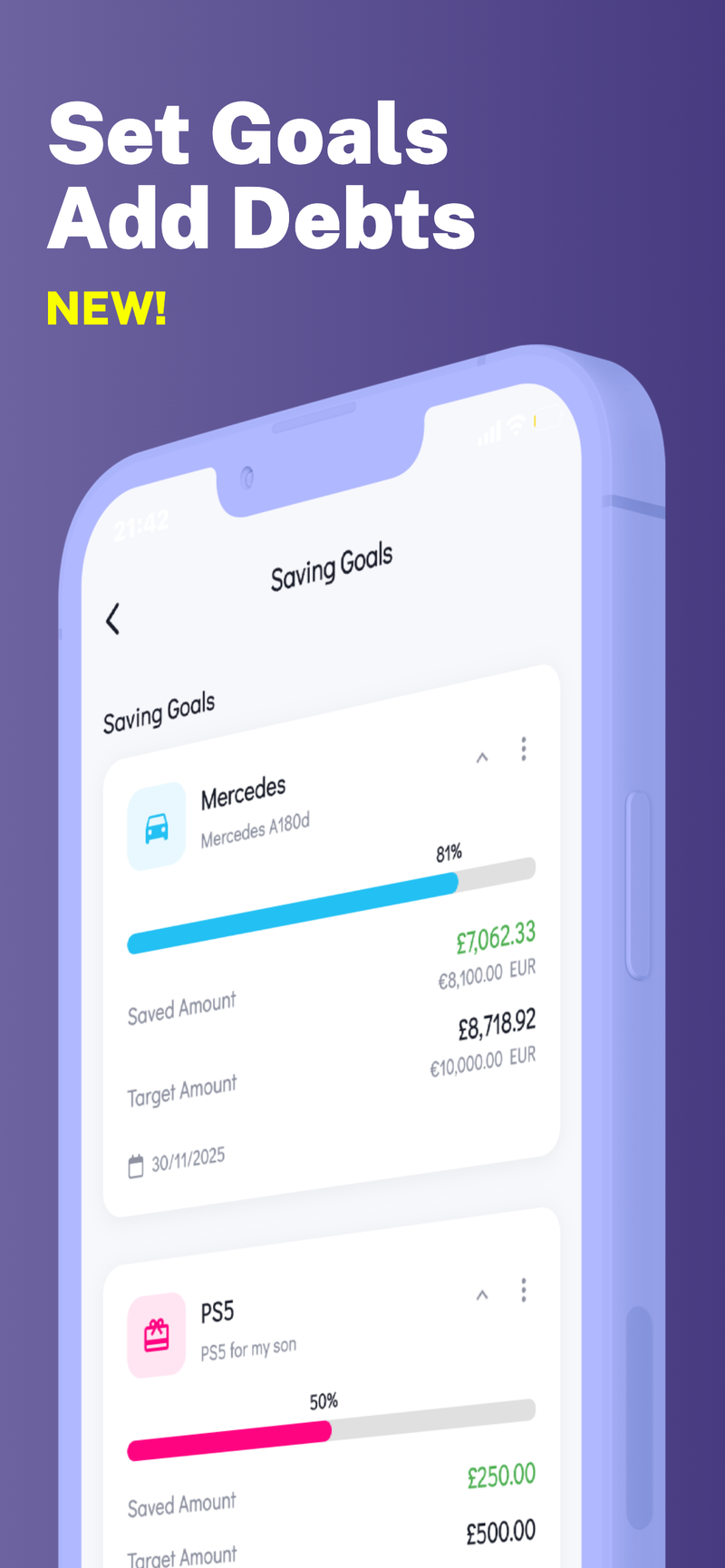
    If you’re looking for a practical tool to help you implement these steps, Fokus Budget can assist in managing your family budgets in one place. It supports multiple profiles so you can keep personal, family, and college savings goals organized separately, all while keeping your data private on your device.


    Fokus Budget icon

    Fokus Budget

    AI-powered expense tracking

    Free • In-App Purchases
    GET
    Dashboard
    Analytics
    Transactions
    Categories
    Reports
    AI Receipt ScanningMulti-CurrencyBank ImportPrivacy-First

    Multi-Profile Support

    Related Articles

    Fokus Budget

    AI-powered expense tracking