
Slash Food Waste and Cut Grocery Costs This Month Today
Tackle grocery waste with a simple waste audit, strategic meal planning, and smarter shopping. Learn practical steps to cut waste and save money this month, plus quick storage and leftovers tips.
Introduction
Rising grocery prices and the clutter of spoiled food can feel like a double hit to your budget. You buy thoughtfully, but waste sneaks in—lettuce wilts, opened jars go unused, and those impulse buys sit in the pantry. If you’re trying to spend less without sacrificing meals, you’re in the right place. Small, repeatable habits can shrink waste by a surprising margin and trim your monthly grocery bill. The good news: you don’t need a complicated system to start. You just need a few practical tweaks you can apply this month.
Main Content
Do a waste audit
A waste audit is the fastest way to see where money is slipping away. Try this:
1) Track everything you throw away for 7 days. 2) Separate items by category (produce, dairy, pantry, prepared foods). 3) Note the cost of each wasted item and the quantity.
Why this works: it makes waste tangible and highlights the biggest culprits—often produce that's forgotten at the back of the fridge or leftovers that never get reheated. Expect to uncover a few easy wins within days.
Plan meals around a simple template
Meal planning reduces impulse buys and ensures ingredients are used fully. Start with a weekly plan built on a small set of core meals that reuse common ingredients:
Tip: write the plan on paper or a simple note on your phone and attach the shopping list to it. When you shop, you’ll buy only what fits the plan, not what catches your eye.
Shop smarter, not harder
A precise shopping list is your first line of defense against waste—and a surprisingly strong weapon to lower costs:
Keep a small “price-per-item” notebook for a month. You’ll start spotting deals that actually matter and avoid the spend-every-sale trap.
Master storage and preservation
Storage can double or triple the shelf life of many items and reduce spoilage:
Small changes in storage waste less food and keeps ingredients available for planned meals.
Make leftovers work hard
Leftovers aren’t just for lunch. Turn them into new meals:
Label leftovers with dates so you won’t guess whether they’re still good.
Understand sell-by dates and food safety
Sell-by dates are about quality, not safety. If a product looks, smells, and tastes fine, it’s usually usable beyond the date. When in doubt, rely on sensory checks rather than the date alone. Reducing waste isn’t about ignoring safety—it’s about understanding indicators and making informed decisions.
Quick wins you can start this week
#### Data that can motivate action
Conclusion
If you implement a weekly waste audit, plan meals with a small, overlapping set of ingredients, and shop against a precise list, you’ll likely see a noticeable drop in both waste and costs this month. The routine doesn’t require perfect execution—small, consistent improvements accumulate quickly.
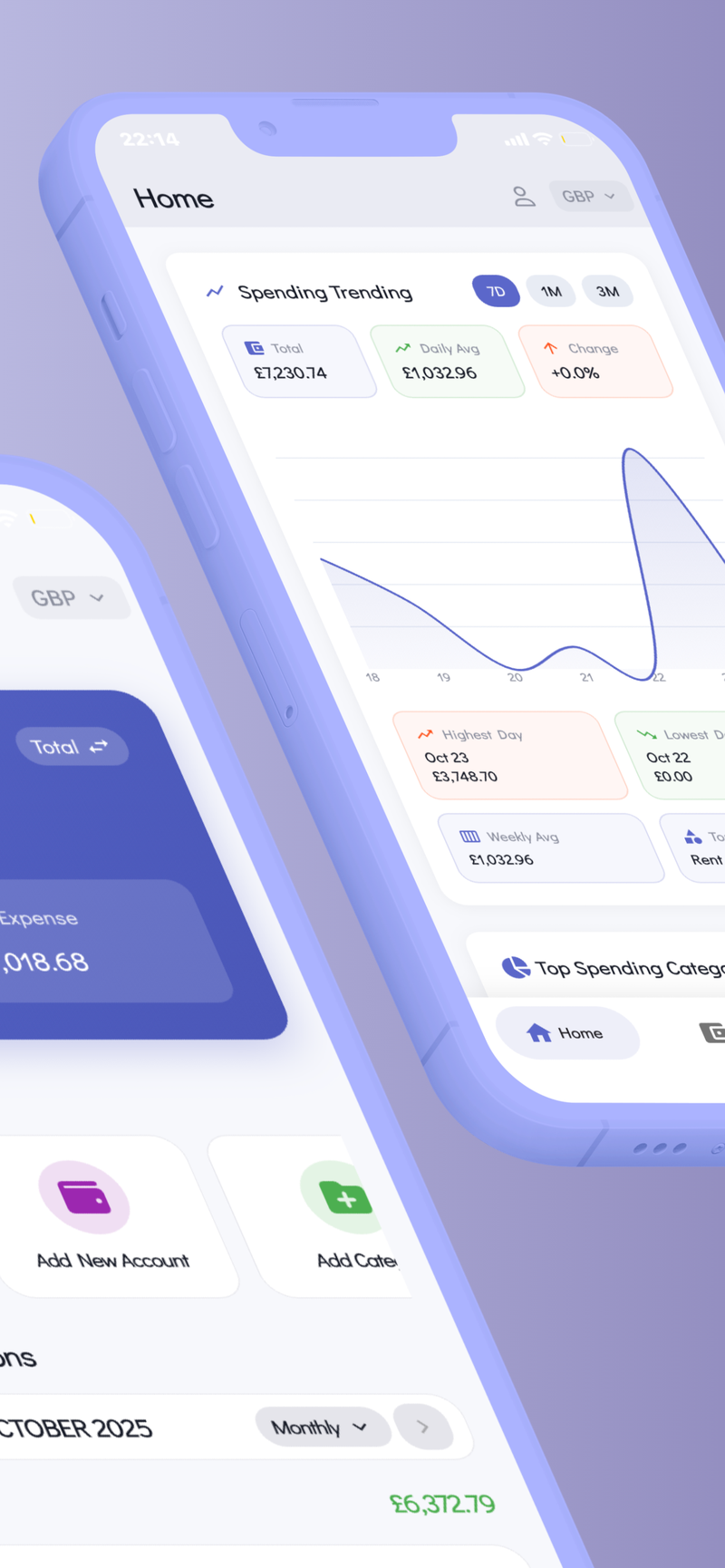
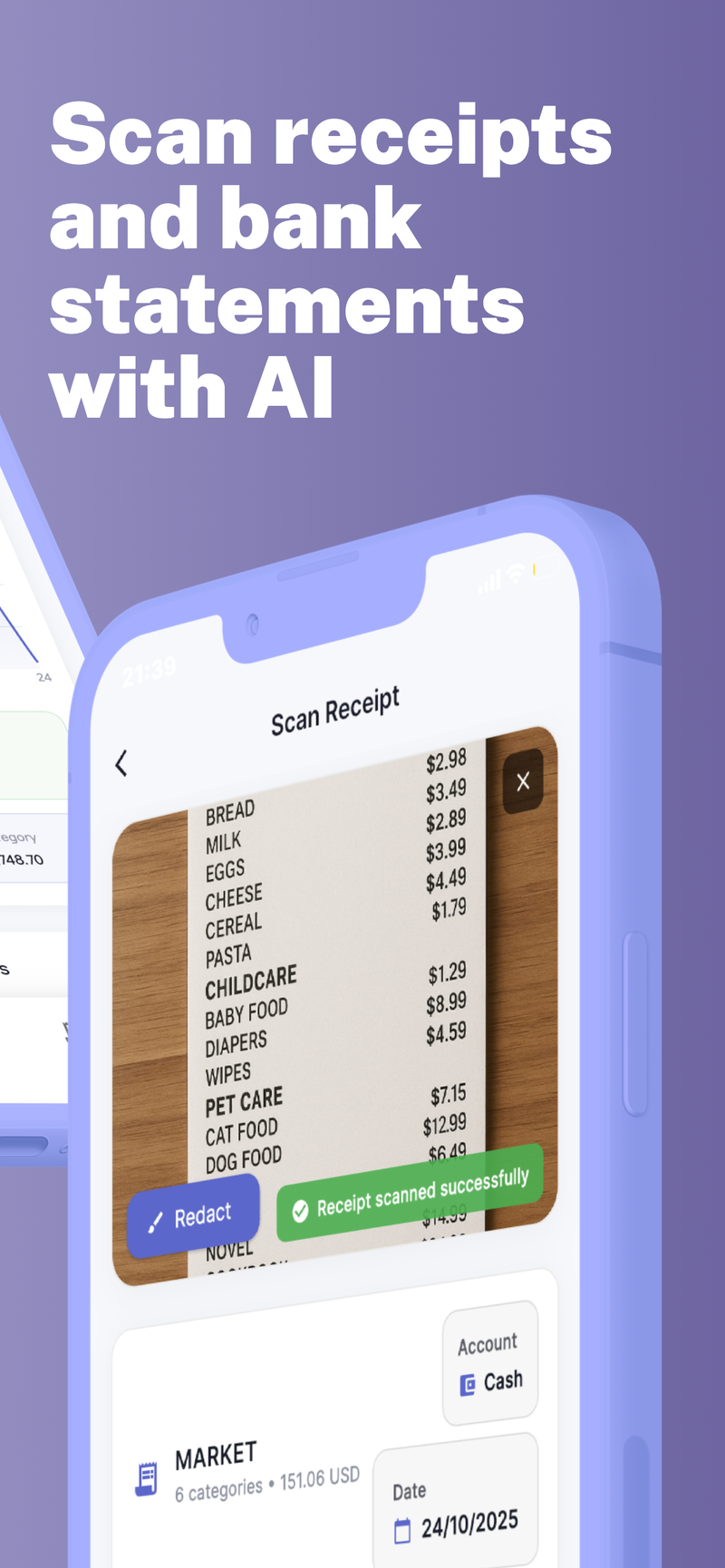
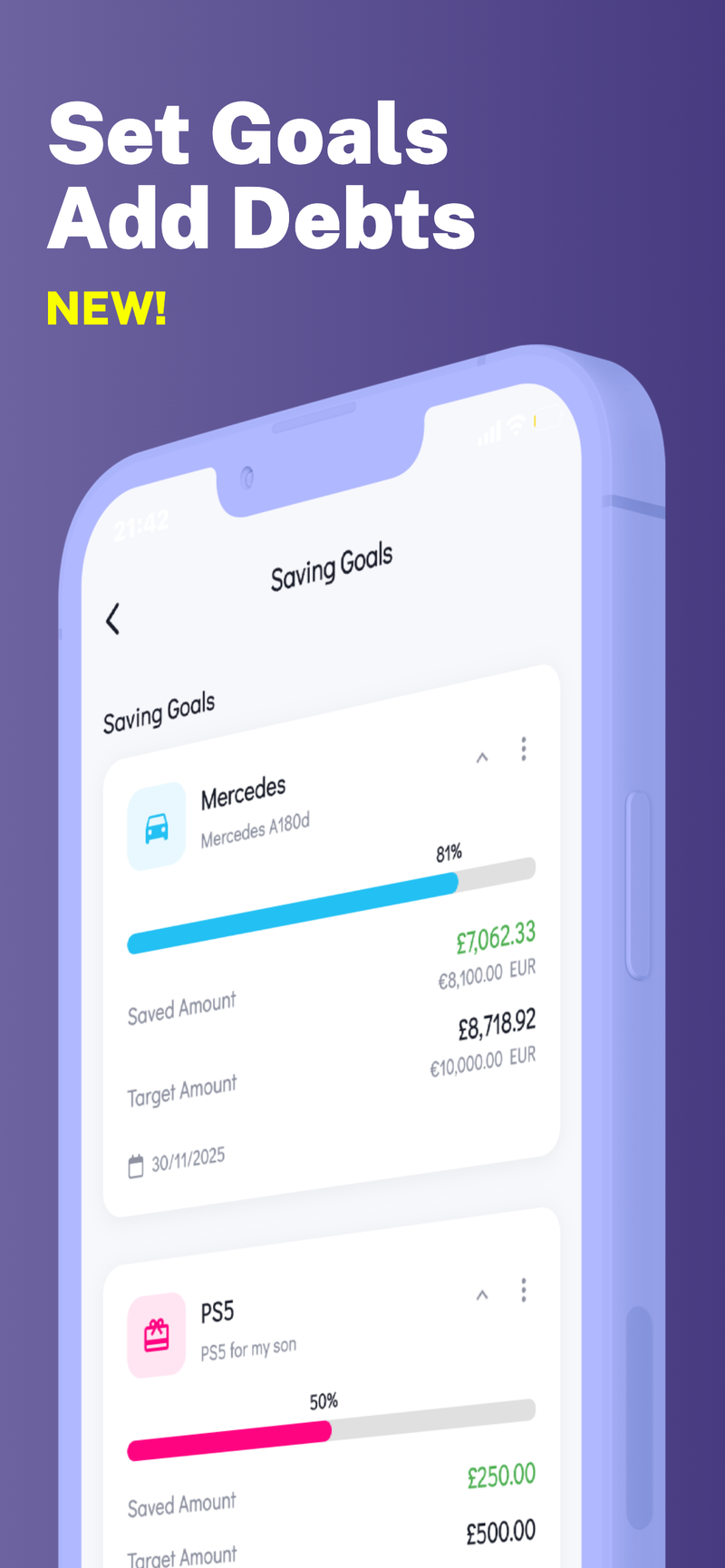
And if you want extra help staying organized as you adopt these habits, a budgeting tool that supports multiple household profiles can be incredibly useful. Fokus Budget offers Multi-Profile Support, letting you track grocery spending across up to five profiles in one secure, private app. It’s a practical way to keep your family budget on track while you apply these waste-reducing strategies.
Promoted feature: Multi-Profile Support


✨ Multi-Profile Support