Quit Smoking

Quit Smoking

Your journey to freedom

·Health

Sleep Better During Nicotine Withdrawal: A Practical Guide

Struggling with sleep while quitting nicotine is common, but you can rebuild healthy rest with a steady routine, a sleep-friendly environment, and craving-management strategies. This guide offers practical steps to sleep better during nicotine withdrawal and stay on track with your quit plan.

quit-smokingsleep-habitswellnessbehavior-changesleep

Introduction


Quitting smoking or vaping is a bold, life‑changing decision. Yet many quitters report nights spent tossing and turning, wakefulness that lasts longer than desired, and even vivid dreams associated with withdrawal. If you’re in this situation, you’re not alone. Research suggests that up to half of people who quit nicotine experience sleep problems in the first two to four weeks. The good news: sleep can improve as your body adjusts, and small, consistent steps can make a real difference.

Understanding the sleep-nicotine link


Nicotine is a stimulant that affects the brain's arousal systems. When you stop using nicotine, your nervous system goes through withdrawal, which can show up at night as restlessness, more awakenings, and stronger cravings. Some people also notice more vivid dreams as REM sleep pressure changes. These symptoms typically peak within a few days to weeks but tend to ease with time and deliberate sleep practices.

What to expect in the early quit period


  • More awakenings and lighter sleep in the first week or two

  • Intensified cravings around bedtime or during nocturnal awakenings

  • Occasional, vivid dreams as your sleep cycles rebalance

  • Progress over time: sleep quality often improves after the first 2–4 weeks if you support good habits
  • Build a sleep-friendly day


    A stable day supports a smoother night. Small changes add up.

    Prioritize daylight and movement


  • Get at least 15–30 minutes of natural light soon after waking to anchor your circadian rhythm.

  • Aim for regular physical activity most days (even a 20–30 minute walk) but avoid vigorous workouts close to bedtime.

  • If you work indoors, take short breaks to stretch and breathe; consistent activity reduces restlessness and daytime anxiety.
  • Manage caffeine and meals


  • Limit caffeine after mid‑afternoon. Nicotine withdrawal can heighten sensitivity to stimulants, so keeping caffeine earlier in the day helps.

  • Try to finish heavy meals 2–3 hours before bed. A light snack with protein or a small amount of carbohydrates can curb late-night cravings without overloading your gut.
  • Create a predictable wind‑down routine


    A consistent pre-sleep ritual signals your brain that it’s time to wind down.

    A practical 60–90 minute routine


  • Dim lights and lower room temperature gradually.

  • Take a warm shower or bath to promote relaxation and a slight drop in core body temperature afterward.

  • Practice breathing techniques (for example, 4-7-8 breathing) or a short body scan to release tension.

  • Journal or make a quick to-do list for tomorrow to quiet your mind.
  • Gentle activities that help with cravings


  • Read a light, non-stimulating book or listen to calm music.

  • Sip a small, non-caffeinated beverage or warm milk if that soothes you.

  • If a craving rises, try a quick 2-minute distracted activity (stretching, folding laundry, or a short walk) to break the mental loop.
  • Optimize your sleep environment


    A quiet, comfortable space makes a big difference when your body is adjusting to nicotine withdrawal.

    Key room settings


  • Temperature: keep it cool, around 60–67°F (15–19°C).

  • Darkness: use blackout curtains or an eye mask to minimize light exposure.

  • Noise: white noise, a fan, or earplugs can mask disruptive sounds.
  • Comfort keeps you asleep


  • Invest in a supportive mattress and pillows suited to your sleep posture.

  • Keep electronic screens out of reach or at least off for an hour before bed to limit blue light exposure.

  • If you wake at night, resist the urge to stay awake in bed. Sit quietly in dim light for a few minutes, then return when you feel sleepy.
  • Manage nighttime cravings without derailing sleep


    Cravings don’t have to ruin your night. Plan ahead and use simple strategies.
  • Hydrate with water or a warm, caffeine-free beverage.

  • Use a subtle, ritualized action (e.g., a slow stretch, a short walk, or a few minutes of deep breathing) to ride out cravings.

  • Put a small, healthy snack by your bed if you wake hungry but avoid heavy meals late at night.

  • Keep a list of “craving alternatives” handy: peppermint, gum (non‑nutritional), or a quick puzzle can shift attention away from nicotine.
  • When to seek extra help


    If sleep problems persist beyond four weeks, or you notice daytime impairment (fatigue, poor concentration, mood changes), consult a healthcare professional. They can help rule out other sleep disorders and discuss tailored strategies, including cessation aids or sleep-specific guidance.

    Quick-start tips you can begin tonight


  • Set a consistent bed and wake time—even on weekends.

  • Limit screen time and bright lights in the hour before bed.

  • Create a short wind-down routine and stick to it for at least a week to build a new habit.

  • Keep your bedroom cool, dark, and quiet.

  • Plan ahead for cravings with a calm routine rather than reaching for nicotine at night.
  • Conclusion


    Improving sleep while you quit nicotine is a realistic, reachable goal, and small daily choices can yield big benefits over time. By aligning your daytime habits, wind‑down routine, and sleep environment, you give your brain a clearer path to rest and recovery.

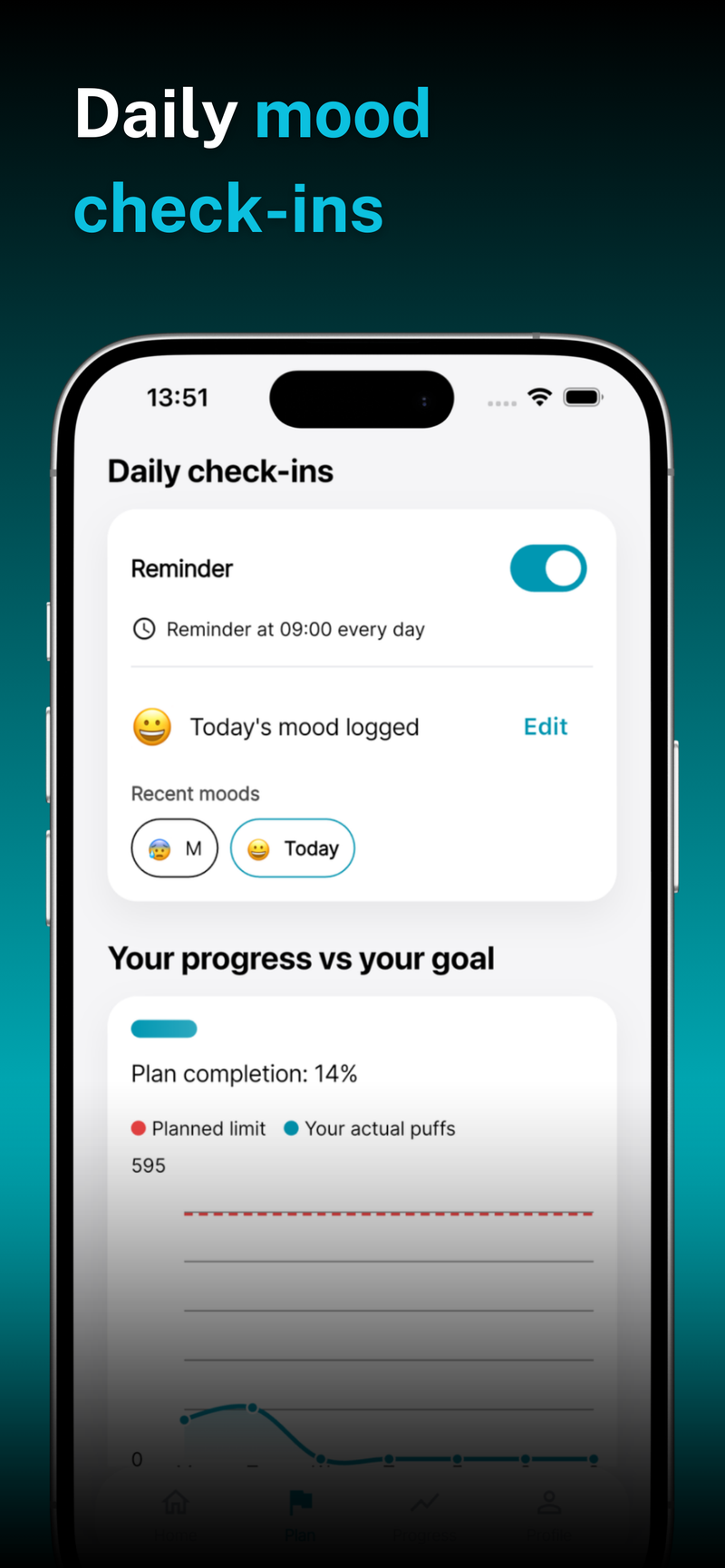
    If you’re looking for a guided, structured approach to quitting that also supports you with sleep-friendly planning, consider tools designed to help with onboarding and personal setup. A well‑designed program can help you choose your product type, set your main goal, select a target timeline, and map out a plan that fits your life—supporting both your quit journey and your sleep goals. Focus Puff’s Quit Smoking & Vaping includes these user-facing features to tailor your plan, making the process smoother and more personalized as you work toward better rest and a healthier routine.

    Quit Smoking icon

    Quit Smoking

    Your journey to freedom

    Free • In-App Purchases
    GET
    Dashboard
    Progress
    Health
    Savings
    Motivation
    Stats
    Daily MotivationProgress TrackingHealth MilestonesMoney Saved

    💪 Onboarding & Personal Setup

    Related Articles

    Quit Smoking

    Your journey to freedom